









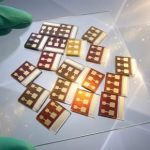


CD47 molecule that tells the immune system not to attack
pleiotrope
Stem cells that do not provoke a destructive immune response have been developed and used to make pancreatic cells to treat mice with type 1 diabetes.
As a result, we are one step closer to treating a wide variety of medical conditions with ‘off-the-shelf’ tissues and organs, rather than creating them from scratch for each individual.
“Our vision is to make cells available to anyone, anywhere, anytime,” said Sonja Schrepfer of Sana Biotechnology in San Francisco, California.
Harnessing the regenerative power of stem cells has long been a medical goal. Stem cells are embryonic-like cells that can be induced to proliferate and develop into various tissues. It is hoped that they will be implanted in people to treat many conditions, including heart attacks and strokes.
However, cells taken from one person and transplanted into another are usually killed by the immune system.
Therefore, most of the stem cell therapies in development either require that people take immunosuppressive drugs or create stem cells from cells taken from the treated person. It’s expensive, can take weeks to develop, and becomes a problem if someone needs urgent medical attention.
To circumvent these problems, Schlepfer’s team developed a technique that genetically alters cells to make them invisible to the immune system.
This method removes two genes that encode surface molecules necessary for the immune system to recognize a cell as “foreign”. A gene is also added so that the cell makes a molecule called CD47. CD47 normally tells the immune system not to attack.
The research team first tested a ‘pluripotent’ version of the cells. This means it can turn into multiple different tissues and organs, created from rhesus monkey cells and inserted into the leg muscles of her four other rhesus monkeys.
The cells survived without signs of immune attack for up to 4 months, at which point the monkeys were euthanized. it was done.
Stem cells were then tested as a treatment for type 1 diabetes, which is caused by the loss of pancreatic cells that make the hormone insulin. It has been shown to reduce the symptoms of diabetes.
Sana Biotechnology has previously shown that these genetically modified stem cells can turn into heart muscle cells and a type of immune cell called CAR-T cells that can be used to treat cancer.
But stem cells that are not invisible to the immune system have some advantages over invisible stem cells, says John Martin of University College London. For example, so-called mesenchymal stem cells are recognized by the immune system and appear to interact with the immune system to facilitate the release of healing compounds.
And if transplanted stem cells happen to become cancerous, immune cells need to “see” them to kill them, says Susan Kimber of the University of Manchester, UK. Still, the results are an important step toward commercializing stem cell therapies, she says.
topic:
