











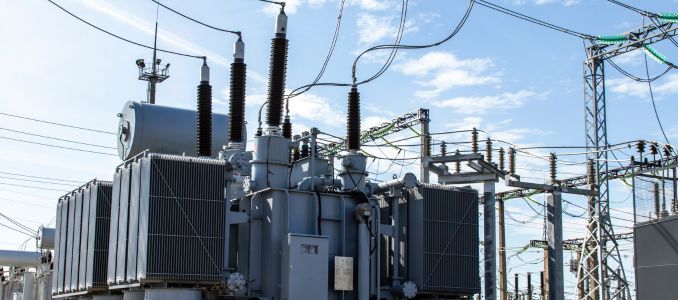
Reducing the Environmental Risks of Power Transformers Through Modern Technology
Advances in transformer design, monitoring and materials are helping utilities reduce oil leaks, minimize environmental impact and improve the sustainability of power distribution systems.
Transformers maintain power systems’ stability and ensure reliable electricity distribution. However, they can come with significant environmental risks, especially when wear and tear cause insulation fluids to leak out and into the surroundings. Advances in technology can help mitigate environmental damage, leading to a cleaner future.
The Environmental Impact of Transformers
Despite their importance, poorly maintained or outdated transformers can harm soil and water quality, as well as pose a risk to human safety.
Insulating Oil Leaks
Most transformers in service today rely on mineral oil for insulation and cooling. When seals or tank components deteriorate, this oil can leak into the soil or water systems. Long-term issues also create vapor emissions that affect air quality. These leaks can accumulate over time, creating contamination that requires specialized cleanup.
For example, a transformer station in Norway recentlyexperienced a major leak, resulting in tons of oil seeping into the ground and contaminating the nearby Sandvikselva River. This presents a significant threat to the surrounding environment and wildlife.
Material Waste
Transformers generate significant material waste, particularly toward the end of their lifespan. Steel, copper and old oil all require proper handling and disposal. Older units may also contain materials that no longer meet today’s safety or environmental standards. Without adequate processing, decommissioned transformers can contribute to landfill waste and pollution.
Energy Inefficiency and Power Loss
Transformers still consume energy and will incur some power loss throughout their lifespan, which raises the demand for energy production. Increased power generation, particularly in grids reliant on fossil fuels, results in higher greenhouse gas emissions.
Traditional Leak Prevention and Safety Precautions
Before recent technological improvements, environmental safety primarily depended on manual maintenance and physical containment. These methods are still widely used and effective to an extent, but they have their limitations.
Secondary Containment Systems
Oil containment methods like geomembrane liners or barrier booms have traditionally been used to prevent leaked transformer oil from seeping into the soil or bodies of water. They work by intercepting the fluid before it spreads.
However, containment structures must be engineered to hold the full volume of oil, especially in worst-case scenarios. These systems will also require appropriate maintenance, high-quality materials and construction to ensure adequate leak management.
Regular Inspection and Maintenance
Routine inspections are crucial for maintaining the integrity of any piece of equipment. Inspectors can identify early signs of deterioration, such as worn gaskets or corroded panels. Maintenance teams often rely on visual checks, thermal imaging cameras, insulation resistance testers and oil test kits.
Consistency is crucial. Many utilities operate numerous transformers simultaneously, making it challenging and essential to inspect each unit regularly to prevent minor leaks from escalating.
Innovations in Transformer Technology
Environmental and industry standards are changing, with a deeper emphasis on sustainability. Low-carbon sources provided40% of the world’s electricity needs in 2024, and recent advancements are also reducing the environmental impact of transformers more effectively by combining engineering improvements with advanced monitoring tools.
Dry-Type Transformers
As the name suggests, dry-type transformerseliminate liquid insulating oil from their system. Instead, it uses air or a combination of air and gas. The transformer lives inside a ventilated case where the insulating air and gas circulate to cool its coils.
This design eliminates the likelihood of oil leaks. The internal components are sealed within resin or other forms of insulation, reducing the possibility of other harmful seepage.
The absence of oil also means these transformers face fewer fire hazards, making them suitable for indoor areas, industrial plants, commercial facilities and other locations that use small or medium-voltage equipment and spill containment can be challenging to build. Dry-type transformers are becoming a popular choice for operators seeking to meet environmental goals while maintaining optimal performance levels.
Eco-Friendly Insulating Fluids
For systems that still require liquid insulation, ongoing research has focused on developing fluids that biodegrade faster and pose less harm to ecosystems. Some providers now use natural and synthetic oils and esters as alternatives to mineral oil.
Many of these alternatives can perform just as well, even in humid environments, and are fire-safe, making them safer for nearly all transformer applications. One promising example is coconut oil,which is fire-safe and non-toxic to both the environment and humans. It is also an effective insulator and has the necessary characteristics to functionally replace mineral oil.
These fluids extend the life of the equipment by reducing the thermal stress on transformer components. Their biodegradability significantly reduces the complexity of cleanup in the event of a leak.
High-Efficiency Core Materials
Transformer performance depends on the materials used in its core. Energy losses in transformers occur when magnetic fields inside the core create excess heat.
Modern transformers, made from amorphous metal cores, drastically reduce these losses thanks to their unique structure and permeability. Nanocrystalline materials are another popular option, producing the same effect as lower core losses compared to traditional components, such as silicon steel.
These core materials help minimize electricity waste across the grid and reduce emissions associated with power generation.
Smart Monitoring and Maintenance
Smart monitoring systems collect real-time data and automatically alert operators when conditions deviate from the usual operating parameters. They often use a combination of AI,machine learning and IoT to regularly evaluate transformer fleets and provide the necessary maintenance or repairs.
Modern systems can track oil temperature, loosened connections, moisture ingress, load shifts and more. Machine learning models can use this data to identify early signs of deterioration, such as gasket wear or minor leaks. Catching these issues early allows utilities to extend equipment life and prevent environmental contamination.
Safe Decommissioning and Disposal of Old Transformers
Safe retirement and disposal practices prevent environmental hazards and promote the recovery of sustainable materials. Decommissioning typically involves draining the insulating fluid, removing reusable components, and recycling metals like steel and copper.
Modern recycling processes aim to extract as much material as possible while following environmental regulations. Oil reclamation is another growing, important practice — approximately40% of water contamination worldwide comes from waste oil. Instead of disposing of these fluids, facilities can filter and restore them for future use, reducing waste and minimizing pollution.
Toward Safer and Cleaner Transformer Systems
Transformers are essential to modern utility systems, but they need proper management to prevent oil leaks and protect the soil and water. Traditional containment and inspection methods remain important, but advancements such as dry-type designs and eco-friendly insulation help reduce environmental risk while enhancing the reliability and sustainability of these systems.
About the Author
Jane Marsh is an environmental writer. You can keep up with her work on her site Environment.co.
