











Perhaps when Roy Tomrison messaged himself in 1971, he didn’t think he was kicking off. one of the greatest revolutions of mankindText, a simple salad of random letters, was the first ever email. Who knows if Satoshi Nakamoto’s 2008 document on bitcoin and blockchain technology will be rated the same in a few years. Everything points to the fact that blockchain will have a huge impact on our lives. smart city.
And it’s no small thing. According to a Businesswire report, the smart city market is 2 trillion dollars 24% annual growth by 2024. These figures include the digitization of the energy sector, health, and security.
In this article
What is a smart city?
First, let’s clarify some basic concepts.Smart city fusion New technologies for digitization and sustainability This includes distributed systems, IoT-based sensor networks, application of big data and artificial intelligence to city management, and interconnection of all elements.
This ranges from electricity meters and solar panels to self-driving cars. shared vehicletraffic lights, or smart homes are all connected via high-speed wireless internet such as 5G networks. So what are the specific technologies that define a smart city? A concrete example of:
- environmental pollution sensor
- carbon positive green building
- smart street lights
- Real-time traffic control
- Wi-Fi that can be used in the city
- Water quality monitoring
- Garbage bin with capacity sensor
- smart parking
But does such a city already exist? Smart cities are a process rather than a concrete reality, but there are examples of cities moving in that direction. For example, the Danish capital Copenhagen aims to be carbon positive by 2025.
This goal will be achieved by harnessing smart grids powered by renewable energy and using big data to improve the efficiency of public buildings. 25% reduction in water and energy consumptionThe city has also equipped the sewage system and waste containers with sensors, and the buses are equipped with GPS tracking systems.

Now that the general concept of smart cities is clear, let’s see what blockchain has to do with all this.
Common Language: The Key to Blockchain in Smart Cities
As we have seen, smart cities must be able to connect millions of devices to live up to their name.Therefore Internet of Things (IoT) be one of the pillars. But you need more than just interconnections. Devices such as electricity meters, self-driving cars, and charging stations must be verifiable within the system, have secure protocols in place, and be compatible across networks.
The World Economic Forum recently published a report on the application of blockchain to supply chains applied to smart city management. He pointed out issues such as compatibility between smart contracts and consensus mechanisms and standardization of data. Blockchain has a lot to say.
But what will be the applications of blockchain in smart cities? These are three basic examples.
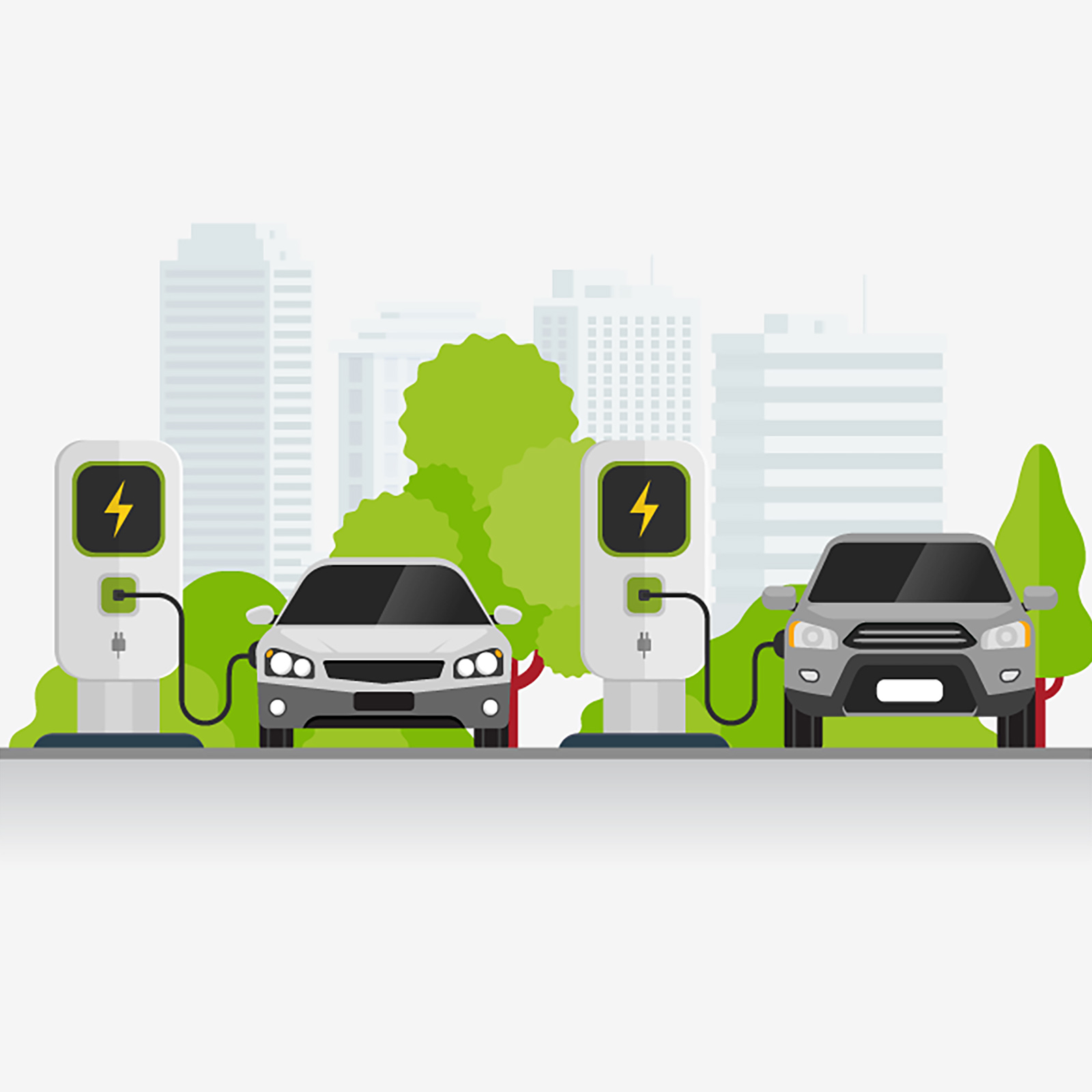
Blockchain Applied to Mobility: A Day in the Electric Vehicle
Think about shared electric cars that run around town. On the one hand, you may need to recharge your batteries at a charging station. It may move in places with a lot of traffic. Later, you may also need a parking space.
All these interactions are Record via blockchain, from payments at charging stations to occupancy rates of parking spaces and current locations during traffic congestion predictions. All of this then helps generate a “passport” for the vehicle, allowing the insurance company to know the condition and repair history of the vehicle.
Applying Blockchain to Energy: Towards a Smart Grid
In smart and sustainable cities, buildings are consume and produce energy Thanks to solar-powered glass and other renewable energy sources. In addition to that, there is the electrification of mobility, which I mentioned in the previous case. For example, cars can power homes when energy costs are high and charge at more favorable tariffs.
Managing this entire smart grid requires a basic blockchain ally. It will also allow us to ensure the traceability of energy and its renewable origins, as the GREENCHAIN platform already does.
Blockchain Applied to Waste Management: The Heart of Sustainable Cities
Waste management is one of the key indicators of urban sustainability. In addition to smart containers, there are numerous blockchain-based projects in this space. One example is the Plastic Bank, which provides cryptocurrency compensation for the collection of plastic waste in coastal areas. It’s like pay-per-glass, but on the blockchain.
Countries such as India are also applying blockchain to apps to report areas where trash is accumulated. Blockchain authenticates each phase of the process, from reports with geotagged photos of where incidents occurred to confirmed resolutions.
If you want to understand the potential of blockchain in smart cities, I recommend the United Nations report “Blockchain for Smart Sustainable City”. In addition to technical considerations, consider blockchain initiatives such as those implemented in Amsterdam and Moscow.
sauce:
ResearchGate, NASDAQ, https://www.bloomberg.com/news/articles/2021-03-18/even-garbage-is-using-blockchain-now
