




A Data-Driven Guide to Solar Energy Systems in Nigeria
In Nigeria, the daily struggle for reliable electricity has led many households and businesses to seek alternatives to the national grid and fuel-powered generators. Solar energy is emerging as one of the most practical, clean, and sustainable solutions. However, its adoption is slower than anticipated, mainly due to persistent myths fueled by misinformation, casual conversations, substandard open-market products, those inexperienced in the field and past negative experiences.
Geographically, Nigeria is well-suited for solar energy, receiving an average solar irradiation of approximately 4.5 to 6.5 kWh/m² per day, depending on the location and season. This positions the country among the most viable regions for solar energy worldwide. Nevertheless, myths continue to influence decisions more than facts.
At Kowatek Solar LTD, we believe that an informed customer makes the best energy choices. Education is central to our mission. Below, we address the most common solar myths in Nigeria, utilizing engineering principles, real-world performance data, field experiences and proven system design practices.
Nigeria’s Solar Reality: An Overview of the Data
Solar performance is influenced primarily by the amount of available daylight rather than extreme heat. Throughout Nigeria, even during the peak rainy months (typically July and August), solar irradiance levels remain significantly above the minimum threshold needed for effective photovoltaic (PV) power generation.
Key Insight:
While seasonal variations may slightly affect solar output, they do not prevent solar generation. With adequate battery storage, energy availability can remain stable throughout the year.

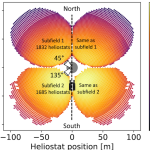
This chart illustrates the consistent solar potential across the year, underscoring the reliability of solar energy in Nigeria’s climate.
Myth 1: Solar Doesn’t Work During the Rainy Season or When It’s Cloudy
Fact: Solar systems operate efficiently year-round because they depend on daylight, not just direct sunlight.
A common misconception is that solar panels cease to function or charging batteries when clouds appear. In reality, photovoltaic (PV) panels generate electricity from daylight. While their output is highest on clear days, they still produce significant power under cloudy or rainy conditions. Modern systems can also store excess energy in batteries during sunny periods for use at night or during times of low sunlight.
The Kowatek Difference:
We install high-quality solar panels and battery systems designed specifically for Nigeria’s climate. Our systems account for seasonal variation, ensuring reliable power availability throughout the year.
Myth 2: Solar Damages Appliances
Fact: A properly installed solar system delivers stable, clean power, protecting appliances.
Reports of solar systems “damaging” electronics are almost always linked to:
- Modified or fake sine wave inverters
- Poor system grounding
- Incorrect system sizing
- Many low-cost, open-market systems utilize unstable power electronics that cause voltage distortion.
The Kowatek Difference:
Kowatek Solar LTD uses only pure or full sine wave inverters, which produce electricity comparable to high-quality grid power. This ensures the safety of sensitive appliances like televisions, modern washing machines, modern microwaves, refrigerators, computers, medical devices, and industrial equipment.
Myth 3: Solar Is Only for the Rich
Fact: Solar energy is modular, scalable, and cost-effective over time.
Solar is no longer a luxury product. Systems can be tailored to meet various budgets and energy needs, ranging from small apartments to large commercial facilities. When evaluated over time, solar is often far cheaper than generators and more reliable than grid power.
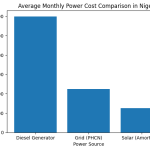
Typical Monthly Power Cost Comparison in Nigeria (Indicative):
- Diesel Generator: High and volatile (fuel + servicing)
- Grid Power (PHCN): Lower upfront cost but unreliable
- Solar (Amortized): Lowest long-term cost
Bar Chart Comparing Average Monthly Power Costs

The Kowatek Difference:
We offer customized, scalable systems. Customers can start with what they can afford today and expand their systems as their energy needs or budgets grow.
Myth 4: Solar Batteries Die Quickly and Are Expensive to Replace
Fact: Quality batteries can last many years when properly sized and managed. Battery failure is often caused by:
- Undersized battery banks
- Excessive daily loads beyond design limits
- Poor charge/discharge control
Modern lithium and high-quality deep-cycle (though very rare) batteries are designed for long service life when used correctly.
The Kowatek Difference: We engineer complete systems rather than just selling components. By correctly sizing battery banks based on real usage patterns, we prevent over-stressing, extend battery lifespan, and protect our customers’ investments.
Myth 5: Solar Panels Require Too Much Maintenance
Fact: Solar systems are among the lowest-maintenance power solutions available. Solar panels have no moving parts and do not require oil changes, fuel refills, or constant repairs. In most Nigerian environments, maintenance is limited to:
- Occasional cleaning to remove dust
- Routine system health checks
Properly installed panels can typically last 20-25 years or more.
The Kowatek Difference: Our professional installations are designed for durability and simplicity, providing a true “set-and-forget” experience backed by structured after-sales support and many of years of warranty.
Myth 6: Solar Cannot Power Heavy Appliances
Fact: Solar can effectively power heavy loads when systems are properly designed. Air conditioners, water pumps, freezers, cold rooms, and industrial equipment can all operate on solar power. The challenge lies not with the solar technology but with poor system design and probably fake equipment.
The Kowatek Difference: We conduct detailed energy audits and load analyses before installation, ensuring that inverters, batteries, and panels are properly sized to handle both light and heavy loads without compromise.
Myth 7: Solar Is Not Reliable Compared to Generators
Fact: Well-designed solar systems are often more reliable than generators. Generators depend on fuel supply, mechanical components, and frequent servicing, while solar systems rely on predictable daylight patterns and solid-state electronics, making them quieter, cleaner, and more consistent.
The Kowatek Difference: By combining high-quality panels, batteries, and intelligent power management, we provide stable, uninterrupted power with minimal downtime and no dependency on fuel.
Myth 8: Solar Installation Takes Too Long
Fact: Most solar installations are completed within days. For residential and small commercial projects, installation typically takes one to three days, depending on system size and site conditions. Once installed, power is immediately available.
The Kowatek Difference: We adhere to professional project timelines and safety standards to deliver fast, efficient installations without cutting corners.
Making an Informed Energy Choice
Solar energy is a mature and proven technology that is well-suited to Nigeria’s climate and economic conditions. When we replace myths with facts, solar energy emerges as a clear solution to unreliable grid power and increasing fuel costs.
At Kowatek Solar LTD, education is a key part of our mission. We provide accurate information, high-quality equipment, and proper system engineering to help our customers make informed and future-proof energy decisions.
If you are ready for a solar solution that operates effectively year-round, protects your appliances, and reduces long-term energy costs, Kowatek Solar LTD is here to power your future-with facts, not myths.
