











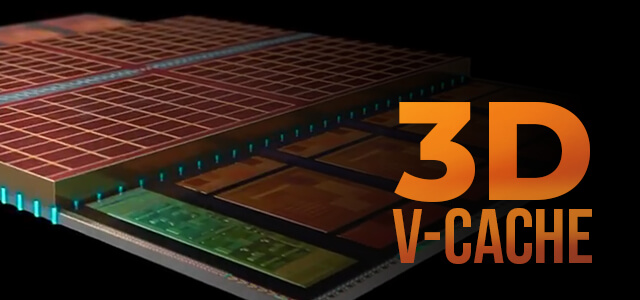
With the release of Intel Alder Lake processors including the i9-12900KS and AMD Ryzen 5800X3D with 3D V-Cache, now is the perfect time for PC gamers and content creators looking to upgrade. But one of the 5800X3D’s key selling points is its new caching technology, so it’s important to understand exactly what AMD 3D V-Cache is and how it affects system performance. is.
What is processor cache
Processor cache is a bank of super-fast storage on the CPU. It basically acts as a bridge between system RAM (aka DRAM) and the processor, acting as system RAM if space permits, and reducing the time it takes to access that system RAM otherwise. . I won’t go into the intricate science of how this works, but CPU caches can significantly reduce memory latency, effectively speeding up recalculations or general calculations and overall system performance. It’s important to know what to do. Often ignored as a CPU specification in favor of core count and frequency, it is a very important factor in determining overall CPU speed.
There are three levels of processor cache: 1, 2, and 3 (also known as L1, L2, and L3). L1 is the fastest but has the lowest capacity, and L3 is the slowest but has the highest capacity.
What is AMD 3D V-Cache
3D V-Cache may be the biggest innovation to CPU caching in the last decade. By stacking the caches vertically and reducing the width of the CPU die, AMD was able to put about 3x the total L3 cache on the new CPUs. For example, the Ryzen 7 5800X3D’s L3 is 96MB, AMD’s own Ryzen 5800X is 32MB, and the Intel Core i7-12700k is 25MB.
And AMD didn’t just relegate this new technology to consumer chips. Server and data center solutions such as select 3rd Gen Epyc models like the Epyc 7773X and 7573X also use 3D V-Cache and use a total of 768MB of L3.
Performance impact
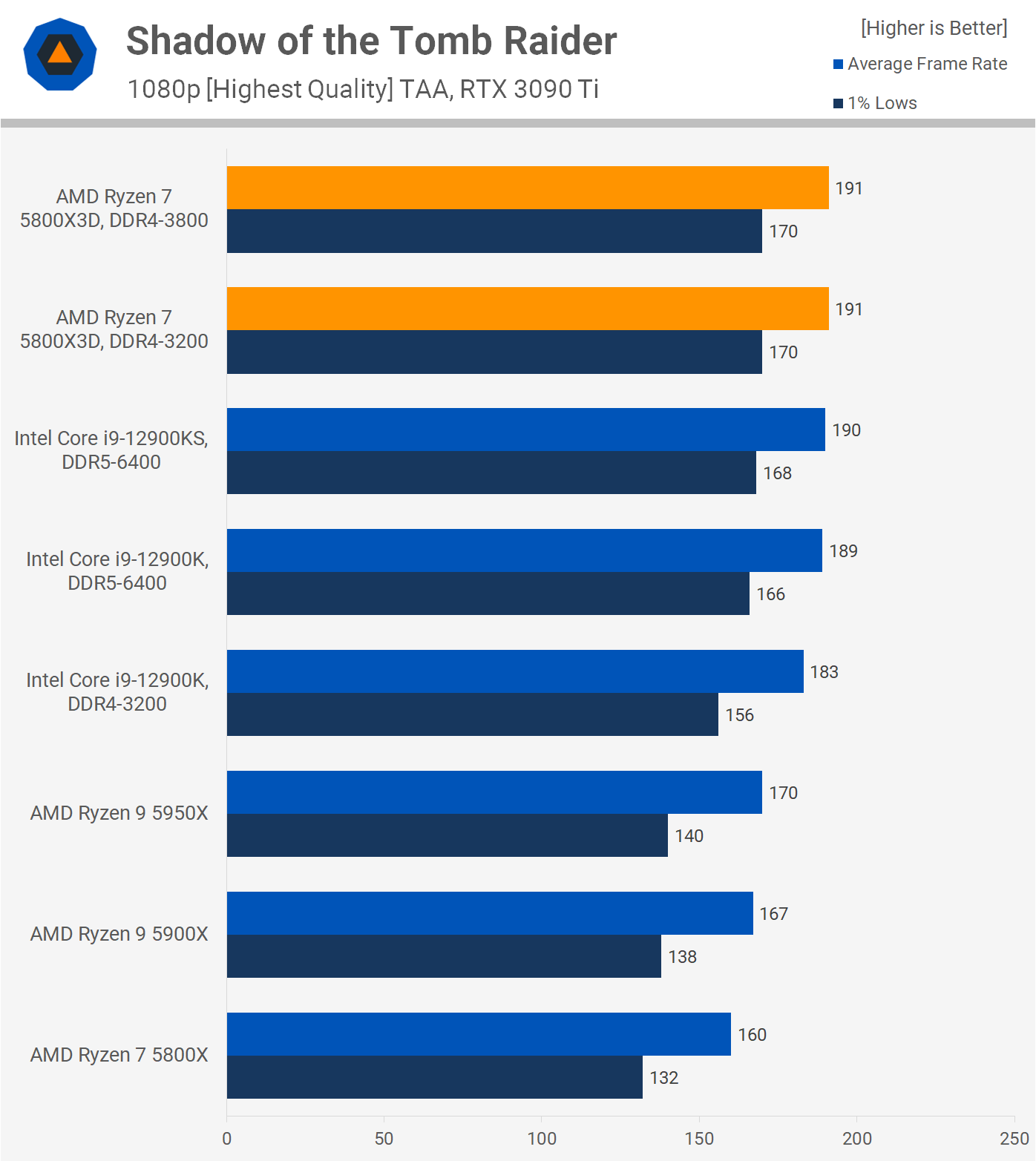
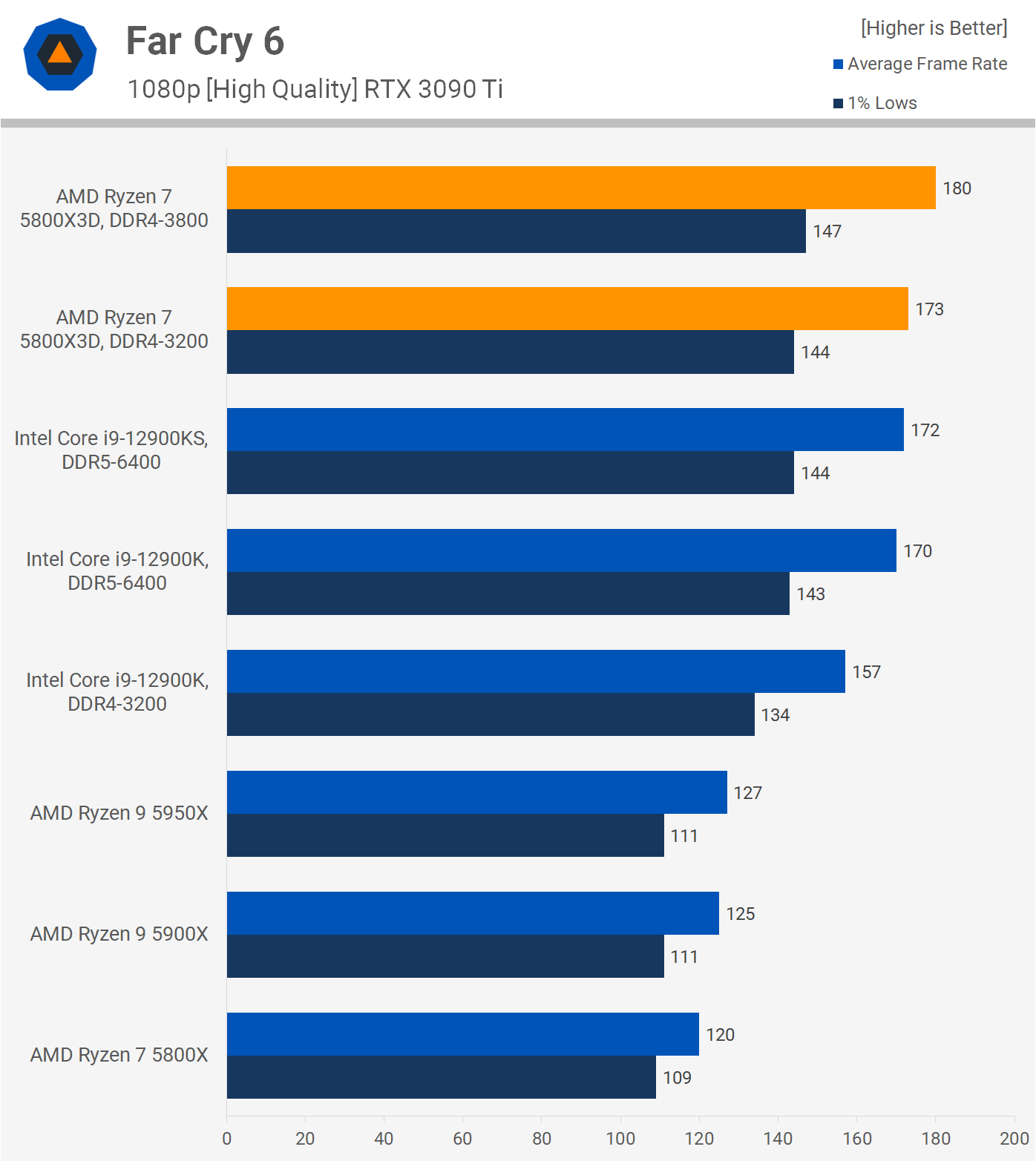
Generally speaking, more caches improve performance, especially for applications that consistently and repeatedly fetch data from the CPU. This is especially true for games. Games are basically (on PC) a bunch of random calculations and recalibrations, so they’re constantly using the CPU to run these processes. A much faster response can be retrieved from the cache than waiting in system RAM, resulting in significant performance gains. This is why AMD touts his Ryzen 7 5800X3D as “the world’s fastest gaming desktop processor”. See some of the benchmarks below that back up that claim. Based on these numbers, the 5800X3D should be a serious consideration for gamers in the new PC market.
Interested in a gaming PC with 3D V-Cache? Check out the Ryzen 7 5800X3D on the Raptor Z55.

Josh has been with Velocity Micro since 2007, holding various marketing, PR, and sales-related roles. As Director of Sales & Marketing, he is responsible for all direct and retail sales as well as marketing activities. He enjoys reruns of Seinfeld, Atlanta He Braves, John, Paul, or Beatles songs written by George. I’m sorry, apple.
