











For example, the Tesla Powerwall 2 has been one of the most popular batteries in Australia and North America for years, thanks to its large 13.5 kWh capacity and good track record. However, it is a fixed-size unit, meaning you can’t start small and add capacity later, and its cost per kWh is still relatively high compared to newer modular systems. The new Powerwall 3 improves on efficiency and integration, but it’s still a large capacity solution.
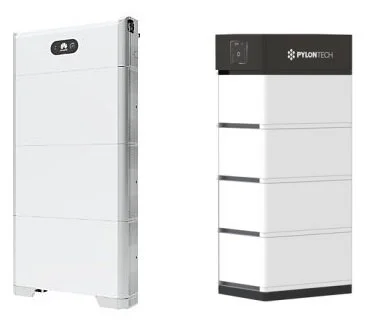
On the other hand, newer modular systems like the BYD Premium HVM, Sungrow SBR series, and the Sigenergy Sigenstor allow you to start with a smaller setup (around 8–10 kWh) and expand over time if your energy needs grow. The smaller 5 to 8kWh modules also provide much greater sizing flexibility, which is a major advantage for families who are unsure about their electricity demand or want to spread the investment over several years.
Key factors to consider when choosing the best home battery include:
-
Daily energy use (kWh) and how much of it occurs in the evening peak period.
-
Solar system size and how much surplus solar you generate
-
Backup power needs and whether you want whole-home backup or just critical (essential) circuits
-
Modularity and expansion options – do you want to start small or go big from day one?
-
Budget and payback time based on electricity rates and avoided grid costs
In short, the “best” battery isn’t always the most powerful or the most popular—it’s the one that balances your household needs, solar system, and financial goals.
If you’d prefer to skip straight to product recommendations, check out my in-depth reviews here: Best Home Solar Batteries 2025 and Best off-grid solar systems.
Example: Choosing the Right Battery
Let’s take a typical family home with a 6 kWh evening electricity load (mainly cooking, lighting, and entertainment) and an 8 kW solar system that regularly generates surplus power during the day.
-
Option 1: Tesla Powerwall 3
With a fixed capacity of 13.5 kWh, the Powerwall can easily cover the family’s 6 kWh evening use and still leave energy for overnight loads like fridges and standby appliances. The downside is the higher upfront cost, around $14,000–$18,000 installed (excluding rebates), and the lack of modularity (you can’t start smaller or expand in smaller steps). -
Option 2: Sigenergy Sigenstor
This system is modular in 5 or 8 kWh blocks, so the family could start with an 8 kWh setup for a lower upfront cost (roughly $8,000–$10,000 installed), and add another 5 or 8 kWh later if their energy needs grow. It also integrates backup and EV-charging features, which may be attractive if they plan to buy an electric car in the next few years.
In this example, both systems technically meet the family’s energy needs. The Powerwall 3 is a simple, powerful one-box solution with a proven track record, while the Sigenstor offers more flexibility and lower upfront cost. The best choice ultimately depends on whether the family values simplicity and brand reputation (Powerwall) or modularity and long-term expandability (Sigenergy).
