











devise a simple method purified water While this can be a matter of life and death in developing countries, it is becoming a critical need even in developed countries where water resources are becoming increasingly polluted. A previous article described the technology used for that purpose. In addition to conventional desalination plants, artificial photosynthesis, A harp that draws water out of thin air or new hydrophilic materials that perform this task. However, it is not so common to come across a technique as simple and efficient as that developed by his Dr. Donglei Fan at the University of Texas (USA).
Basically, it’s a 3D-printed polyurethane sponge covered with a layer of synthetic carbon disulfide molybdenum microbeads, a compound that strongly adsorbs heavy metals, a feature not found in this type of device. . High rate steaming of 88% is realized by using sunlight. energy efficiencyFan also emphasizes that besides removing heavy metals, sponges can also be used to treat hard and alkaline water.
and clean paper
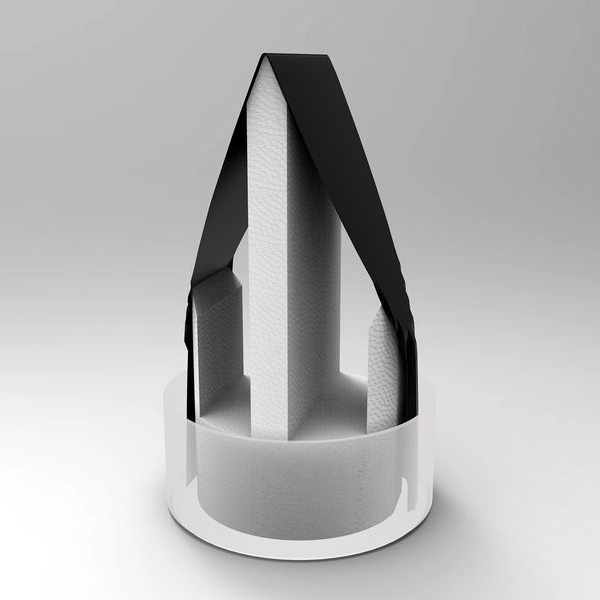
The sponge of Torai Sensu is simple and easy to make. Clean water liquid The one developed by researchers at the University of Buffalo is also pretty straightforward. In this case, they created a triangular structure composed of highly adsorptive sheets of carbon-soaked paper. The material attracts heat and steams water that soaks the base of the paper. The team stresses that their technology allows him to evaporate up to 2.2 liters of water per hour and he can evaporate a square meter of paper.
One reason for its efficiency is the shape of the birdcage, which allows the sun’s rays to strike at an angle, preventing overheating of the material. Therefore, by staying below room temperature, it can continue to absorb heat and compensate for the energy lost through evaporation.
This device can remove almost all bacteria and viruses, as well as arsenic compounds. However, pesticides are ineffective. Researchers are planning his 2019 launch, with the device retailing for $200.
solar stills
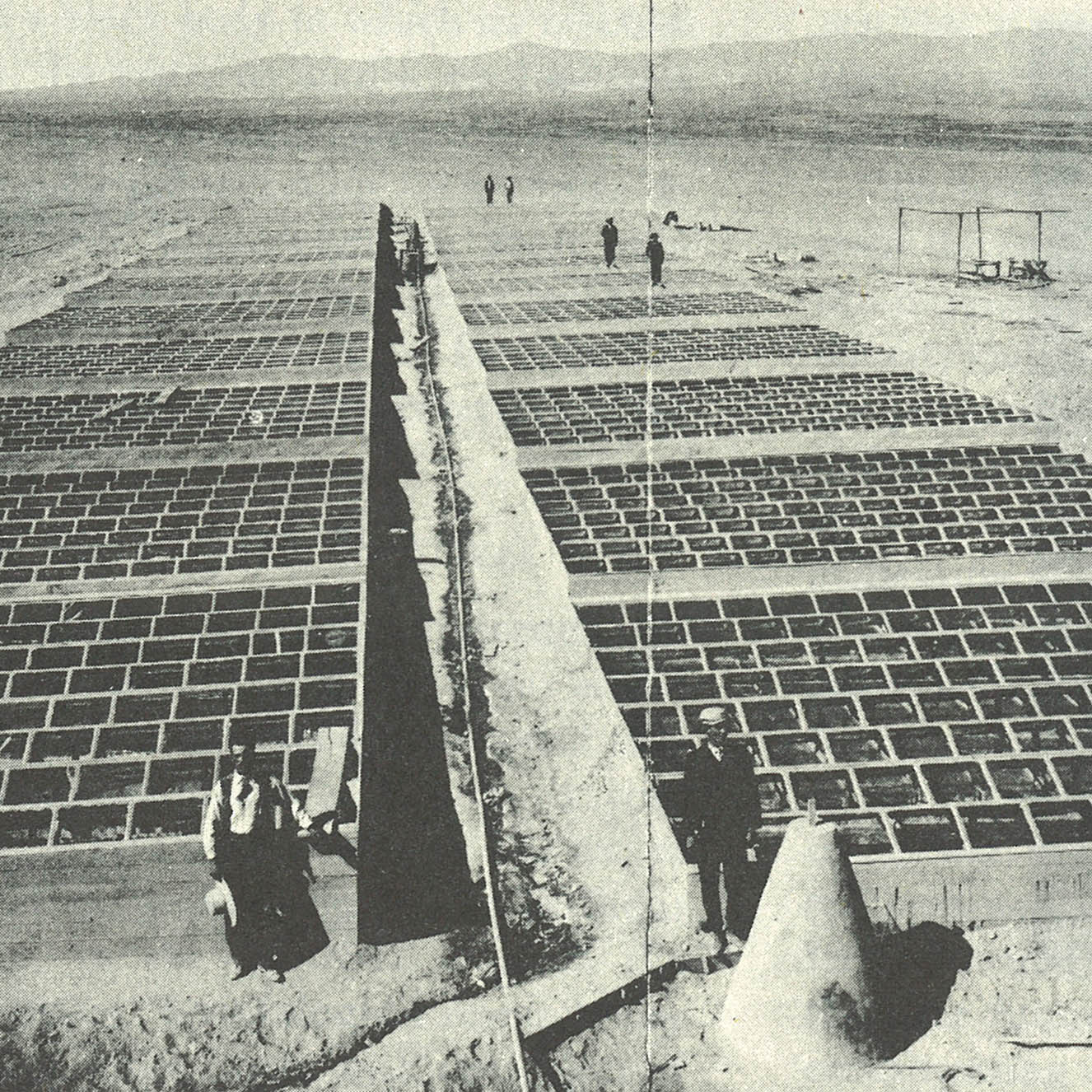
Of course, these technologies are just tweaking old processes. In fact, we have a 19th century solar still.th century. The first recorded solar distillation plant was built in 1862 in the Atacama desert in Chile by Swedish engineer Charles Wilson. He used a network of trenches covered with a glass roof in which salt water was condensed. A silver miner in the area was willing to pay a substantial sum for the water he produced.
Legend has it that his competitors, who used expensive fossil fuels in their desalination systems, plotted to kill him. They knew his daily delivery route, so they hired a coach driver to kill him. Even though Wilson found out about his plan, he continued with his business as usual. But when they had covered half the road, he pulled out a gun and aimed at the driver, who quickly confessed his plan and asked for mercy. , Wilson threw him behind the coach and continued on the journey.
sauce: Daily Texan, green building elements
