











If you are a regular reader of our site, you are probably familiar with the building printing, Mars colonization project., or printing medical prostheses, 3D printing technologyWe have also dealt with using organisms such as spores to strengthen concrete. The latest innovations are 3D printing It has biomaterial properties such as self-repair, stimuli-responsiveness, autonomy, and self-replication.Bacteria are chosen this time bioprinting materials.
One of the latest issues of the Science Advances journal is bio ink technology Something that can be used with a 3D printer. The researchers named it FLINK (Functional Living Ink). It is based on a bacterial culture that is later mixed with a hydrogel. Professor André Studart, head of the Complex Materials Laboratory at the University of ETH Zurich, and his team have used two different types of bacteria to demonstrate some of the many applications this technology can offer in the near future. .
the first one, Pseudomonas putida, can break down phenol, a toxic chemical used in the manufacture of nylon and other synthetic fibers. The second, Acetobacter xylinum, which secretes high-quality nanocellulose. This material can relieve pain and retain moisture. That means it can be used to develop contoured films to cover burns or to create bags to prevent organ transplant rejection.
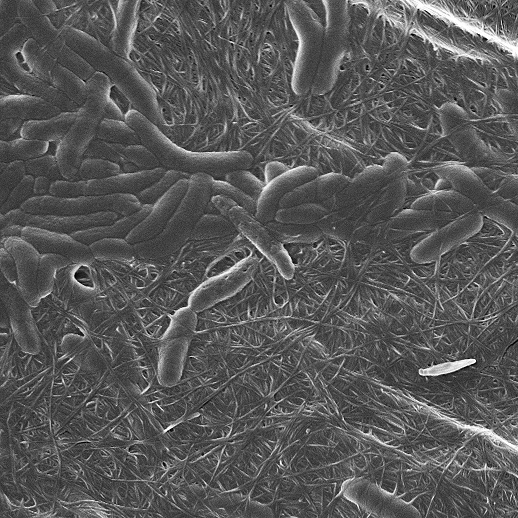
the key to bioprinting process The goal is to achieve the right viscosity and consistency to allow printing. It is viscous enough to pass through pressure nozzles and the perfect medium for bacterial colony development. The hydrogel itself is composed of hyaluronic acid, long-chain sugar molecules and pyrogenic silica. One of the advantages of the technology Studart and his team have devised is that he can combine up to four different bacteria. This opens the door to multifunctional inks.
bioprint sensor
ETH researchers envision a great many uses, one of which is the development of microfilms that can detect toxins in water, and use them to line containers that store drinking water. I can. Researching bioinks as high-tech sensors is another possibility explored by his MIT lab in the United States. Their design, published in the scientific journal Advanced Materials, utilizes bacteria genetically engineered to fluoresce in the presence of specific stimuli.
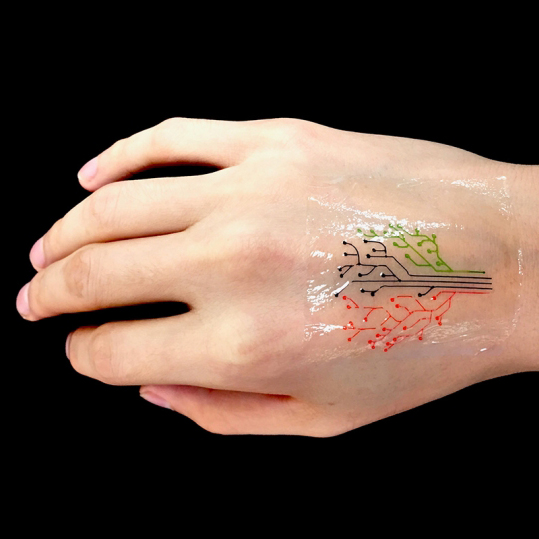
their bioprinting In an experiment based on bacterial cultures mixed with a hydrogel composed of pluronic acid, they printed tree-shaped tattoos with different branches. Each branch was a bacterium that reacted to a specific compound. They then applied several chemicals to human skin and covered it with a printed layer that hardened under UV light. As they expected, different parts of the tree glowed in response to each chemical.
These “tattoos” could technically be used to detect biomarkers about swollen tissue or be implanted in wearables such as smart clothing. In the distant future, one of the most incredible applications will be the creation of “living” computers with chips made of cells that respond to various stimuli.
sauce: Ethereum, Massachusetts Institute of Technology
