











Waste and its consequences are the dark side of technology. For example, the use of nitrogen for agricultural purposes leads to eutrophication of water. This is the process by which excess nutrients increase the biomass in the system and cause the system to collapse. The most visible result is the explosive growth of algae. Fortunately, science can also develop solutions to such problems. Two cutting-edge technologies open the door to what’s next. Obtain fertilizer from wastewater and biosolids— Sewage sludge.
Nitrogen from thin air…and water
With the exception of penicillin, few inventions have had a greater impact on human life than nitrogen fertilizers. Although their use tends to decline today, few question their important role in historical events such as the so-called Green Revolution in India in the 1960s. and Bosch devised a system for obtaining nitrogen and ammonium from the atmosphere, there has been no significant progress in this area. A new process developed in Finland could be a real breakthrough. The key lies in the utilization of wastewater.
One of the main problems of the Haber-Bosch process is its energy-intensive nature. In fact, some estimates put fertilizer production at 2% of global energy consumption. What if we could reduce these energy requirements while also treating wastewater? That was the reasoning of the research team at Aalto University in Finland.Experimental reactor they developed It can separate 99% of nitrogen and 90-99% of phosphorus in urine while significantly reducing energy consumption. Uses less chemicals than normal nitrification and denitrification wastewater treatment processes.
Their system works by raising the pH of water with calcium hydroxide, converting the water’s ammoniacal nitrogen into gaseous ammonia, the basic component for producing ammonium sulfate. In addition to this, calcium salts are used to precipitate phosphorus in water and are also used as industrial fertilizers. As a final twist, calcium salts are beneficial for acidic soils like Finland.
Professor Riku Vahala, one of the research team members, wants to be vigilant. Further testing with other types of wastewater and several patents are required to implement the process in a real wastewater treatment plant. Nevertheless, the potential benefits of this technology cannot be overstated.
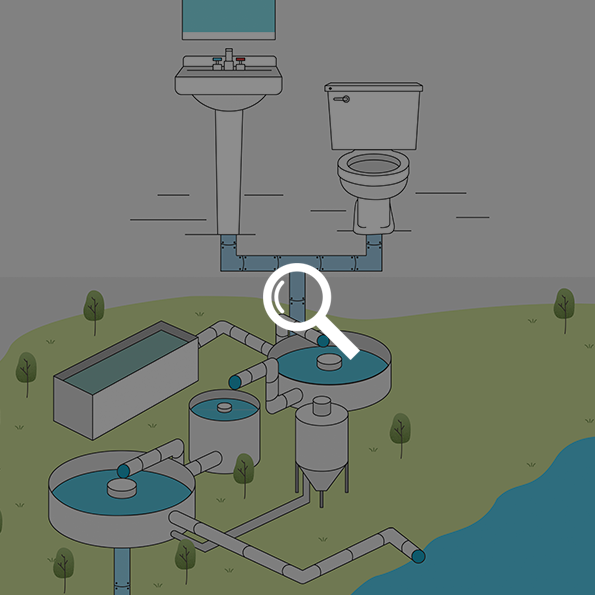
Solid waste without heavy metals
One of the major problems with the use of biosolids in agriculture is the accumulation of heavy metals, which can prove harmful to humans in the long term. The United Arab Emirates, and specifically the Masdar Institute, may have found a solution to the problem by relying on a new system that separates 90% of the zinc and 60% of the copper in the waste that arrives at the water treatment plant. I have. In Masdar, it is a solar powered sustainable urban project.
The process, which is still undergoing commercial trials since it was first published in Scientific Reports in 2016, has the potential to convert the 26,000 tonnes of solid waste currently produced in the UAE into fertilizer. . In this way, not only does it increase the country’s profile as a fertilizer producing powerhouse, Removes huge amounts of heavy metals that end up in landfills..
This procedure consists of several technologies. First, we use a low-voltage current that flows through the sludge between two electrodes. So-called electrokinetic restoration has not been profitable so far, but using aqua regia can increase the effectiveness of the technique and reduce energy consumption. Second, pectin (the agent that makes jellies and jams and maintains their gelatinous texture) can be used to coagulate residual ions in the sludge.
Towards a circular economy
Both systems that utilize solid waste and close the water cycle can also be considered part of the larger trend of the circular economy. The term was first coined in 1980 and covers a variety of strategies for utilizing resources and optimizing production processes. This goes beyond recycling and is based on regeneration, biomimetic, or other systems of biodegradability, incorporating technologies such as remanufacturing, with the main goal of a zero-waste society.
Source: Newswise, Aalto
