











Drought and water scarcity in many parts of the globe are indeed a growing concern. According to UN Secretary-General Ban Ki-moon,More than 50% of agricultural land is moderately or severely degraded, 12 million hectares are lost to production each year. “
Technology and innovation are constantly proposing solutions that are crucial in tackling many of these problems. Sundrop, an epoch-making agricultural system that uses solar energy and seawater, is already a proven model. But how exactly does it work?
Desalination plant runs on solar energy
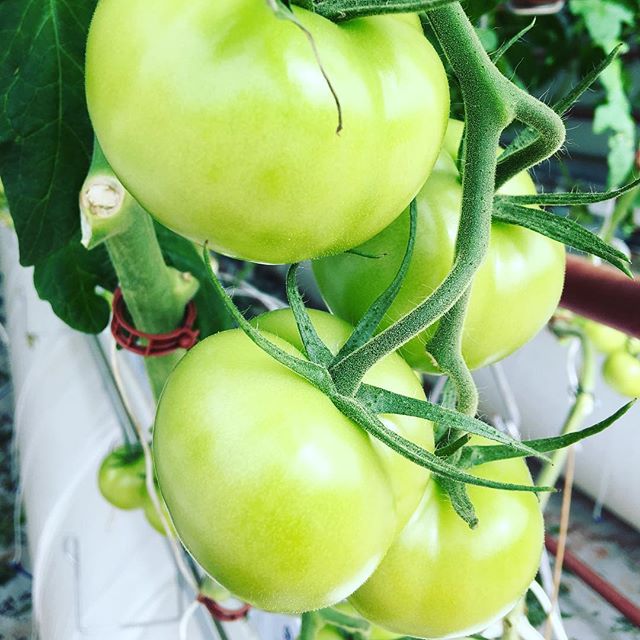
Sundrop was created by a group of scientists An alternative to drought problems in places considered barrenIn a desert region of southern Australia characterized by water scarcity, the system has already achieved 17,000 tonnes of tomato production in just one year.
Seawater is piped from Gulf Spencer, three miles from the 20-hectare greenhouse facility. before being used for irrigation Desalination plant powered by solar thermal energy.
The power station consists of a 150-meter-tall tower with 23,000 mirrors facing it, and can generate 39 megawatts on a clear day.Sufficient amount of energy to remove sea salt and produce enough fresh water For irrigating 180,000 tomato plants inside the greenhouse.
However, the use of seawater is not limited to desalination as a resource for coping with drought conditions. In summer, cover the tomatoes with cardboard sheets soaked in seawater to keep the plants fresh. A method to keep the plants in optimum condition while cleaning the air in the greenhouse. Substitutes for pesticides and chemicals.
So far, the system implemented in Australia has only advantages. In fact, it seems that tomatoes produced this way are already on the market. However, implementations in many other places around the world have yet to be seen, at least so far, as they are staggering. cost about $200 millionBesides, their promoters have to deal with another handicap. That’s because it still needs to be powered conventionally on days with bad sun conditions and still relies on fossil fuels. despite this, Sundrop aims to build three more solar power plants. There are different locations in Portugal, the United States, and Australia.
Innovation is taking big steps to make people’s lives better and, in this case, more sustainable. Salt water on the planet makes up 97.5% of all he, so this kind of technology could bring us closer to the potential of tackling the problems of drought and scarcity in many parts of the world.
sauce: Zataka, abc.net, Sustainability for Everyone
image: Sundrop
