











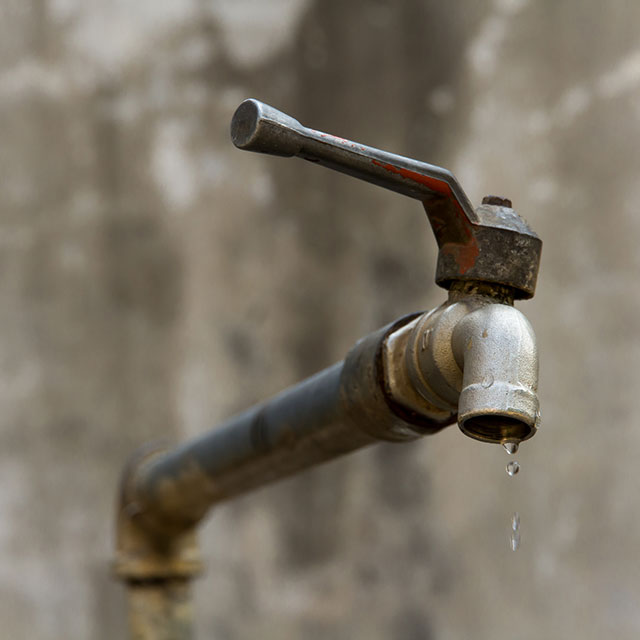
Despite being a common good, nearly 700 million people worldwide have no access to water, according to WHO data.In other words, shamefully, no Less than 12% of the population does not have access to water suitable for human consumption.
Given this alarming figure, research efforts aimed at turning the situation around are all the more urgent.Indeed, it seems the commitment of University of Cadiz (Spain) and a group of researchers within it Environmental Engineering Departmenttested a promising low-cost water disinfection model.
The concept is based on the use of A plastic bag that can eliminate bacteria with the help of sunlight Causes acute digestive illness caused by ingestion of contaminated water. According to details released by those responsible, a system that could improve in many ways the results achieved by the current SoDis method, from exposing water to sunlight in a plastic bottle to remove the causative organisms. It’s a pioneering initiative. Adverse health effects.
“Water disinfection plastic bag, is this the solution?”
Low-cost construction method full of merits
The solution proposed by the University of Cadiz to disinfect the water with the promise of plastic bags and exposure to the sun Multiple benefits for tackling access to drinking water for self-consumption issues.
first, Capacity is 4 liters / 0.9 gallonsas opposed to the 1.5 liter / 0.33 gallon capacity of current containers. with handle, which makes filling, transporting and storing more convenient and safer. In addition, they also dispenser The seal can be strengthened to avoid water contamination.
Further good news brought by this ground-breaking project is the durabilityWhile other containers show signs of damage after months of use, the plastic bag introduced by this university research group remains intact. All this Sunlight exposure time to purify water is 1/6 of the time required for plastic bottles. It appears to be a low-cost system for treating some micro-organisms and could be of vital importance for helping underprivileged segments of the population produce drinking water.
sauce: UCA i+T Bulletin
