











“Unlike the industrial revolution, the biomimicry revolution ushers in an era based on what we can learn from nature, not what we can extract from it,” said Janine Benyus, founder of the Biomimicry Institute. explains.and it is biomimetic architecture Judging by projects such as the Tower of Life proposed by an international architectural consultancy as a glimpse into the future of construction, it will be one of the keys to that learning process.
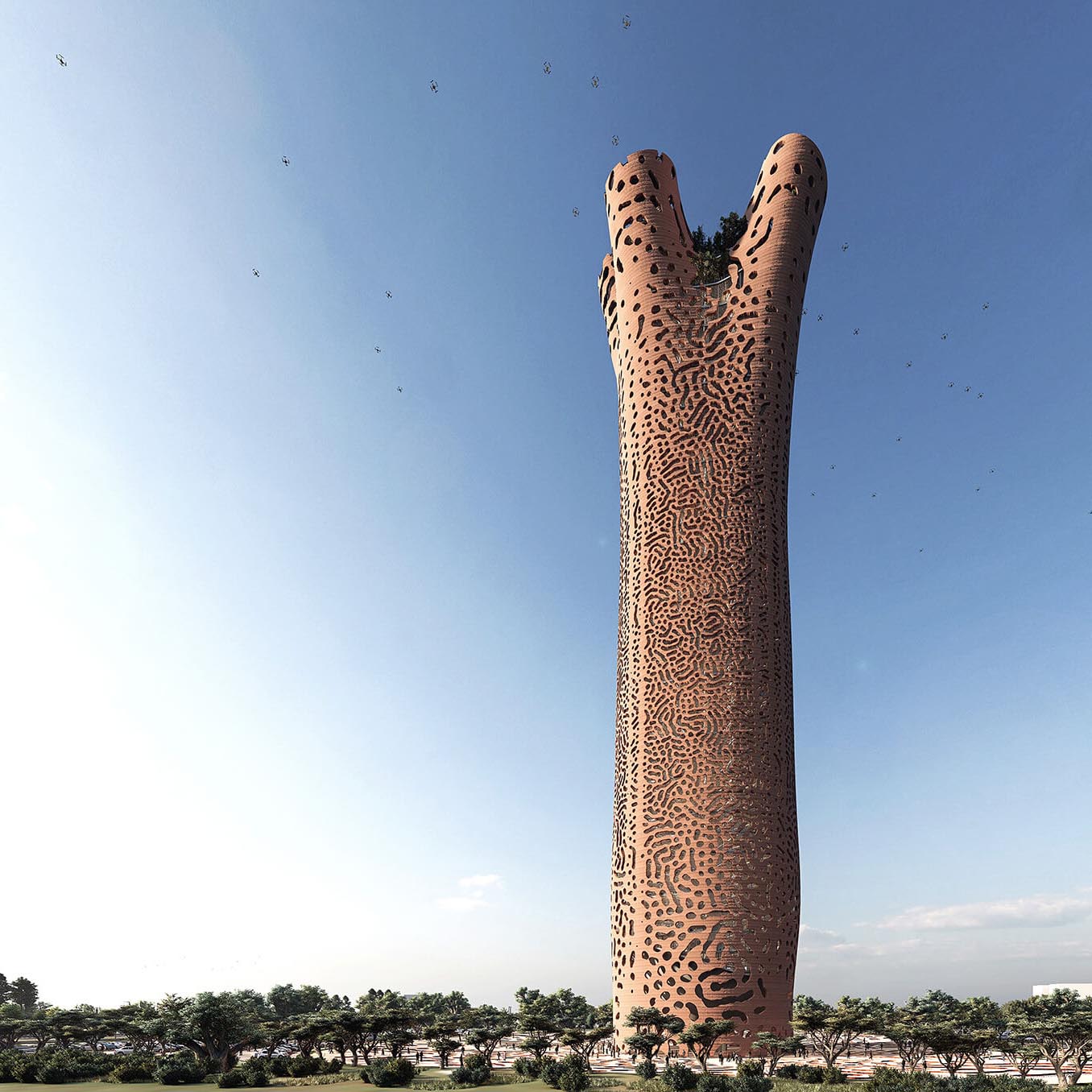
A gigantic structure destined to be a landmark for the city of Dakar, Senegal, the building is inspired by the African national symbol, the baobab. Its terracotta color evokes the simple mud structures of the region and the tones of its landscape. But it also technology of tomorrow.
In this article you will learn about:
What is biomimetic architecture?
If you’ve read an article about biomimetics or biomimicryyou will know it is a discipline Emulate and replicate the principles and behaviors of nature, applying them to technical solutions. Architecture is one of the most fertile grounds for this approach, as seen in the Sunflower House example. Buildings based on the premise of biomimetic architecture typically have the following characteristics:
- energy self-sufficient. In nature, ecosystems thrive solely on energy from the environment and do not need to be artificially generated.
- Zero or negative carbon footprint. In nature, the carbon dioxide balance is maintained by various processes of photosynthesis.
- self-healing. As with new types of concrete, organisms have the ability to regenerate cells.
- organic form. Structures mimic natural forms, as in the case of Zimbabwe’s Eastgate Center shopping mall, which is based on termite mounds and their thermoregulatory systems.
Biomimetic architecture is nothing new. In fact, Filippo Brunelleschi, the architect of Florence Cathedral, designed his iconic dome inspired by the eggshell. Create a light and strong structureThe main difference in modern biomimetic architecture today is Endless repertoire of technologyas seen in the Tower of Life.
Tower of Life: A Self-Sufficient Ecosystem
Conceived by a Lebanese architectural firm, the Tower of Life meets some of the above requirements.
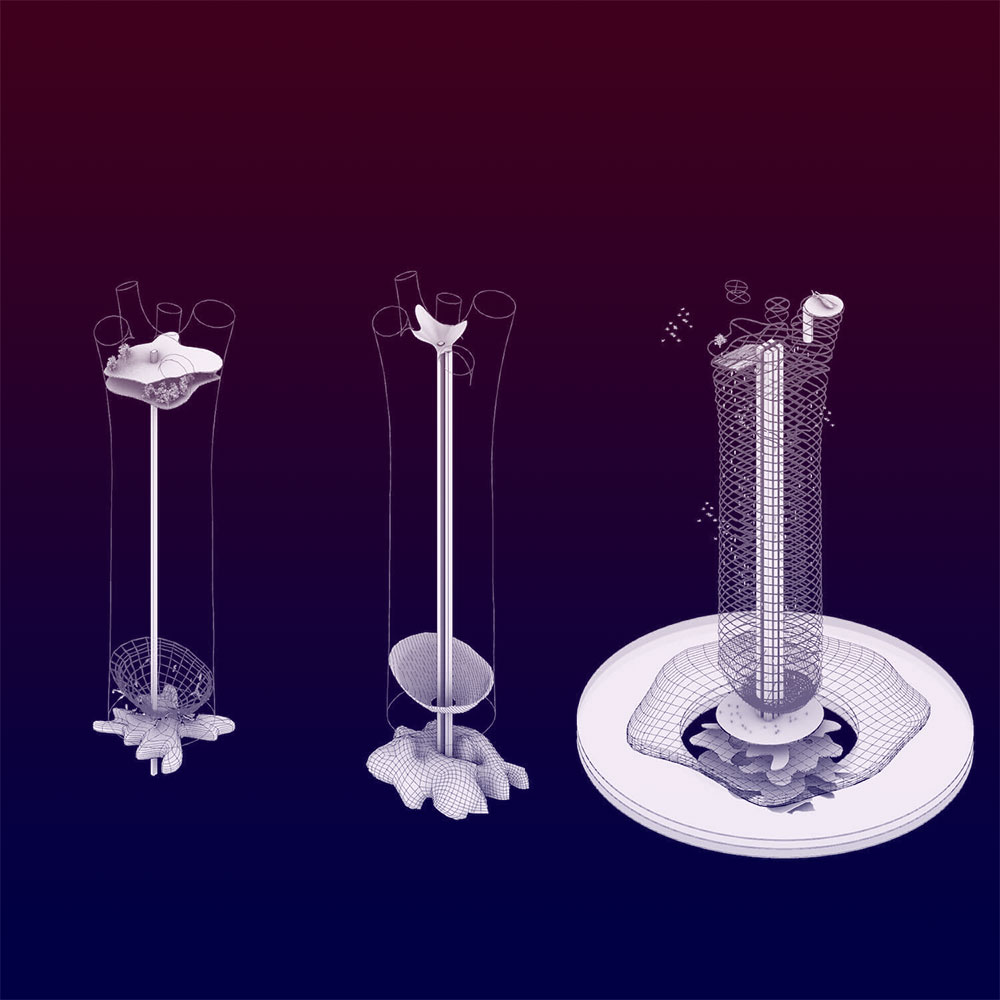
of energy term, can produce more energy than it consumes. First, this is achieved through energy efficiency. This is because the rustic exterior structure helps generate a microclimate through the perforations. It then uses a rainwater collection system that uses photovoltaic glass to generate electricity and feeds the foundation water tank. There is also a bioreactor at the foot of the building, Converting organic waste into energy.
of negative carbon footprint These energy systems, as well as the use of 3D printing with locally sourced raw materials, reduce the energy required for transportation and manufacturing. Thus, the entire exterior structure is built with local soil and additive printing.
of Imitation of organic shapes It is reflected in the same external structure that uses reaction-diffusion patterns, the mathematical model that determines the distribution of spots in fish and animals.As you pointed out, these openings are Modulate the light reaching the interior of the buildingThey also apply to the entire surrounding site, as a museum is planned in the basement and the openings will be used as skylights.
Specifically, the tower of life arrives 290 meters high Vertiports for drones and helicopters are also available.upper zone intention Also housing forests for regulating temperature and oxygen levelsAll of this is monitored by an array of sensors that detect everything from humidity levels to air quality, temperature and occupancy levels in each space.
Other examples of biomimetic architecture
Tower of Life is one of the most recent examples of this trend, but there are many others. Not all of them adhere to the biomimicry canons so strictly, but many Nature has guided the design of innovative buildings.
- Cathedral of La Sagrada FamiliaAntoni Gaudi, considered a pioneer of biomimetic architecture, said, “Those who look to the laws of nature for the support of new works cooperate with the Creator.”And this is what he did with the Barcelona Cathedral, its load balancing system and pillars was based on tree branch growth.
- One One One Eagle Street Fig Tree SkyscraperThe architects responsible for designing this building in Brisbane were forced to place the foundations irregularly because there was little space and the existing structure had to be respected. They began testing the model and found it to have the appearance of a particular plant.in the process they found In their study of seed germination and growth towards light, they used it as a basisThey soon found their skyscraper to be very visible looks like a fig tree Near construction site.
- Norman Foster’s tower with a sponge motif. Popularly known as the ‘Gherkin’ because of its unique shape, this London skyscraper was designed based on Venus’ flower basket, a sponge that produces a silica structure that resists strong ocean currents.
- Council House 2, Melbourne City Hall. It is the first building in Australia to receive a 6-star green certification, a proof of building sustainability. Zimbabwe’s East Gate, the work of the same architect who designed the Center, Follows the same thermal self-regulation rules that thermite usesWe also generate our own electricity with solar panels and micro turbines.
If you find these examples of biomimetic architecture interesting, you can expand your knowledge in the field with articles like this one that explores the energy efficiency approaches that some organisms take.
sauce:
