











In addition to new technologies such as mixed reality, architecture is benefiting from innovative technologies that enable sustainable construction.In recent years, it has become a hot topic 3D printing applied to the construction processBut what happens when you combine this technology with sustainable raw materials?
The University of Idaho believes a new approach can bring the two together.The goal is to develop using pulp made from wood waste sustainable building of the future.
This article covers the following topics:
Large scale biocomposite
By 2025, U.S. university projects will: Use of biocomposites, i.e., materials composed of several elements of biological origin for building large structures. This biomaterial combines sawdust with waste from the wood and construction industries to provide a viable alternative to concrete.
Once the ideal combination of strength and durability is found, it will be used in new state-of-the-art 3D printers. Deliberately created for the project. Developers believe the new raw material will allow them to produce modular wall, ceiling and floor panels. quickly and efficiently.
Since 2019, the team has focused on the use of wood waste previously unavailable to the industry. New binders and 3D printing technologyNew materials for this type of additive printing can be applied to both the construction of buildings in situ and the creation of archaeological replicas.
wooden stadium and skyscrapers
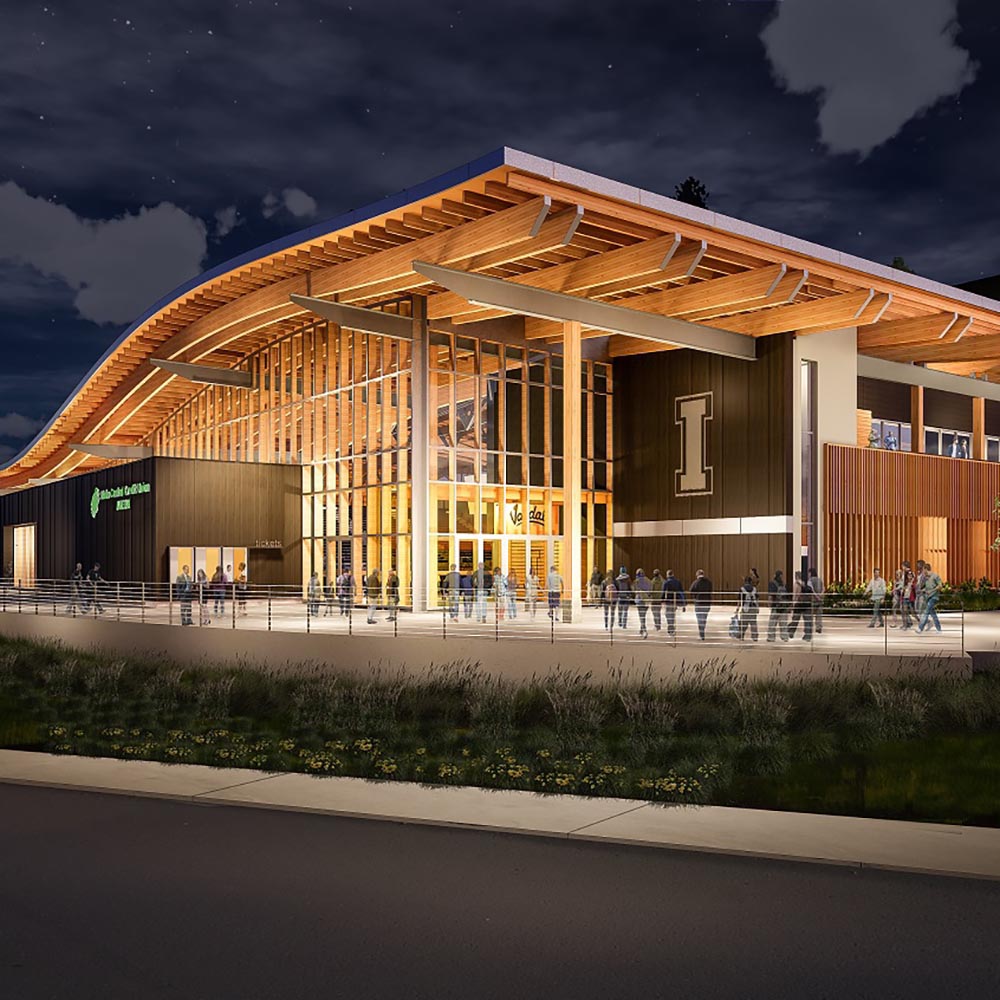
The University of Idaho itself has already demonstrated feasibility. build a large wooden structureOne of the most spectacular examples is the Idaho Central Credit Union Arena. A sports center with a capacity of more than 4,000 people, made almost entirely of engineered wood.
Engineered wood is made from materials such as sawdust and wood fibers. A typical example is the plywood used in some furniture. Of course, the giant beam covering Idaho Stadium is a little stronger, but the approach is the same.
usage of Artificial wood or wood from sustainable forests It is one of the most interesting sustainable construction alternatives. One example is the world’s tallest wooden skyscraper under construction in Winterthur, Switzerland.
It will be 100 meters high and will be completed by 2026. It also forms part of a neighborhood built entirely of wood.
Among the advantages of using wood in construction are: lightness and durability.
A new recycling strategy in sustainable construction
In addition to using new sustainable building materials such as wood and bio-concrete, recycling is booming as a guarantee of sustainability in this sector. One of the major challenges was the difficulty of demolition and disposal of waste from old buildings. Known as CDW (construction and demolition waste), these Large amount of very different kinds of materials.
Projects such as HISER are looking for New options for giving them a second life Absorb the concept of circular economy in the construction sector. The idea in this case is to create a new digital system, known as smart BIM-SD, to track and sort materials within each building and apply selective sorting, shredding, and electrical shredding techniques to is to collect The result is a composite material such as WPC, which combines plastic and wood.
Another interesting strategy is to use artificial intelligence and robotics to sort and move heavier construction waste. New factory to open in 2022 will have robots capable of identification and picking Up to 12,000 pieces of up to 30 kilograms per hourIt looks like sustainable construction has a great future ahead.
sauce:
