











We are often asked about RAM speed, recommendations, and the importance of RAM for certain applications such as gaming. The answer is a bit more complicated than simply higher numbers are better. So what exactly is it and how important is RAM speed? Read on for more.
What is RAM speed?
First, the term RAM speed is a bit misleading, so let’s clarify some terms first. System RAM execution speed actually depends on several factors: frequency, bandwidth, total number of channels, quantity, dual data rate (DDR), latency, and even processor speed/generation. When discussing “RAM speed”, most users actually refer to the RAM frequency (the number of commands that can be processed per second), so for this discussion we will do the same. RAM frequency is measured in MHz and usually immediately follows the DDR version of the RAM specification. For example, 8GB DDR4-2400 RAM running at a frequency of 2400MHz. RAM frequencies typically range from his 800MHz for older DDR2 modules to 6800MHz for DDR5.
The important thing to remember here is that system RAM does not handle command processes like the CPU does. So a higher CPU frequency will improve your PC’s performance, which may not be the case with a higher frequency RAM. This is why even though higher frequency RAM is technically faster, that extra speed often doesn’t translate into real performance gains.
How important is RAM speed for games?
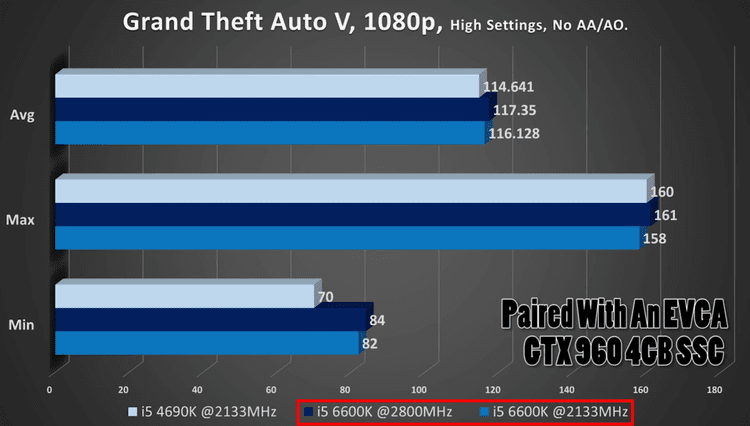
We’ve found that higher frequency RAM doesn’t necessarily impact overall system performance, but what impact does it have on gaming benchmarks and frame rates? From what I was able to do, there are very few. Returning to our previous post on VRAM, remember that when using a discrete graphics card, it’s your video RAM (both amount and speed) that directly impacts your game’s performance. System RAM is often unused during games. So, in addition to the reasons mentioned above, here’s another reason why RAM frequency has a particularly negligible impact on game performance, as the chart below shows.
What are the drawbacks of using faster RAM?
So higher frequencies for some RAMs are fancy specs, and sometimes not. help Performance for most applications, it certainly isn’t get hurt, right? Well… higher frequency RAM is often overclocked to reach these insane numbers, so it can actually cause RAM-related instabilities like crashes and freezes. It’s not always the case, but we’ve always found that destabilizing a system to get a little performance boost is counterproductive, especially considering it’s hardly any real performance gain. ‘s opinion. This is why most systems today offer DDR4-3200 or DDR5-5200 instead of faster.
Note: If you want to learn more about RAM speed and other factors that affect RAM performance, check out this in-depth article..
Configure your next gaming PC here.

Josh has been with Velocity Micro since 2007, holding various marketing, PR, and sales-related roles. As Director of Sales & Marketing, he is responsible for all direct and retail sales and marketing activities. He enjoys reruns of Seinfeld, Atlanta He Braves, John, Paul, or Beatles songs written by George. I’m sorry, apple.
