











Climate Wire | Climate change is accelerating inflation in dozens of countries around the world, according to a new study. And this trend is expected to continue as the world heats up.
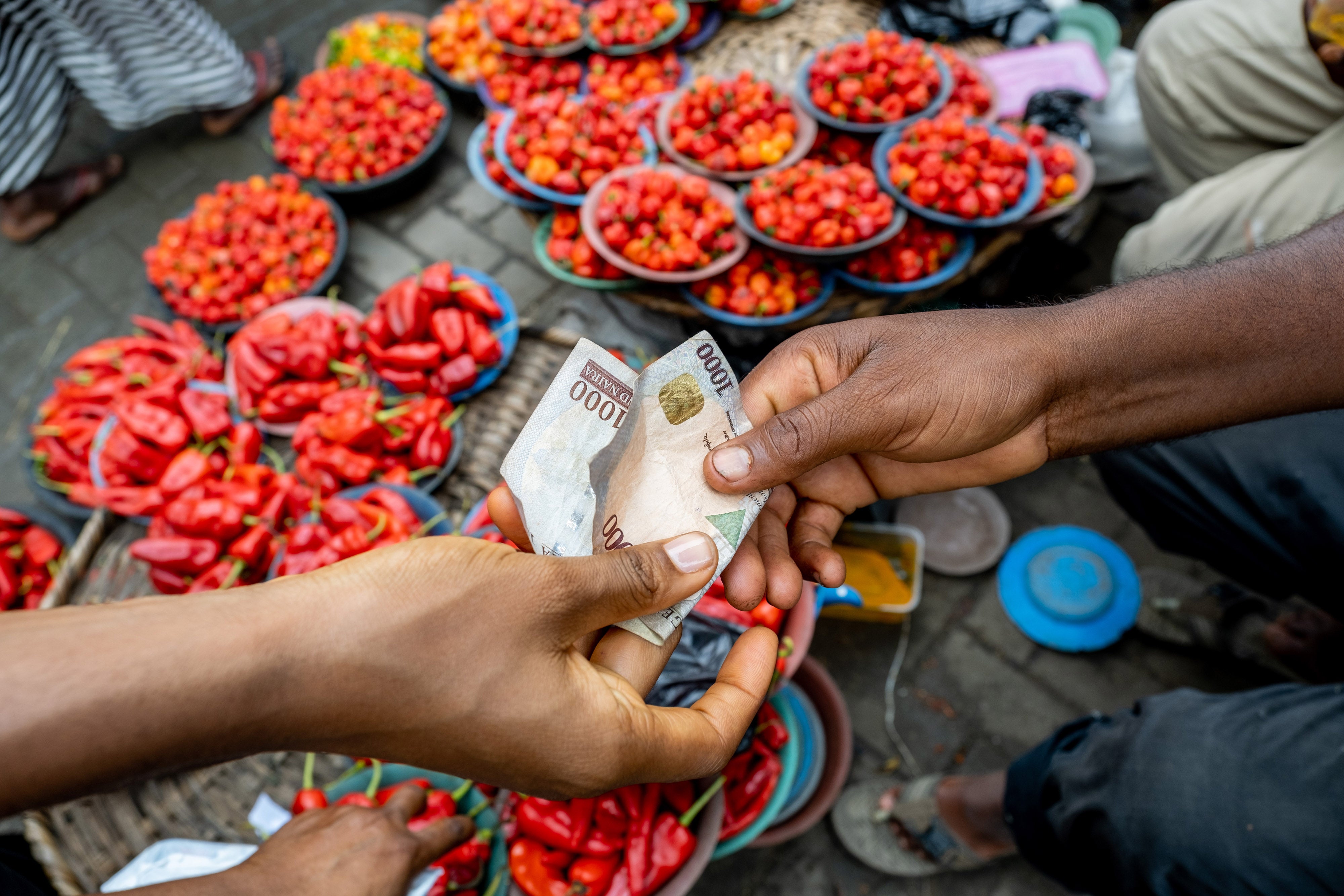
A European Central Bank report released last week said so. Researchers set out to study the effects of global warming on inflation in 121 countries and found that higher than average temperatures have increased the cost of food and other goods and services.
And higher prices will ripple through the global economy.
It’s a global phenomenon, but the biggest impact is likely to be felt in the global South, particularly Africa and South America, researchers said.
“These results suggest that climate change poses risks to price stability by exerting upward effects on inflation, altering seasonality, and amplifying effects caused by extreme events.” says the reportThis was a joint study by researchers from the European Central Bank and the Potsdam Institute for Climate Impact Research.
The findings come in an effort by central banks and financial regulators to better understand the financial threats of climate change. As such, securities regulators are considering requiring public companies to disclose climate risks and strategies, and central banks are conducting stress tests and scenario analyzes to assess the vulnerability of lenders to climate change. .
Still, the report’s authors noted that research into the impact of extreme weather on inflation itself is still in its early stages. So they challenged it.
Using a dataset of monthly consumer price indices for all 121 countries, they identified how rising temperatures affected prices in different seasons and regions over the past 30 years. That data allowed them to estimate the historical impact of his 30-year rise in temperature on inflation.
One of those estimates looks specifically at Europe. The researchers focused on how the extreme heat and drought that plagued the region last summer hampered agricultural and economic activity.
Taking into account other factors such as COVID-19 and Russia’s war with Ukraine, the authors estimated that the heat wave alone pushed up inflation in the region by 0.67%, and even more in southern Europe.
We then combined these historical estimates with future climate scenarios to project how climate change might affect future inflation.
As a result, rising temperatures could increase global inflation by up to 1% each year through 2035, the researchers wrote. When they looked specifically at food inflation, they found that future warming could raise prices by up to 3%.
“Future climate change will amplify the magnitude of such extreme heat, and thereby the potential impact on inflation,” the report said, both of which are expected to contribute to price stability and ” have a significant impact on the broader social well-being.
Reprinted from E&E News with permission of POLITICO, LLC. Copyright 2023. E&E News provides important news for energy and environmental professionals.
