











Imagine that when the sun rises on a summer day, the windows in your room start filtering solar radiation to keep the heat out. And, incidentally, it supplies power to electrical appliances in the house. Or a greenhouse that produces the energy needed to control the microclimate. That is the focus of the new generation of transparent photovoltaic glass.
This article will cover:
As I pointed out in my previous article, solar glass is a relatively mature technology. By 2026, the global PV glass market is expected to reach his $37.6 billion. This momentum is reflected in many technological innovations.
Types of clear photovoltaic glass
It is true that many challenges still face such as durability, performance and transparency, but many buildings are already equipped with this innovative technical solution. But before we go any further, let’s review the types of solar windows and how they work.
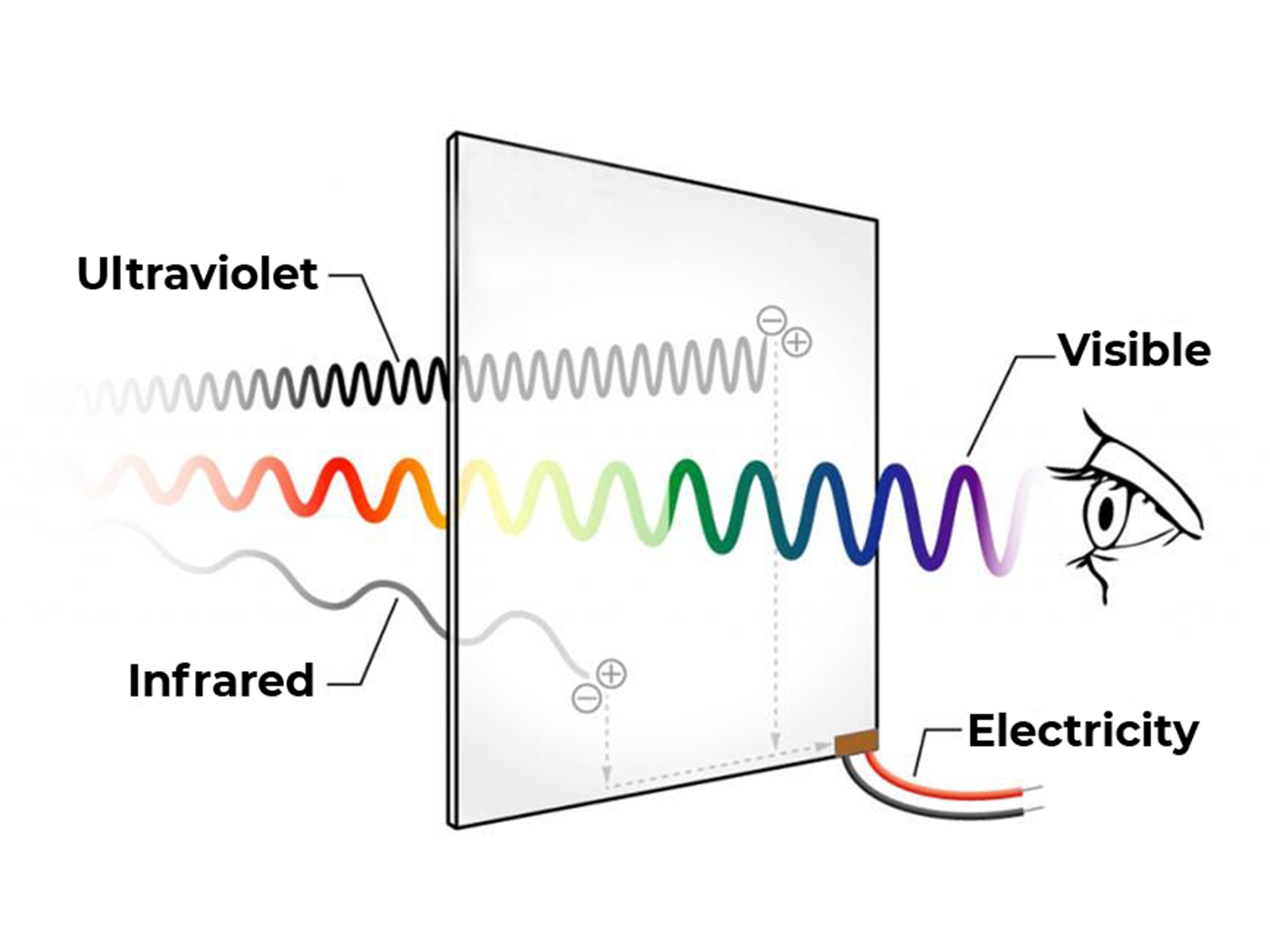
1. Add-on modules. The first generation of solar windows was based on transparent photosensitive modules coated with glass. These amorphous silicon-based modules are typically less transparent and slightly orange.
Another advanced solution involves spraying the glass with a photosensitive film that filters out invisible radiation, as a US start-up is doing.
2. Integrated solar cell. Since then, research has focused on incorporating solar cells into the glass itself, using mostly organic compounds. One example is a transparent light-emitting solar concentrator (TLSC) that directs radiation to the side of a window where solar cells are installed. So-called “quantum dots” are also used to achieve similar results.
integration of translucent perovskite cell Another research area. This technology has the potential to double the efficiency of solar windows. However, perovskite cells are still in their very early stages.
A new generation of solar windows
It is a well-known fact that the efficiency of photovoltaic panels is increasing year by year. OxfordPV, one of his leading solar PV panel makers, has just hit nearly 30% efficiency and new solar panels are expected to hit his 2022 launch.
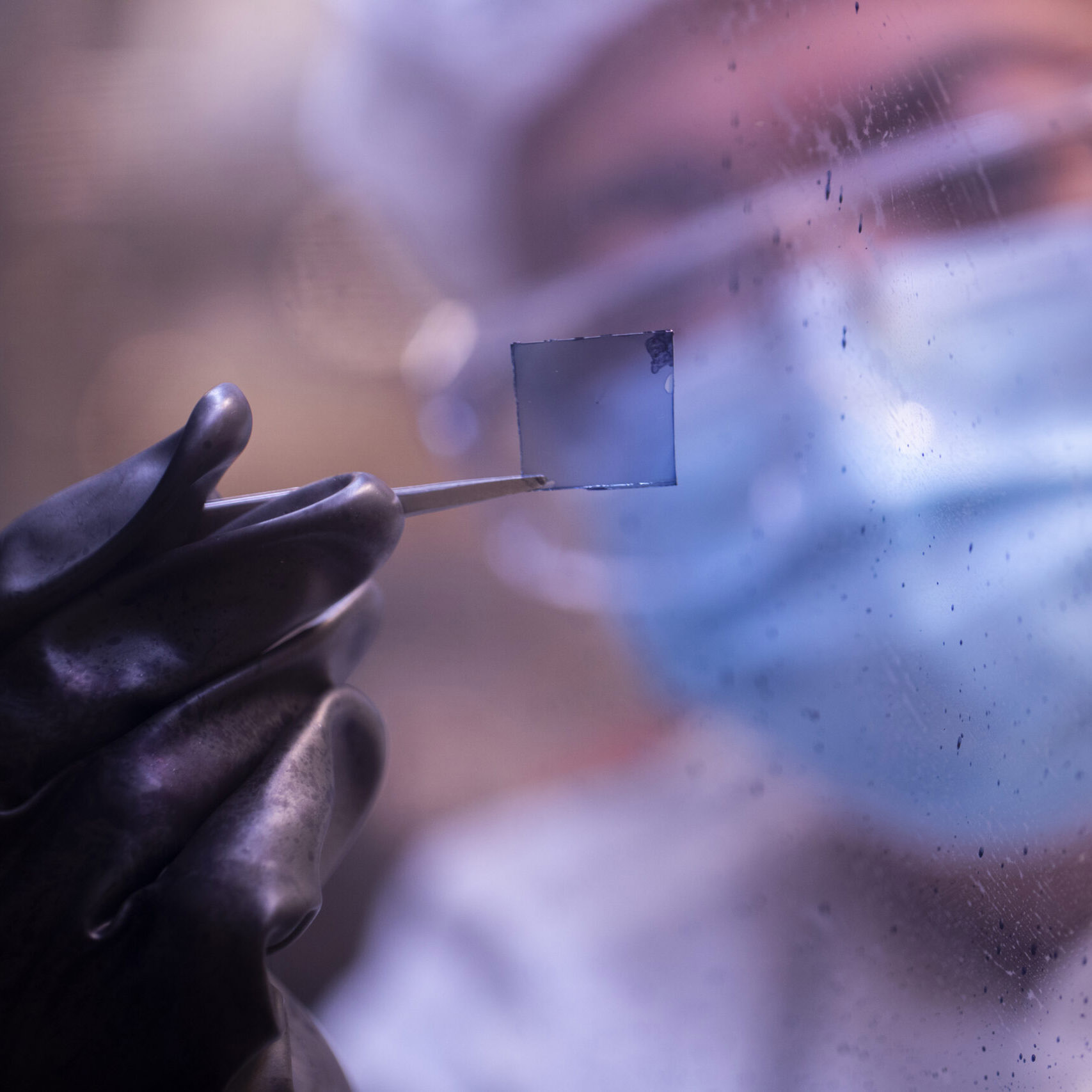
As expected, the photovoltaic glass sector is no stranger to this trend. Therefore, in 2020, the University of Michigan will: Recording the Efficiency of Transparent Photovoltaic Glass: 43.3% transparency at 8%. To achieve that, they used organic polymers instead of silicon.
ClearVue has announced that it will launch a photovoltaic glass with 5% efficiency thanks to nanoparticles in the coming months. The company developed the technology together with the Australian technology center ARC Center of Excellence of Exciton Science.
smart photovoltaic glass
A current body of research aims to improve the efficiency of the technology and incorporate new features. It is the emergence of what can be called smart photovoltaic glass Year.
smart window, which can darken when an electric current is applied, has been in use for decades. One example is the windows of the Boeing 787 Dreamliner. However, until now, they have not been able to be adopted on a large scale.
This is where perovskites reappear. The first Smart He window based on this material, which can generate electricity and dim autonomously, was unveiled in 2018 by the University of California, Berkeley. As Science magazine explained.
Devices using this technology are technically photovoltachromic (PVCD) has just made a leap forward. A group of Chinese researchers has unveiled a new solar module that combines several technologies.
Developers used an electrochromic gel that combines transparent perovskite cells to generate electricity and is responsible for controlling transparency. The novelty is that it is a monolithic structure, ie a single piece that does not require an intermediate electrode.
The result is glass that can generate renewable energy while controlling the light and temperature entering the room.
From Skyscrapers to Greenhouses: Applications for PV Glass
One of the first candidates for using transparent solar glass was skyscrapers due to the nature of the facade. In fact, ten years ago there was already talk of integrating these solar windows into Chicago’s tallest skyscraper, the Willis Tower.
But if there is one building where glass dominates, it is the greenhouse. And that’s what Tomita Technologies, a Japanese company dedicated to manufacturing such structures, is leveraging.
In the summer of 2021, Tomita announced that it will install solar-powered glass in the greenhouses of the ecotourism project “Aqua Ignis” in the Fujitsuka district of Sendai. This will be a testbed for the technology that the Japanese manufacturer plans to implement on a large scale in greenhouses.
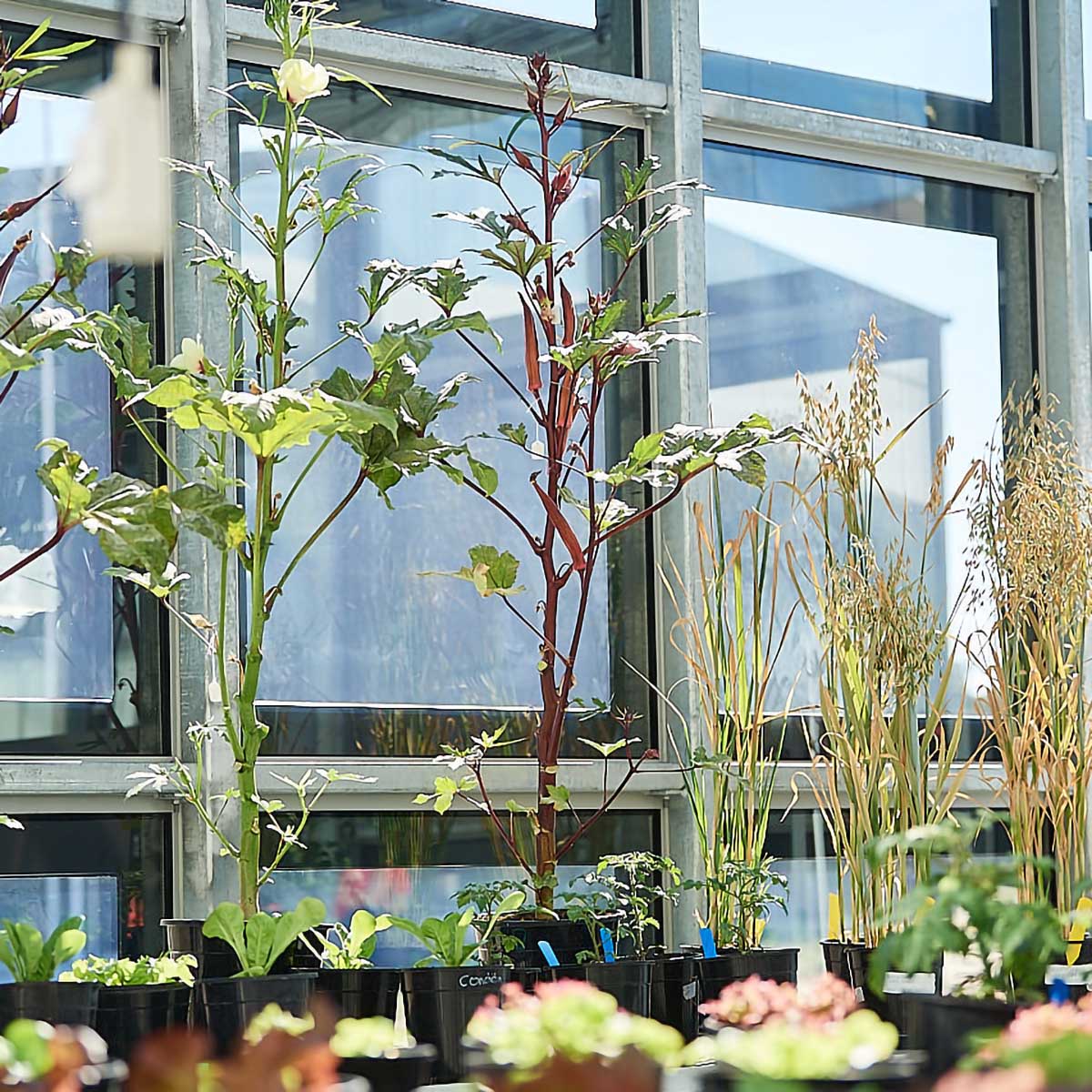
ClearVue, the supplier of this photovoltaic glass, announced the launch of the world’s first greenhouse with these features a few months ago. The structure covers 3000 m2 and produces 60 kW, excluding lettuce, enough to power 12 households.
Much of the renewable energy produced is used to control the greenhouse microclimate and humidity, temperature and daylight sensors.
Finally, solar-powered glass filters UV and IR radiation. Project backers estimate that filtering radiation benefits plants, increasing production by 20-30% compared to traditional greenhouses.
Clear photovoltaic glass is part of a broader construction trend — BIPV (building-integrated photovoltaic power generation). This includes rooftop solar panels and solar windows, as well as other technologies such as photovoltaic facade cladding. Or even the sunflower-based architectural design described here.
Either way, whether in architecture or agriculture, this technology promises to play a key role in decarbonizing the economy and mitigating climate change.
sauce: Forbes, Renew Economy, University of Michigan, PV Magazine, https://www.reuters.com/article/idUS252721771420110328
image: exciton science
