











If you’ve ever desperately resorted to plastic bags to cover your head on rainy days, you’ll realize they’re not the ideal material for clothing. —the material from which they are usually made— It is lightweight, does not retain heat and cannot evaporate moisture. But a group of researchers at MIT has embarked on a technical project. 500 billion bags are produced worldwide each year on clothing.the key is in the new recycling technology To obtain a cotton-like filament that can be woven and absorbs moisture. In fact, they found that the new fabric absorbs and releases moisture better than other synthetic materials such as polyester and cotton.
The strategy employed at MIT involves grinding the polyethylene into a powder and using standard textile machinery to melt the material and extrude it into very fine threads. Surprisingly, they found that the extrusion process slightly oxidized the polyethylene, altering its surface and making it hydrophilic, meaning it was able to absorb water molecules. The threads are then woven together to form a synthetic fiber. The fibers have sufficient capillary action to allow moisture to pass through when it is attracted to the surface. After confirming these characteristics, we optimized the thickness and weave of the fibers to enhance the absorption effect.
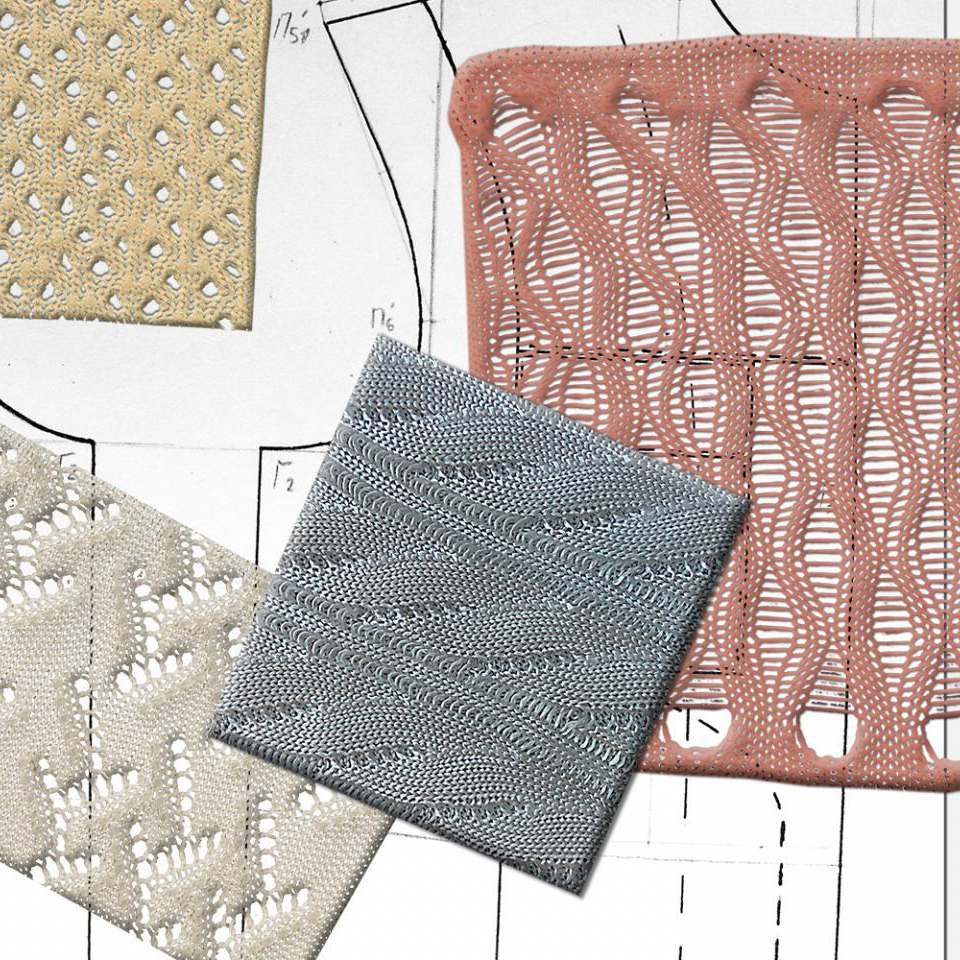
Finally, we created samples of the new fabric and compared its properties with other existing materials. For one, they soaked strips of woven polyethylene, along with their nylon, polyester, and cotton counterparts, in water to see how long it took the liquid to pass through them. They also placed the material over a drop of water on the scale to measure the evaporation rate. In both cases the process was faster than conventional materials. New fabrics lose some of their hydrophilicity over time and can only be restored by rubbing or exposure to UV light.
Another advantage they discovered is that adding colored particles to the extrusion is enough to get the desired shade and color. This simply means that you can do a dry dyeing process. It is worth remembering that the textile industry is he one of the most voracious in terms of water consumption. For example, one pair of jeans requires up to 10,000 liters of water, considering the entire process from growing cotton to making it.
New recycling technology for fiber raw materials
As mentioned earlier, the textile industry is one of the largest consumers of energy and water. Initiatives to improve clothing recycling are therefore welcome. And Sweden’s Lund University thinks they’ve found a way to put the clothes that end up in landfills and incinerators to good use. In the past, many garments were unsuitable because recycling relied on long enough fibers.
However, Lund University applied a method of decomposing cotton cellulose fibers with a sulfuric acid solution. The resulting liquid has a high percentage of glucose and can be converted into various fiber materials such as spandex and nylon, but can also be used to produce ethanol. The methods they applied were investigated in his early 19th century and are not new, but the researchers claim they achieved unprecedented efficiencies with their revolutionary recycling technology.
sauce: Massachusetts Institute of Technology, Science Daily
image: When
