











Sea urchins are tough creatures. Not just because of the sharp quills, but also because of the five extremely sharp teeth that can crush shells, reefs and even rocks. And somehow, despite their harsh use, they are able to always keep their teeth sharp. However, recent studies conducted in scanning electron microscopy shed new light on them. self-polishing properties. Advanced self-sharpening tools used for design innovative materials In industrial environments, mining and tunnel boring.
.
Horacio D. Espinosa and his team at Northwestern University in Illinois (EE. UU) studied the chewing process of pink sea urchins.using electronic microscope, they were able to assess the tearing and wear each tooth endured. A video of a diamond-devouring sea urchin showed that the sea urchin’s teeth were arranged so that only one side was missing. This means transmitting pressure towards the opposite side of the tooth. The most resistant surfaces are made of resilient calcite fibers that form a kind of wall. On the other side, it sits on a weak sloping plate that scrapes and scrapes material such as starfish and rocks.
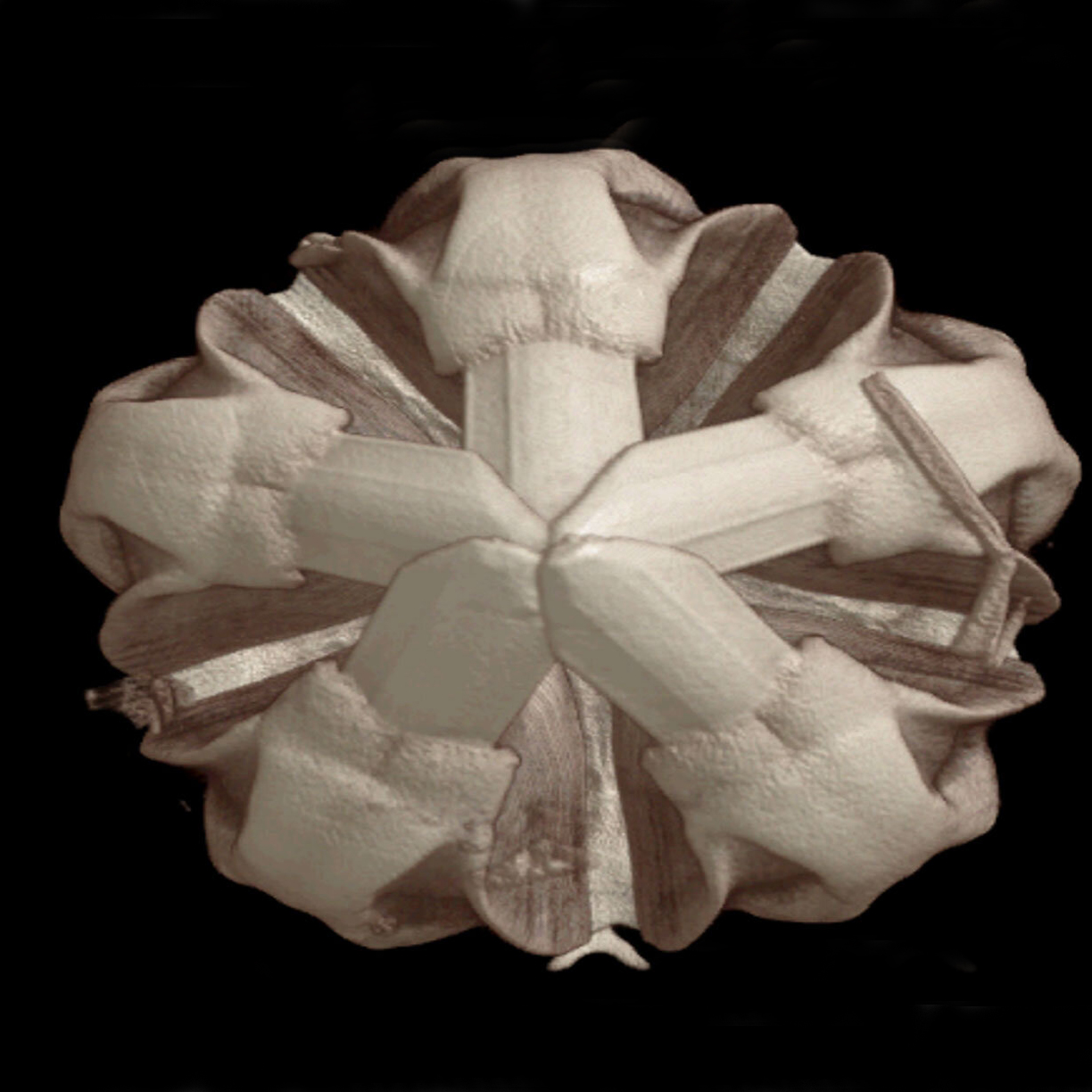
Sea urchin teeth keep growing throughout their lives, so they keep their teeth sharp all the time.by running this technology projectEspinosa intends to better understand the properties of materials at the nanometer scale to develop new science and technology.
Sea urchin exploring space
This isn’t the first time sea urchin teeth have inspired creations. innovative technologyIn 2016, a team of engineers and marine biologists designed a claw-shaped device that scoops up sediments and Earth samples from other planets such as Mars.the goal of this bio-inspired The purpose of the tool was to create an alternative to the traditional shovel that does not block your view of your surroundings.Similar to Espinosa’s study, engineers at the Jacobs School of Engineering in San Diego used powerful imaging techniques, but this time micro tomography (microCT), we were able to create a 3D model of each tooth. We then developed a device with a similar design and went through several processes to perfect it. 3D printing repetition.
Tests of this technology project carried out on Mars-like terrain using a remote-controlled rover with “claws” yielded positive results. Researchers believe a large number of self-driving small vehicles using this innovative technology could search for samples before returning to their primary vehicle.
The research team behind this design has spent years investigating the potential for natural structures like those found in seahorses, woodpeckers, or puffer fish.
sauce: scientific journals, Engadget
