











A plant- and animal-free protein source would not only feed more humans on Earth, but would also provide an ideal menu for astronauts on future spaceflights. And that’s the goal of Solein, a new type of protein that requires only water, air, electricity, and a little help from bacteria. technology project This is an initiative by Finnish company Solar Foods, which is working with the European Space Agency (ESA) to develop in-flight meals for use by astronauts on future Mars trips. The research has also received support from his VTT Research Center in Finland and the Lappeenranta University of Technology. The roadmap for this technology project is definitely ambitious. Solein will hit the market in 2021 and on this basis he will serve 50 million meals. synthetic food It is expected to be sold in the first two years. But how does the process work?
The basic technique involves introducing microorganisms into a liquid fed with carbon dioxide and hydrogen bubbles produced by the electrolysis of water. Bacteria eat these gases, metabolize them into proteins, and dry them to form a protein-rich powder. 3D printing or added to other foods as a supplementary ingredient. With an expected price of €5 per kilo, production costs look relatively reasonable.
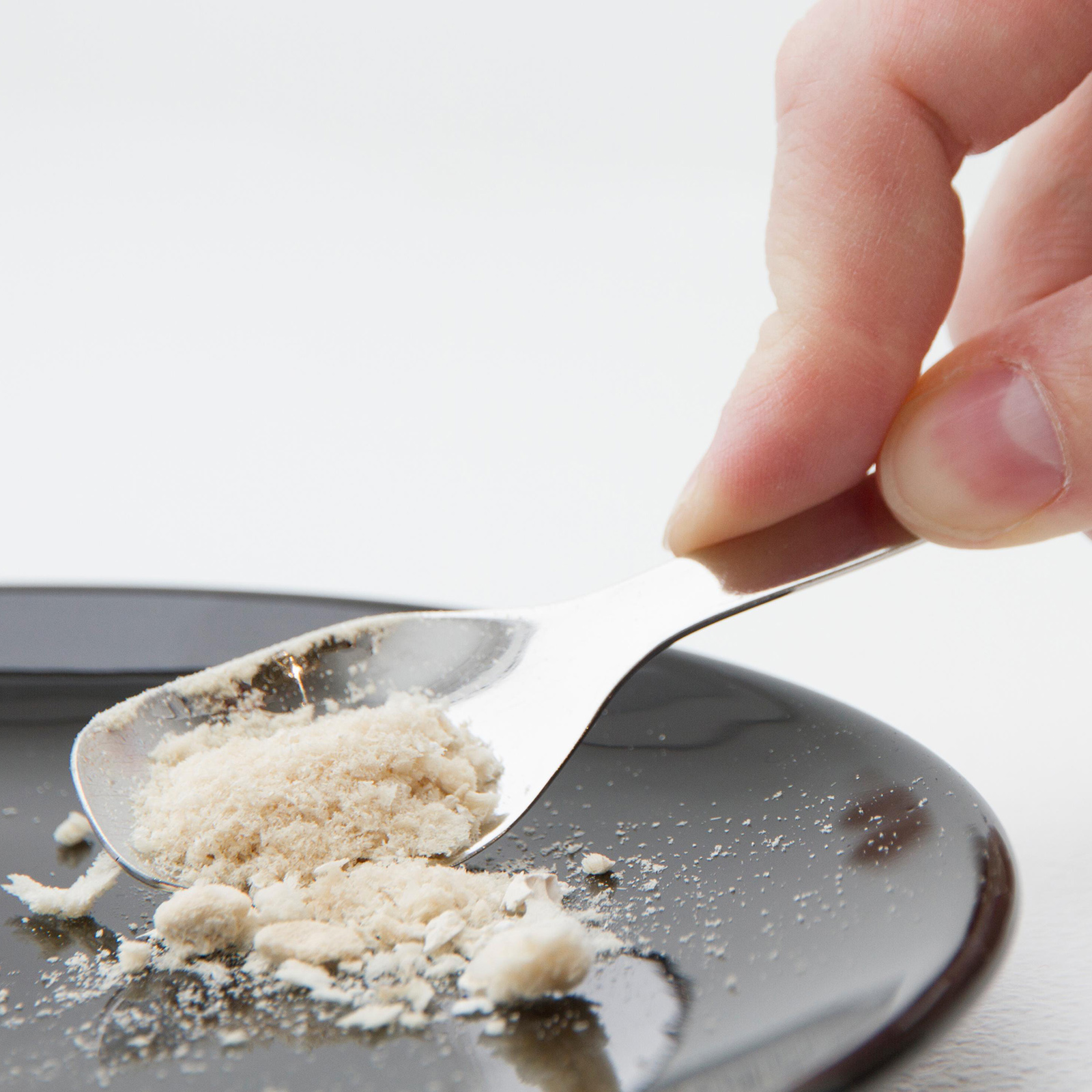
Besides not requiring arable land, this is one of the key aspects. Innovative technology project, its zero carbon footprint is an important fact given that a quarter of the carbon dioxide produced by humans comes from agriculture. In fact, its creators say their products are up to 100 times more climate-friendly than other foods. As available arable soil reaches its limits and the ocean suffers from overfishing, alternatives such as Solein are becoming increasingly important.
Synthetic food, the menu of the future?
research on the production of synthetic food It can be traced back to the space race when NASA looked into alternative carbohydrate production technologies in space. was assumed to produce methane. Methane is then converted to formaldehyde through an oxidation process. Formaldehyde is a component that can be used to produce sugars and glycerol.
Today, NASA-developed technology is a source of inspiration. solein protein, which primarily uses yeast and is complemented by other approaches that can create so-called experimental meats, especially through stem cells. All of them enable the development of new food sources in an increasingly densely populated world.
sauce: Guardian, Desiin
