











Coming home after a long day at work and cleaning out the fridge to make dinner, I found yet another zucchini wasted. The script, along with its variations, is repeated over and over again in millions of households in developed countries. It’s a dizzying number. According to FAO, he loses or wastes one-third of the food produced in the world each year. This means about 1.3 billion tons. There are several techniques to extend the shelf life of food, from modified atmosphere packaging to pasteurization processes, but perishable foods such as meat, fruit and vegetables require special attention. Therefore, to protect food, biodegradable packaging If possible, it has become one of the biggest challenges.For example, developed by an American company Algae-based edible bioplasticThe Cambridge Crops Approach is somewhat different—They created a protein-based coating.
This American company, in a joint project with the MIT Lab, aqueous biopolymer Fibroin is a protein produced by silkworms and spiders. The company plans to use the coating on fruits, vegetables, and even meat to extend shelf life. This reduces oxidation and preserves vitamins while minimizing microbial growth.
Not only does it reduce food waste, but this biodegradable and edible product also Minimize the use of packaging plastic Optimize food distribution. This means it can stay fresh longer in warehouses before reaching supermarkets. For example, apples can be stored for about two weeks, but the new coating allows him to double that figure, according to the inventor.
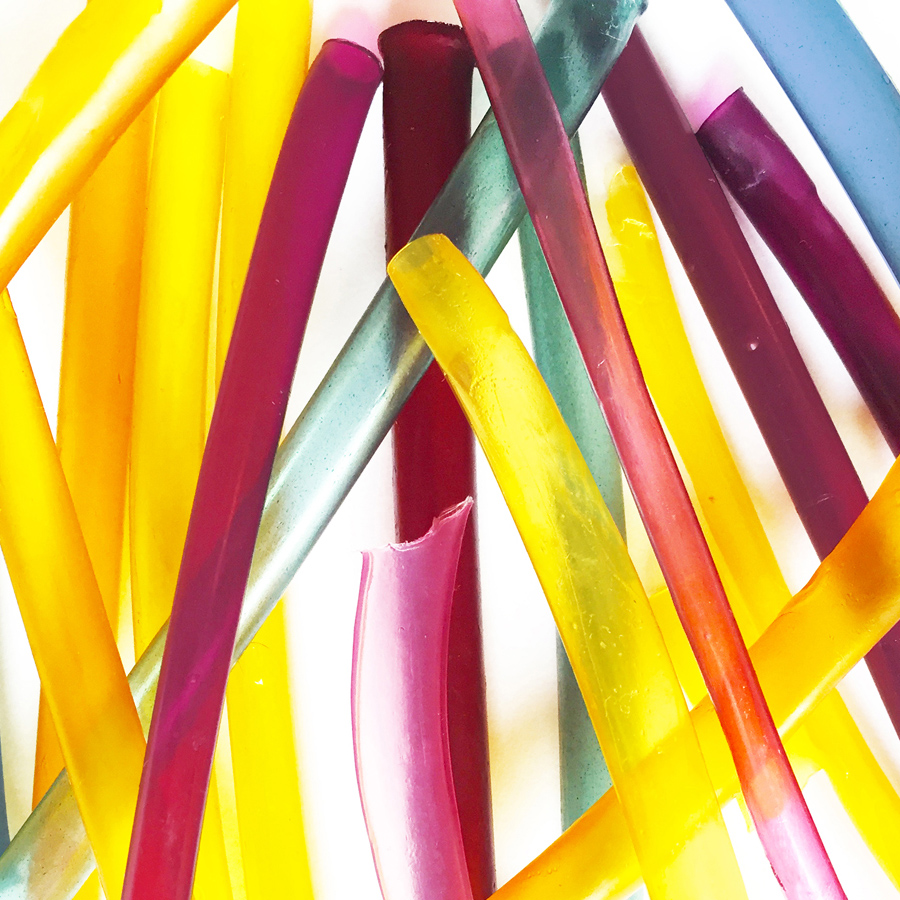
New alternatives to plastic: edible packaging and utensils
The food industry is exploring alternative options for eating as well as packaging plastic. We have created a range of edible seaweed based drinking straws. various flavors. Why not have a cocktail in a lemon-flavoured cup? That’s another option offered by the company. Ohoo is another startup that has embraced this. Algae for the production of plastic substitutes, provide edible bottles and capsules filled with water or fruit juice. The United States Department of Agriculture (USDA) then chose casein, a protein found in dairy products, to create edible, biodegradable packaging that protects food from oxygen more effectively than plastic. The University of Nottingham in the UK is also working on a package made from carbohydrates, cellulose and protein that is completely harmless to animals and humans when consumed.
sauce: american ino
