











Isaac Asimov is a prolific writer in the field of science fiction, best known for his three laws of robotics. They define the requirements for the fruitful coexistence of humans and robots. Robots always follow human instructions. The robot must avoid situations that hurt it. Asimov, one of his modern ecological pioneers, probably has one more thing to add today. Robots do their best to take care of their environment. Will scientific and technological breakthroughs be the key to achieving this?
This is the approach of the University of Leeds in the UK, which carried out a process called ‘horizon scanning’. So in this case it’s a kind of scientific prediction by interviewing her 100 scientists around the world. The first approach was to establish the goals and threats of Robotics and Autonomous Systems (RAS) in achieving the United Nations Sustainable Development Goals (SDGs).
What SDGs will robots and autonomous systems impact?
A survey of scientists whose results were published in the journal Nature showed that 58% believe: Autonomous tasks that transform natural and man-made environments You can contribute to the achievement of the SDGs in your specialized field. Examples mentioned by experts include crop production, aquaculture management, food processing and packaging, waste management, invasive species eradication, and water management.

78% of experts believe SAR will make a difference in: Monitoring and data collection Support decision-making that impacts the SDGs. Aspects such as resource allocation, wildlife, water quality and illegal fishing are mentioned here. Additionally, these systems are believed to help the public sector plan more effectively.
In addition to other positive aspects, such as fostering innovation with the SDGs, scientists also identified some threats. These include lack of access to RAS, rapidly changing labor markets, and growing inequalities due to impacts on biodiversity. Therefore, 51% see rising inequality as one of their biggest threats. However, in general, no SDGs are considered to be negatively impacted by RAS, with three-quarters of respondents believing that the impact will be positive.He has seven SDGs.
The rest of the research focused on identifying ways in which RAS can positively impact the SDGs. The very act of introducing sustainability criteria into development and implementation is important, as is cooperation among all stakeholders to minimize negative impacts.
Towards sustainable robotics in the real world
Fundamental advances have already been made in robotics applied to sustainability, beyond scientists’ predictions. Here are some of the most exciting.
- Drones to fight air pollutionA recent MIT student program worked on a drone solution to patrol cities and measure air pollution. This makes it possible to map problem areas much more reliably than traditional static stations.
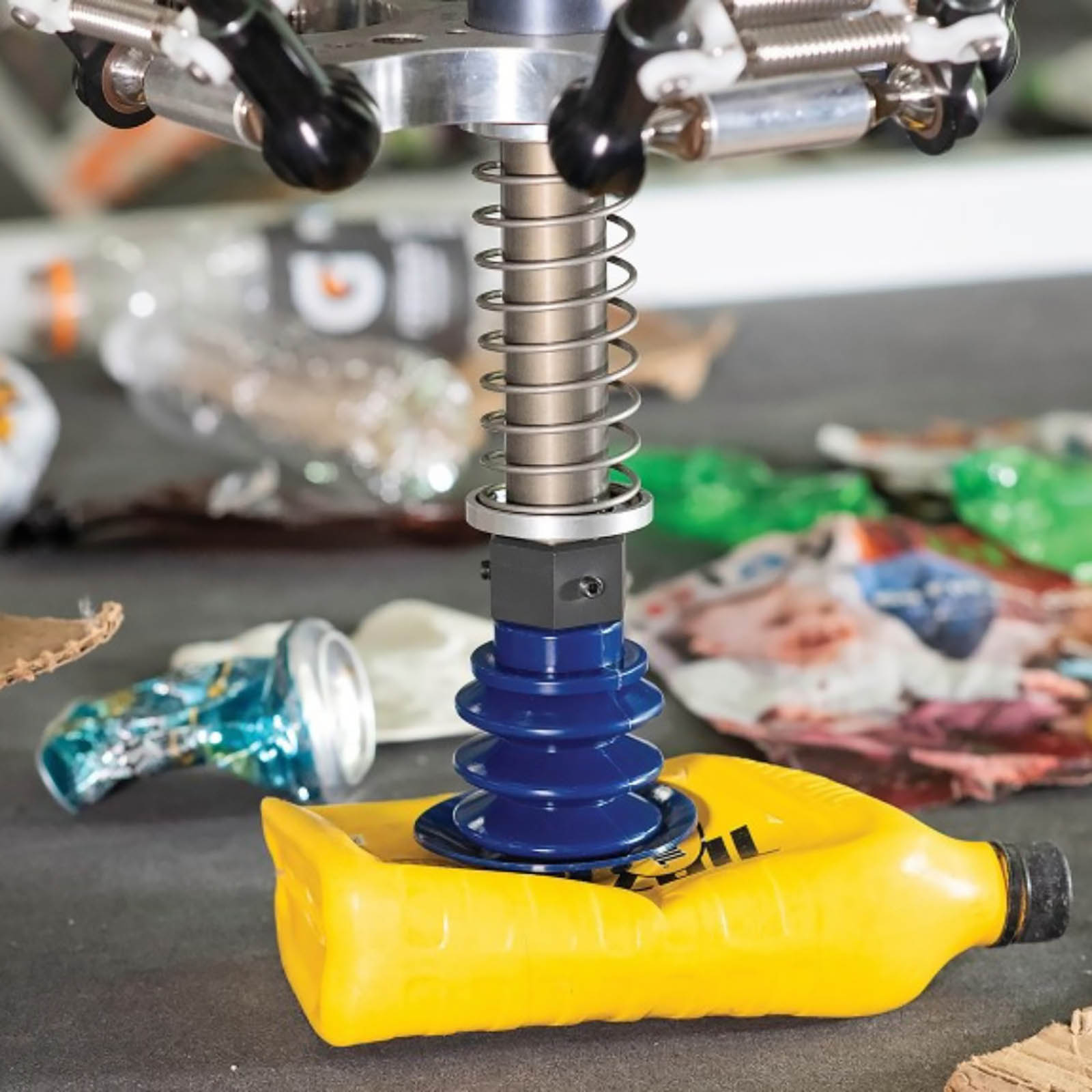
- Robotics applied to recyclingWe have already discussed the application of robotics and AI to waste disposal. Using artificial vision, robotic arms, and AI to detect different types of waste promises to improve the efficiency of these processes.
- sea cleaningMarine pollution is one of the biggest environmental problems. Fortunately, projects like SWARM are laying the groundwork for using self-driving cars to monitor and remove underwater debris.
- A robot that studies sea lifeSticking to the underwater world, autonomous robots like the one mentioned in this article would open up new possibilities for the study of sea life. This is because they can study remote areas over long periods of time.
- robot farmThe use of robots and hydroponic crops will increase crop productivity and shift production to urban environments. That is the goal of this robot farm that I talked about earlier.
Robotics and artificial intelligence have a lot to say in the field of sustainability. Together with renewable energies, they are poised to be one of the cornerstones of a greener economy and a powerful tool to combat climate change.
sauce:
