











Anyone who has been run over by an animal knows how traumatic the experience can be, especially for the animal as well as the driver. In the United States alone, one million vertebrates die each year in vehicle collisions. Therefore, roads and highways become enemies of wildlife.
Moreover, death is only part of the problem. Species have trouble migrating, breeding, or finding other feeding grounds, known as habitat fragmentation. This is what happened to the mountain lion population in Los Angeles. In addition to the car accident, the inability to move to other areas forced inbreeding. It was the starting point for a great construction project: The world’s largest wildlife bridge.
101 highway challenge
The mountains of Santa Monica, California, USA cover over 150,000 acres. These landscapes are home to natural parks roaming with rich animals including big cats, deer, snakes, lizards and other critters. The problem is you have to cross 101, he one of the busiest highways in the country.presumed to be part 300,000 units pass through that 10 lane every day.
Among all these animals is a feline nicknamed “Brad Pitt the Mountain Lion,” although local scientists prefer the more sterile name P22. The animal has become a mascot for the area and has inspired several murals and songs.It has also raised public awareness of the plight of mountain lions. Over the past 20 years, About 20 specimens died after being run over by 101a very high figure given that there are only a dozen specimens left in the area
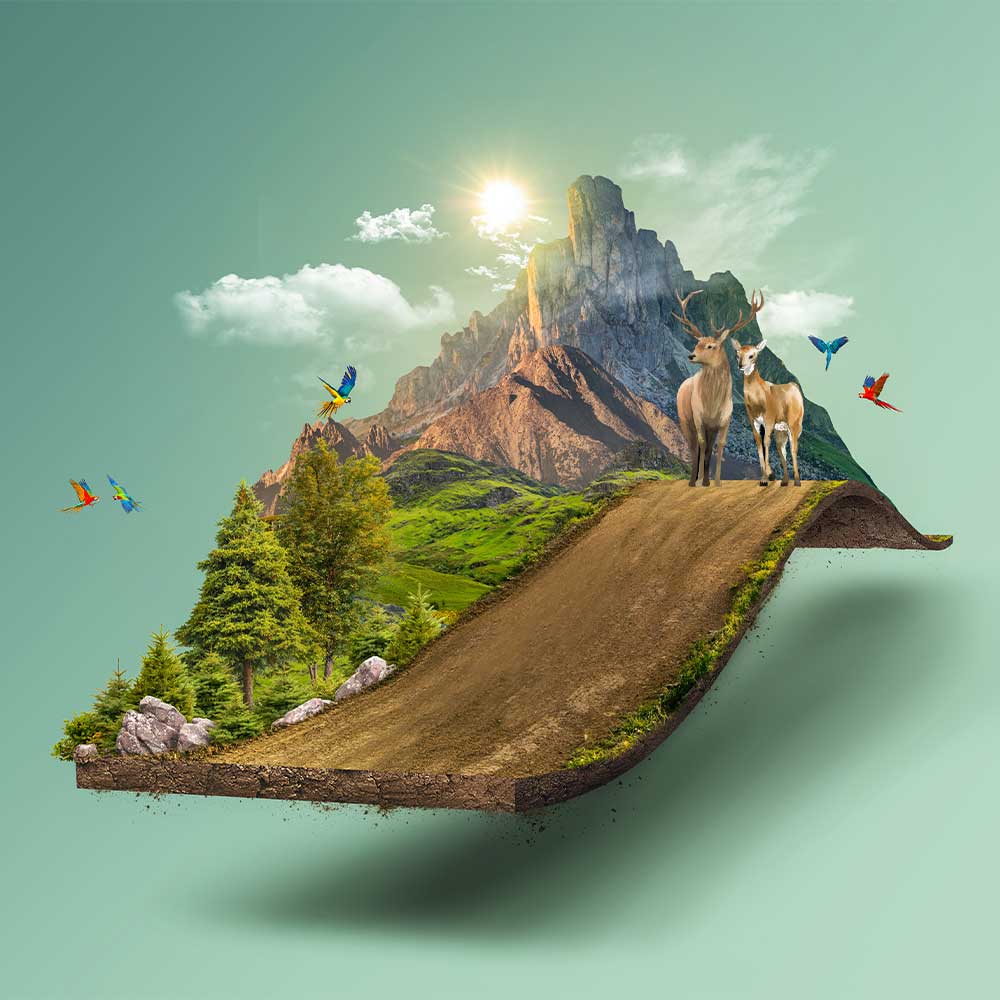
Wallis Annenberg Wildlife Crossing
At this starting point, public and private funds began to be raised to finance the new Animal Bridge. The total cost of the infrastructure known as the Wallis Annenberg Wildlife Crossing is $90 millionWork started on World Earth Day, 22 April 2022, is expected to be completed by early 2025. The result? At 210 feet long and 165 feet wide, the world’s largest wildlife bridge or viaduct. However, size is not unique.
From the outset, the bridge, developed by a studio specializing in sustainable architecture, was conceived as an integrated solution with the landscape. Often this type of railroad crossing is constructed of concrete and serves only as a place of passage. In contrast, the Wallis-Annenberg Crossing not only allows animal crossing but is also covered with dirt, which adapts to the local vegetation.
Part of the preparation for the project consisted of surveying the terrain and vegetation of the area to establish continuity. It involves experts from various fields, including mycology. Once completed, it slides into the surrounding natural landscape.
Protect wildlife on land, sea and air
While colliding with animals on the street is a challenge on the ground, air dwellers also face challenges. The American Ornithological Society (AOS) Up to 1 billion birds die each year in the U.S. from collisions with building windows, especially glass skyscrapers. Given these figures, cities such as New York have already approved directives mandating the installation of glass to prevent this accident in future buildings.
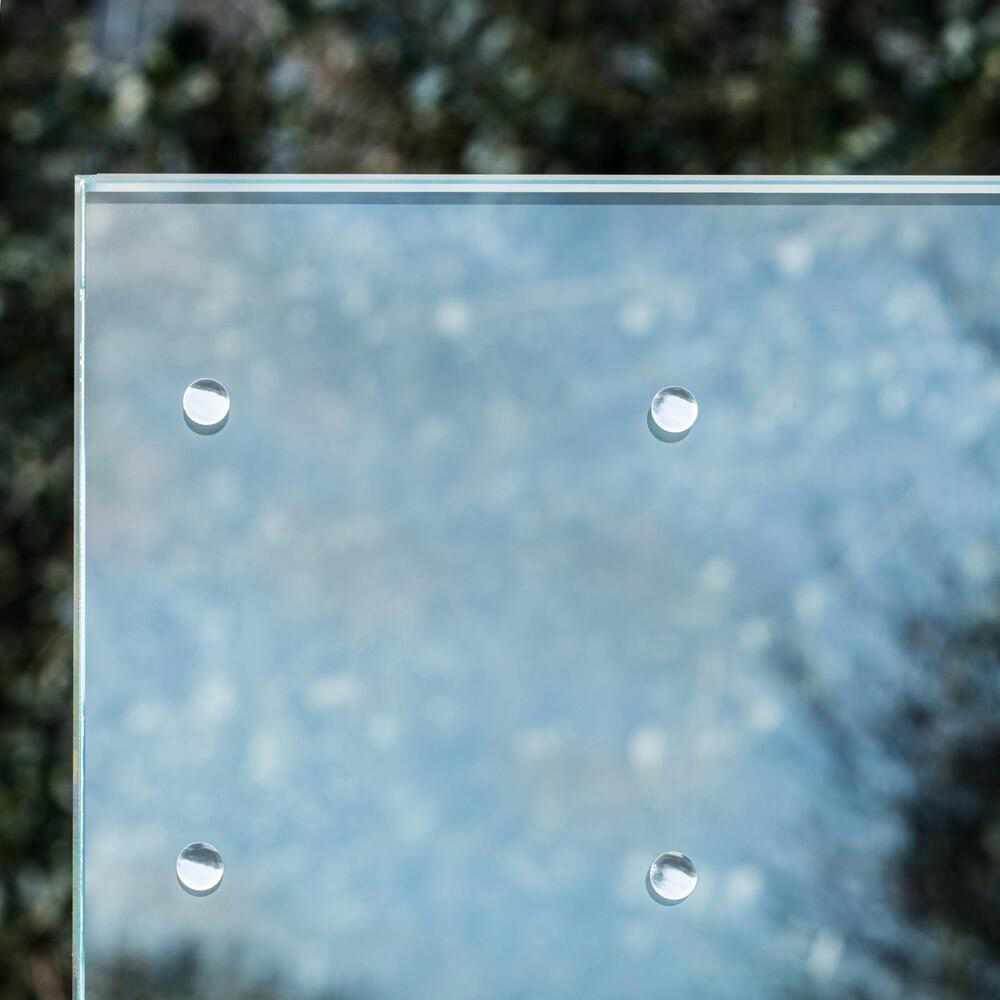
Until now, the main way to avoid these effects has been to apply UV filters and mark the glass, which was ugly.Luckily, a US manufacturer developed new type of glass It incorporates tiny “beads” that look like birds. They are 90 mm in size and evenly distributed on the inner sheet of the glass pane. It is also compatible with other window handling.
Water bodies also face architectural barriers. One example is fish species that migrate upstream each year to spawn, such as salmon, and the presence of dams can disrupt these migrations. How can this be resolved? Several alternatives are being considered. One of the most impressive is this salmon ‘elevator’ installed in dams in northern Spain, especially the Nanza River in Cantabria. Additionally, an old fishway has been refurbished for descent so that this species can complete its biological cycle.
Undoubtedly, one of the challenges of the future is to move towards more wildlife-friendly construction through architectural solutions and increased urban green space. One of the most striking examples of vegetation integration I’ve seen recently, outside of Los Angeles’ Wildlife Walkway, is the use of tree roots and branches to create living urban elements such as bridges and sidewalks. In this article botanist.
sauce:
