











A few years ago the main question was what blockchain and bitcoin were, but today how far can we go. Blockchain application It proliferates by leveraging features such as decentralization, security, and immediacy.
I’mnovation-Hub has no crystal ball, but everything points to blockchain as a phenomenon with wide-ranging consequences.at least it is Gartner says in its 2021 report on blockchain:titled “Action Over Hype”.
This article describes four of them. Most Important Blockchain Applications And, in addition to the hype, whether there are any concrete implications:
- Cryptocurrency as payment system
- DeFi: Decentralized Finance
- NFTs as proof of digital ownership
- Blockchain use cases in supply chains
Cryptocurrency as payment system
Bitcoin is First blockchain applicationThe first cryptocurrencies were breaking records while banks and investment funds looked on sideways. It recently hit an all-time high of $60,000 and became part of Wall Street’s first crypto exchange-traded fund (ETF).
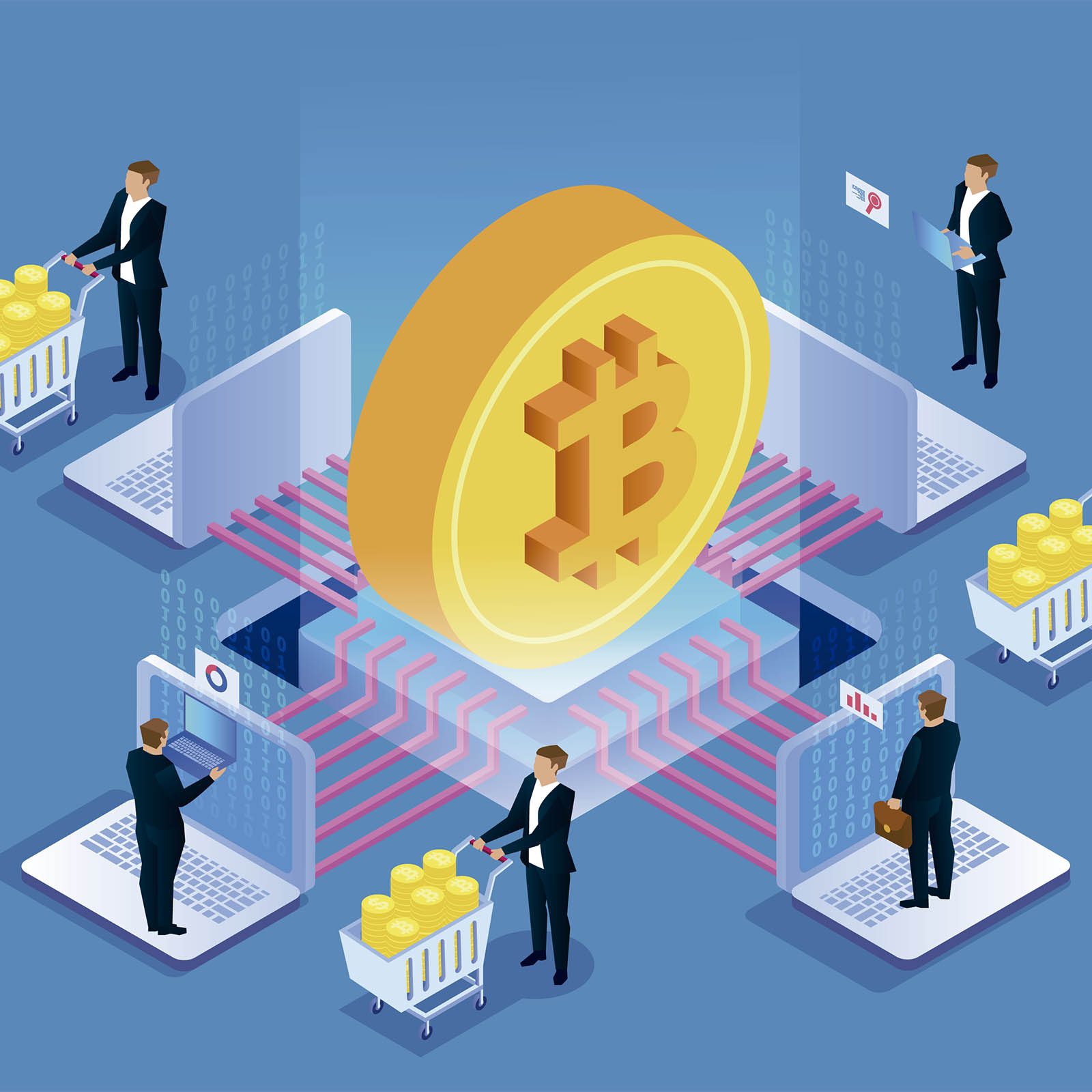
Additionally, countries such as El Salvador and the Marshall Islands use their own or existing cryptocurrencies. official currencyHowever, it is still too early to assess its impact.
Meanwhile, other currencies such as Ethereum are emerging with technologies such as NFTs powering applications.
Of course there are some issues. Following Bitcoin and Ethereum, a number of dubious cryptocurrencies such as Dogecoin have emerged. But that didn’t stop their prices from skyrocketing.
Critics of these currencies also High Energy Consumption of Bitcoin MiningIn total, all Bitcoin farms in the world rank 61st in terms of energy consumption.
In conclusion, it must be said that cryptocurrencies are far from becoming a popular means of payment beyond being an investment vehicle. Therefore, Dell, Stripe, Tesla, or Microsoft have stopped accepting Bitcoin as a payment currency. High volatility and environmental impact.
Similarly, the World Bank has criticized transparency issues related to the implementation of Bitcoin in El Salvador.
DeFi: Decentralized Finance
If cryptocurrencies are not sufficiently prevalent as a means of payment, a financial ecosystem generated around blockchain would appear to be healthier.
DeFi, short for decentralized finance, has allowed new competitors to enter the circuit of exchanges and traditional venture capital funds. All this by reducing fees and speeding up operations.
Some blockchain DeFi applications look like this:
- Cryptocurrency trading platforms such as Coinbase
- Tokenization of equities (equivalent to synthetic derivatives or CFDs)
- micro credit
- Risk analysis tool
- payment solution
- Stablecoins (virtual currencies with low volatility and tied to physical assets)
In the process, the sector experienced exponential growth. By the end of 2021, the total value of this market was estimated at his $236 billion. Given the size of the numbers and the large number of existing applications, this does not appear to be a one-time event.
NFTs as Digital Asset Certificates
NFTs or non-fungible tokens are one of the most talked about applications. As discussed in this article, it is becoming a trendy digital asset certificate for the purpose of selling art and memes.

This type of token is based on the Ether Blockchain technology and is rapidly being adopted in areas such as esports, play-to-ween games with real asset value, and copyright in works of art and music.
It promises to be one of the keys to the Metaverse, a concept that the company formerly known as Facebook has wholeheartedly embraced. Thus, users of this parallel reality trade digital assets and obtain proof of ownership.
NFTs are on an upward hype curve, but only time will tell what the impact really is.For now, publications such as Forbes believe it is a phenomenon Integrated and already having a structural impact.
Blockchain applications in supply chains
Supply chain and blockchain were destined to understand each other. and the key is Business traceability.
In the case of cryptocurrencies as a means of payment, if many companies jumped off the bandwagon, the supply chain trend would be reversed. For example, large companies such as Walmart use this technology for shipping goods and tracking payments.
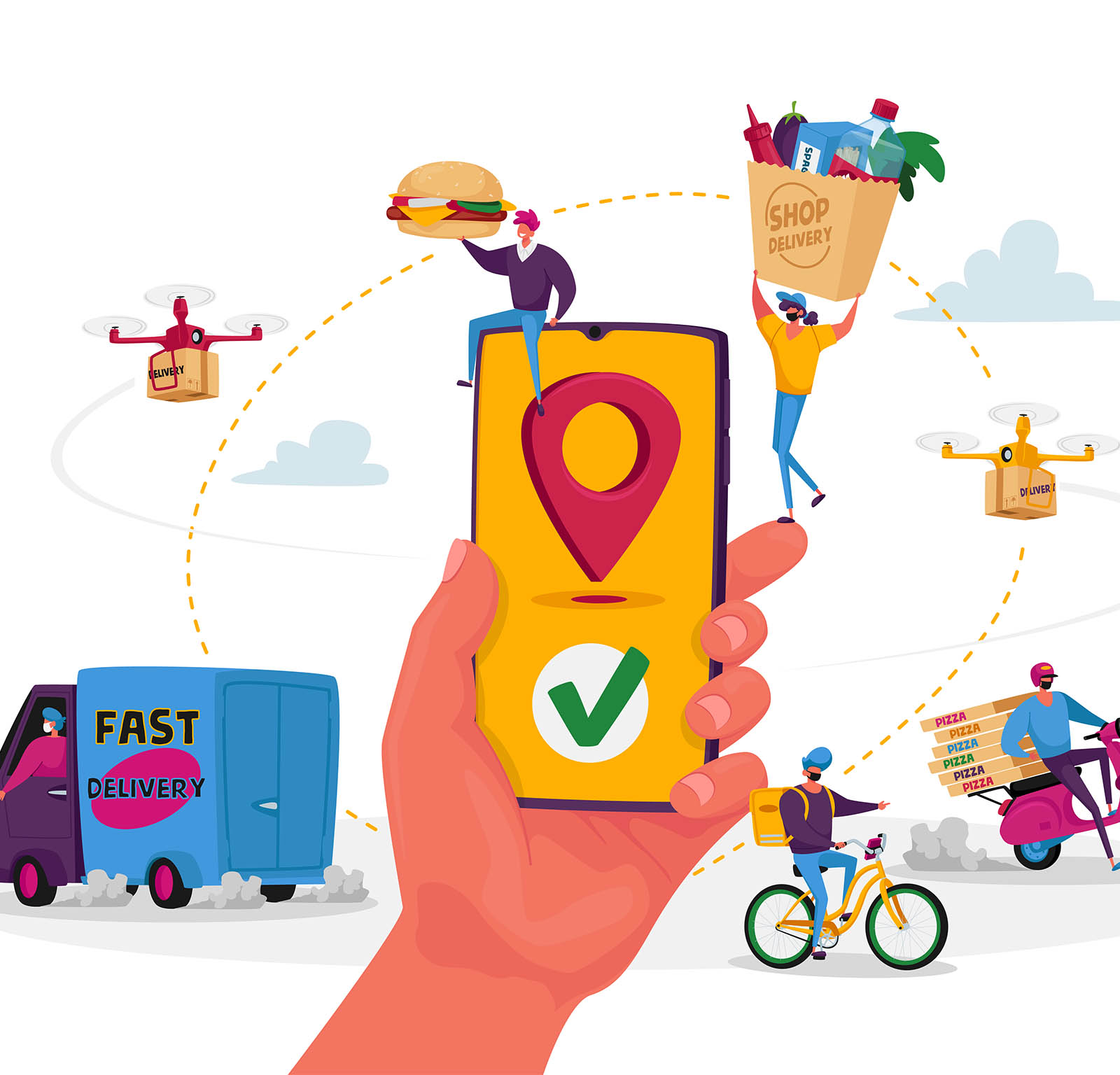
A US company applies a blockchain system to its network of 400 shopping malls in Canada. This means that all deliveries of goods, transactions between carriers and stores, and all payments made are recorded in real-time on the blockchain solution.
Covering half a million shipments annually, the platform reduces costs, accelerates payments, resolves disputes, and facilitates planning and budgeting. In partnership with Merck Pharmaceuticals, Walmart is conducting a pilot project for drug traceability using blockchain technology.
World leading carriers such as FedEx and UPS already blockchain project on their platform. Meanwhile, Nestlé tracks raw materials and verifies their sustainability using a blockchain platform called OpenSC.
In addition, consulting firm International Data Corporation expects that by 2023: 85% of global container traffic is monitored by blockchain.
Meanwhile, new blockchain-based platforms are also making headlines for renewable energy traceability. An example is GreenH2chain®, ACCIONA’s blockchain platform for validating the value he chain of green hydrogen and its renewable origins.
Simply put, the rapid evolution of blockchain solutions makes it impossible to present a uniform picture. What is more feasible is to speak in terms of trends, as Gartner does.
In that sense, some blockchain applications already appear mature. Over the next few years, many uncertainties will clear up as large companies, especially central banks, begin to take their positions.
sauce: Gartner, Forbes, The Loadstar, Swiss Info, https://www.bbc.com/news/business-57507386
