











In this article you will find:
What do a 15-year-old meme, a sub-minute clip of a singer, and a collage covering 5,000 days of an artist’s work have in common? Well, three letters: NFTs (Non-Fungible Tokens).Or, in other words, to blockchain applications art sale and digital assets in general.
The meme we mentioned is the famous Fire Girl, which sold for $500,000 at auction this year. A clip of the singer belongs to Grimes, who auctioned it along with her other works of art. And the collage was her Everydays: the First 5000 Days by artist Beeple, which broke all records and became the highest paid artist in existence. They were all marketed as NFTs.

What are NFTs?
If you’re not familiar with speed, review it here.if you know How blockchain technology works, it is about blocks verified by a network of nodes that become part of the chain. This chain has a “memory” where all the operations performed are stored. It’s decentralized, so it’s almost impossible to fake.
Cryptocurrency is one of the major applications of blockchain, but each one is interchangeable with the other. Bitcoin is a currency that has the same value and properties as another Bitcoin. It is, so to speak, a substitute good. But NFTs are a little different.by relying on Ethereum blockchain technology, a layer of data is added to that block so it can contain references to assets and their owners. And there lies the key to the boom in the art world.
What are your advantages in the art world?
in the case of Blockchain applied to art, Beeple’s NFT owners are listed in the characteristics of its tokens and acquired works.In other words, what was previously infinitely reproducible is now become a unique assetA pillar of this ecosystem is therefore a new type of digital asset certificate, anti-counterfeiting.
Thereafter, although not required, the purchaser may receive a specific digital version of the work. In the case of Beeple’s collage, it’s a 319 GB high resolution image of him that the buyer has put up in the Metaverse gallery.
Digital tickets are also available for those who want to see the exhibition. The metaverse needs its own article, but here we will focus on blockchain and art.
Unlike Beeple’s artwork, buyers of the aforementioned meme got the exact image they see in their browsers. The only nuance is that you are not the official owner.
So what happens when NFTs are sold? In the case of Beeple, the artist has not surrendered the copyright. Consider that a publisher publishes a book, even though the author belongs to the writer.Therefore, every time a new NFT is sold in the future, the author will receive a portion of the proceeds.
Given these factors, it’s understandable that this model is of interest to auction houses, art galleries, and artists.Between Key Benefits of NFTs in the Art Fieldwhich can be summarized as:
- They turn digital works into unique assets
- they protect art from counterfeiting
- Provide new revenue streams for digital artists.
- Artists can benefit from serial sales
- They can be associated with physical works, also called “phygital” art.
Where are art NFTs bought and sold?
As mentioned earlier, classic auction houses such as Sotheby’s were quick to jump on the bandwagon. However, this phenomenon has spawned new communities and specific marketplaces dedicated to the buying and selling of Art NFTs. Some of the names that have surfaced in the heat are Art Olin, Art Blocks, Async Art, BAE, CryptoArt.ai, EthBlock.art.
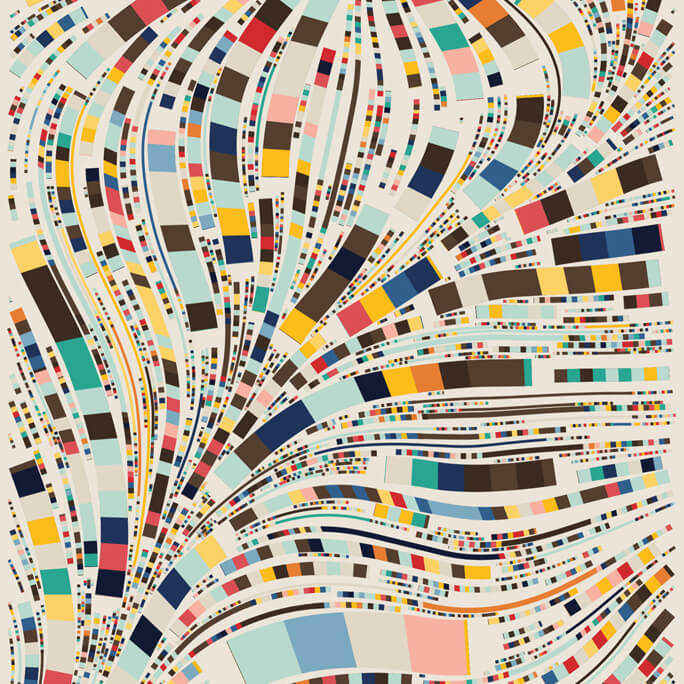
Not only that, but platforms like Art Blocks specialize in specific artistic expressions, such as algorithmic generative art. If you want to know what it is, there is an example at the end of the article.
Examples of blockchain applied to art
So-called crypto art is in its infancy, but there are already many examples of growing implementation and acceptance. Beeple is one of his pioneers, but multiple artists and even his gallery of art have followed suit with all sorts of initiatives.
Up-and-coming artist, former NFT
Beeple’s work story is considered the beginning and end of the NFT bubble while making headlines. Never again has anyone dropped nearly $70 million for tokens on artwork.
What is happening is new generation of artistsAt just 12 years old, Ahmed is breaking price records.
Other new names on the scene are Jaiden Stipp and Victor Langlois. They are artists who enjoy network repercussions, skipping the galleries, dealers and auction houses.
These artists upload their work to platforms such as SuperRare, where they “tokenize” and sell their work, leaving out the cocktails and canapés portion.
Museum on the rise
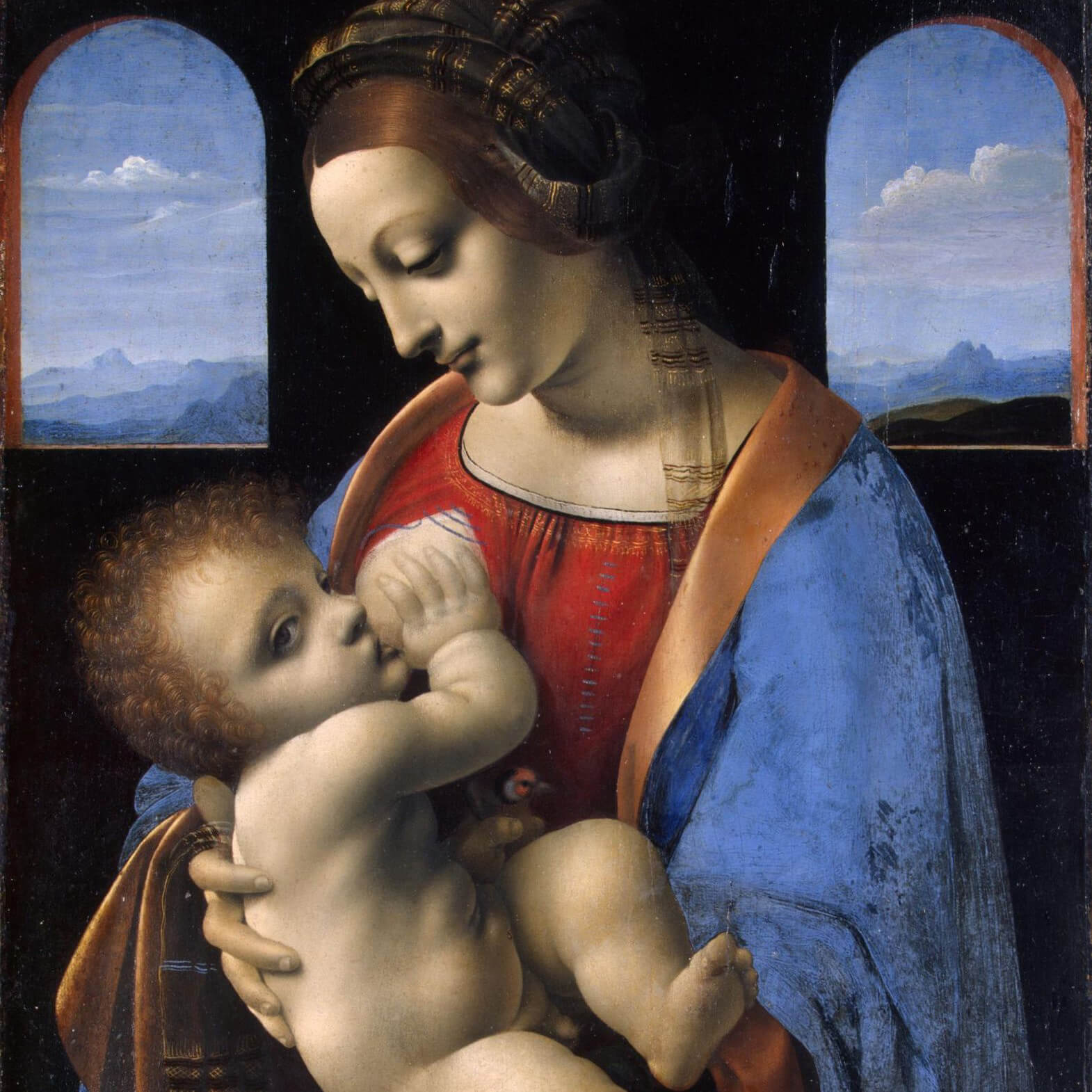
However, NFTs do not necessarily have to reference digital artwork. A good example is the initiative of the Hermitage Museum in Russia.A famous museum opens NFT versions of Leonardo da Vinci and Van Gogh classicsNaturally, the purchaser does not hold the actual canvas, but in this case a token containing the signature of the museum’s general director, Mikhail Piotrovsky.
Another gallery that has joined the trend is Uffizi Gallery in FlorenceThe gallery houses immortal works by artists such as Botticelli, Caravaggio, and Michelangelo. In the latter case, his NFT in one of his recent paintings Sold for $170,000The sale was made to mitigate losses caused by the COVID-19 pandemic.
This type of initiative is called “phygital” art, a mixture of the digital and the physical. But if you want to learn about the latest trends in owning (and producing) pure digital art, read on.
Algorithmic Art: NFTs on Steroids
The world of blockchain as it applies to art may seem puzzling, but we haven’t heard it all yet. A recent fad is the application of NFTs. algorithmically generated art.
The author is responsible for defining initial parameters, elements to combine, and color ranges. Once this phase is complete, The algorithm recombines the elements Generate hundreds, sometimes thousands of combinations.
One of the most talked about cases is the Bored Ape Yacht Club. gallery of profile pictures (known as PFP) consists of 10,000 images. A Sotheby’s auction house has successfully sold part of a collection of 100 boring monkeys for his $24.4 million. Rival Christie’s also appears to be interested in holding a similar auction.
Art Blocks’ generative art platform also allows artists to upload algorithms to generate a limited set of works related to the Ethereum blockchain. And here we face a serious problem. If the NFT has Changed the concept of digital ownership of artwould the generation algorithm also change the notion of the artistic author?
sauce: The Verge, ArtNews, https://www.artnews.com/art-news/news/hermitage-museum-nfts-monet-leonardo-1234600031/
