











2022 has been a busy year, with many companies making significant changes to their smartphone lineups. 2022 saw the Midranger receive his 90Hz and 120Hz displays his panel, amazing fast-charging tech, new camera sensors, software optimizations and more. In this post, we’d like to take a closer look at some of the technologies we’re hoping to see improved across the board in the most popular low-end, mid-range, and high-end flagship phones.
Higher Refresh Rate Display on Midranger

2022 saw a number of mid-rangers and some low-end devices with LCDs with 90Hz and 120Hz refresh rates. While most smartphones have the new technology and performance to power those pixels, we’ve seen some devices notorious for not having such a high refresh rate panel. The most notable is the Google Pixel 6a. This is a great device and he one of the best budget phones in its category. But Google famously missed one key feature he was expecting in 2022.
Hopefully 2023 will be a much better deal than it is now with Google and others sourcing components better and offering the right display panel for your budget. I’ve had devices with high refresh rate displays like the Galaxy A23, M23 and M33, so they deserve some credit here.
OPPO, Xiaomi, OnePlus, and Motorola have all released multiple affordable devices with responsive displays. We expect this trend to continue and reach even lower-priced devices.
Faster Charging Standards and Adoption

Fast charging is used to indicate that the phone supports faster charging than current standards. This speed has been 18W for many years, but when compared directly to the charging technology used by OPPO, OnePlus, HUAWEI, HONOR, Xiaomi, etc., this is “slow”. These companies use the term “fast charging” for most of their affordable non-flagship devices, but they also support 65W and 30W charging speeds for most of their phones.
Xiaomi has gone one step further and announced a new 210W fast charging technology that can charge the Xiaomi Redmi Note 12 Explorer Edition in just 9 minutes.

Meanwhile, companies like Apple, Google, and Samsung are all lagging behind, making them the slowest adopters in the market. Apple supports 20W fast charging and Samsung supports 45W. This corresponds in time to a 25W fast charge. Google only supports 23W fast charging on the latest Pixel 7 Pro.
It’s clear that 65-66W fast charging has become the new standard by Chinese manufacturers, and we expect other companies to adopt this standard. to avoid misinforming consumers about charging rates and speeds, including devices that support new standards.
In 2023, charging rates by Chinese OEMs are expected to be even higher, even quickly exceeding the 300W mark, which could potentially charge a phone in under 10 minutes.
Wide-angle sensor optical image stabilization (OIS)

OIS has been in modern smartphones for over a decade, but since the wide-angle sensors came out in 2020, the technology has been missing from wide-angle sensors. Instead of supporting his OIS physical with wide-angle sensors, most OEMs are opting for a digital version. , which works fine most of the time. EIS (electronic image stabilization) has improved, but we’d like to see the actual sensor cancel out motion and smooth out image quality.
Improved under display camera

Under-display cameras have gotten a lot of upgrades over the past few years, but we can’t say that they can produce the same quality photos and videos as sensors placed on or above the display. The Galaxy Z Fold 4 uses an under-display camera that’s notoriously poor at image quality, and it’s one of the worst cameras when it comes to taking photos in low light. The image is blurry, contains a lot of noise and is not sharp.
In 2023, we expect to see a major upgrade to the algorithms that power these cameras. Right now, it’s fairly easy to avoid phones with UD sensors altogether, but that could change soon, as more companies are likely to switch after 2024 as technology improves.
Low price
Fortunately, prices have remained the same in North America for the most part. became. For example, the iPhone 13 Pro was priced at €1,160, while the iPhone 14 Pro launched at his €1,330. This is €170, or an increase of 15%. Poland saw an even bigger price increase, leading to a price increase of 25%.
While the current inflation and global conditions are unlikely to end anytime soon, we do expect some prices to fall slightly in the near future. Prices have already been high in recent years as OEMs have tried to improve their profit margins. The pandemic has made sourcing components and materials much more difficult, adding more fees and costs on top of already expensive devices.
What would you like to see improved in 2023? Let us know in the comments below!
Devices mentioned in the post
-
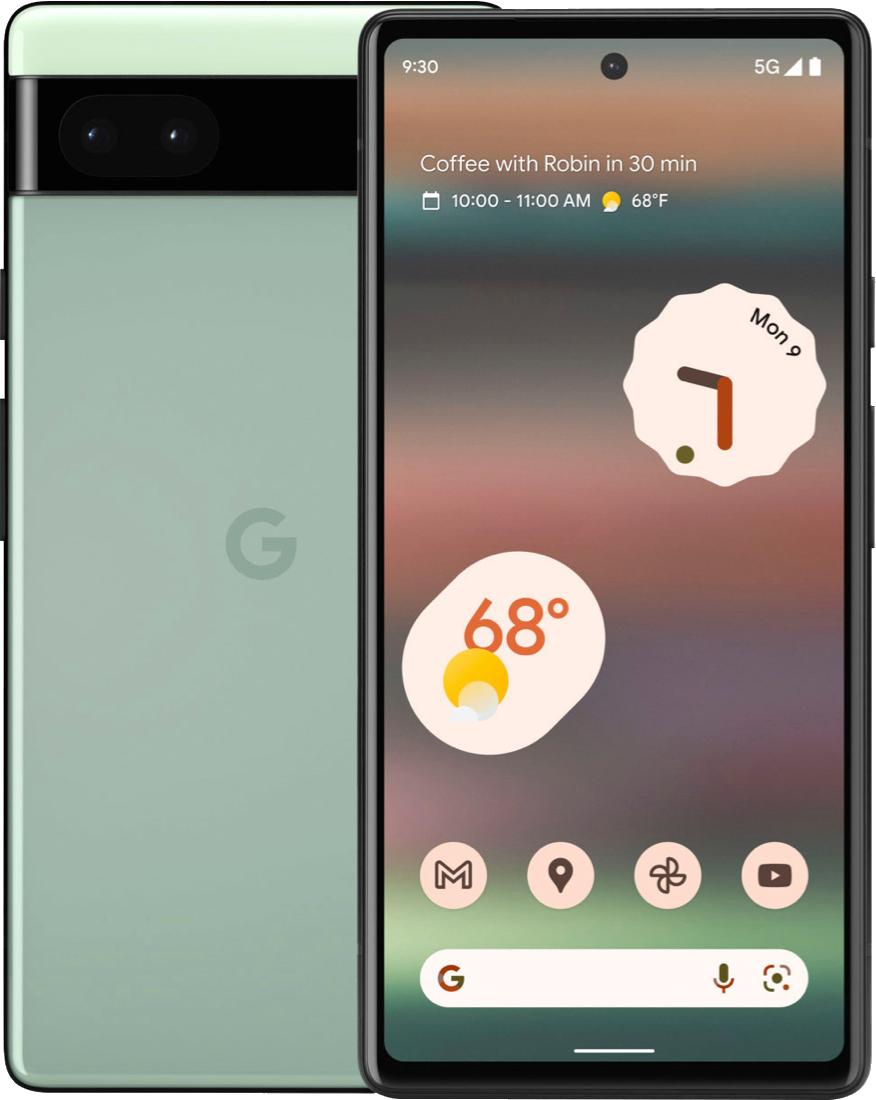
google pixel 6a
If you don’t mind high refresh rates, wireless charging, a glass back and a few other features, this should be your phone. It’s a Pixel, but it’s cheap. Check out all the deals on your device using the link below.
-
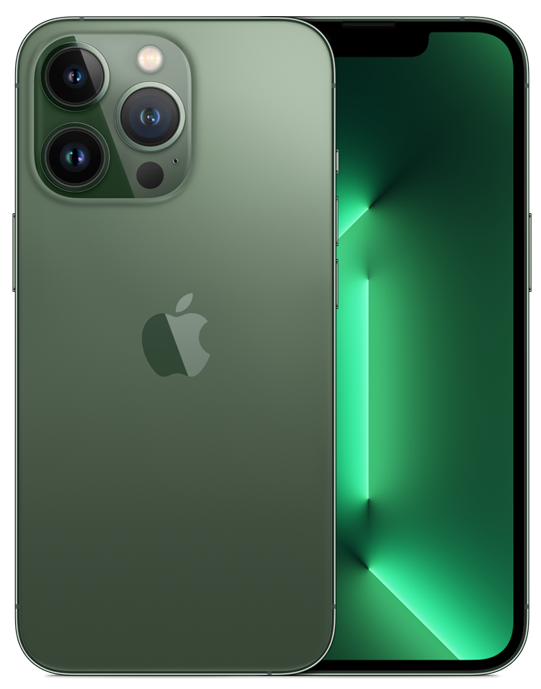
Apple iPhone 13 Pro
If you’re looking for a device that ticks all the boxes, has great battery life, a high refresh rate display, and takes breathtaking photos, this is the best iPhone money can buy.
-
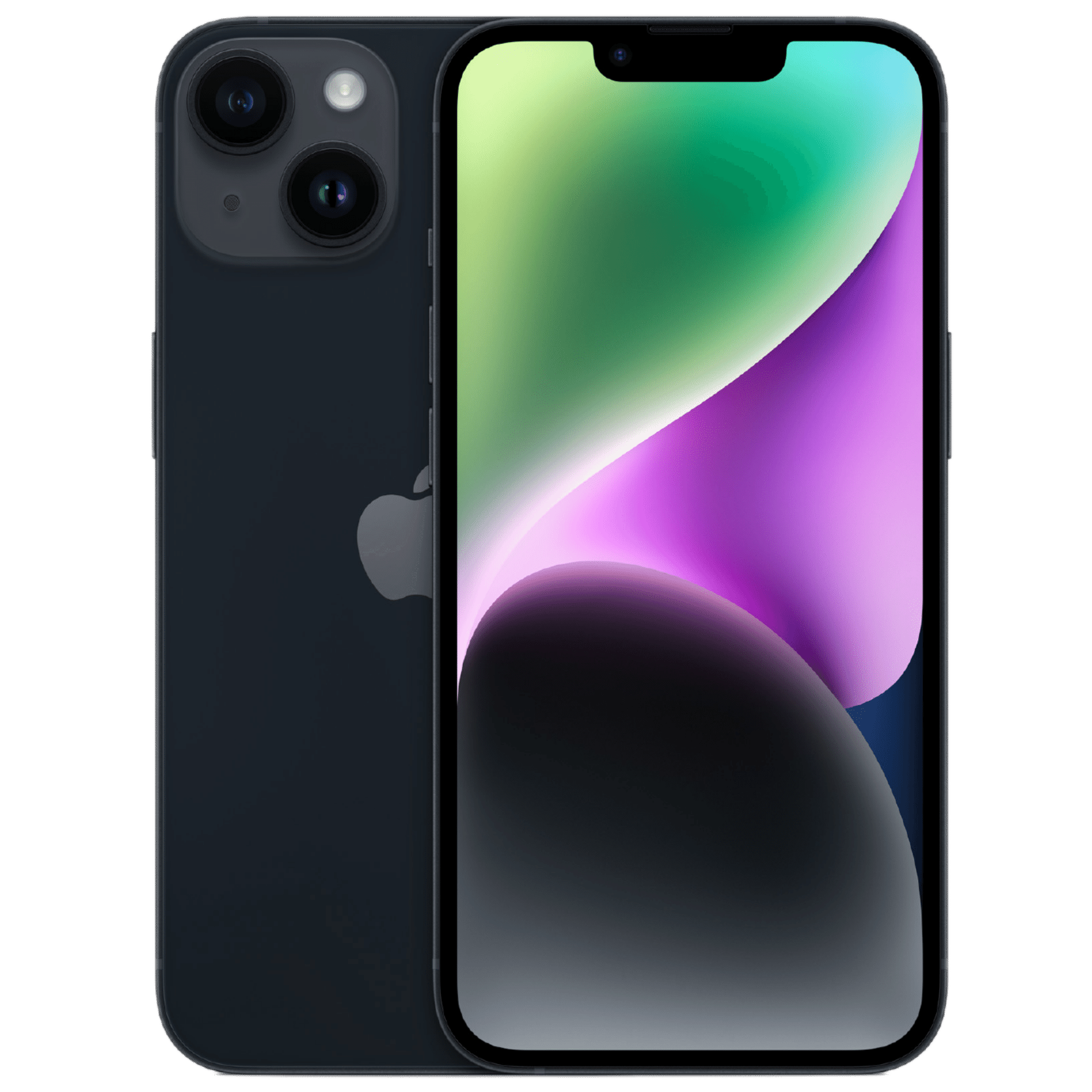
Apple iPhone 14
The iPhone 14 enters the market as the smartphone of choice when you want high-tier performance, great cameras, and battery life that will last you through the day.
-
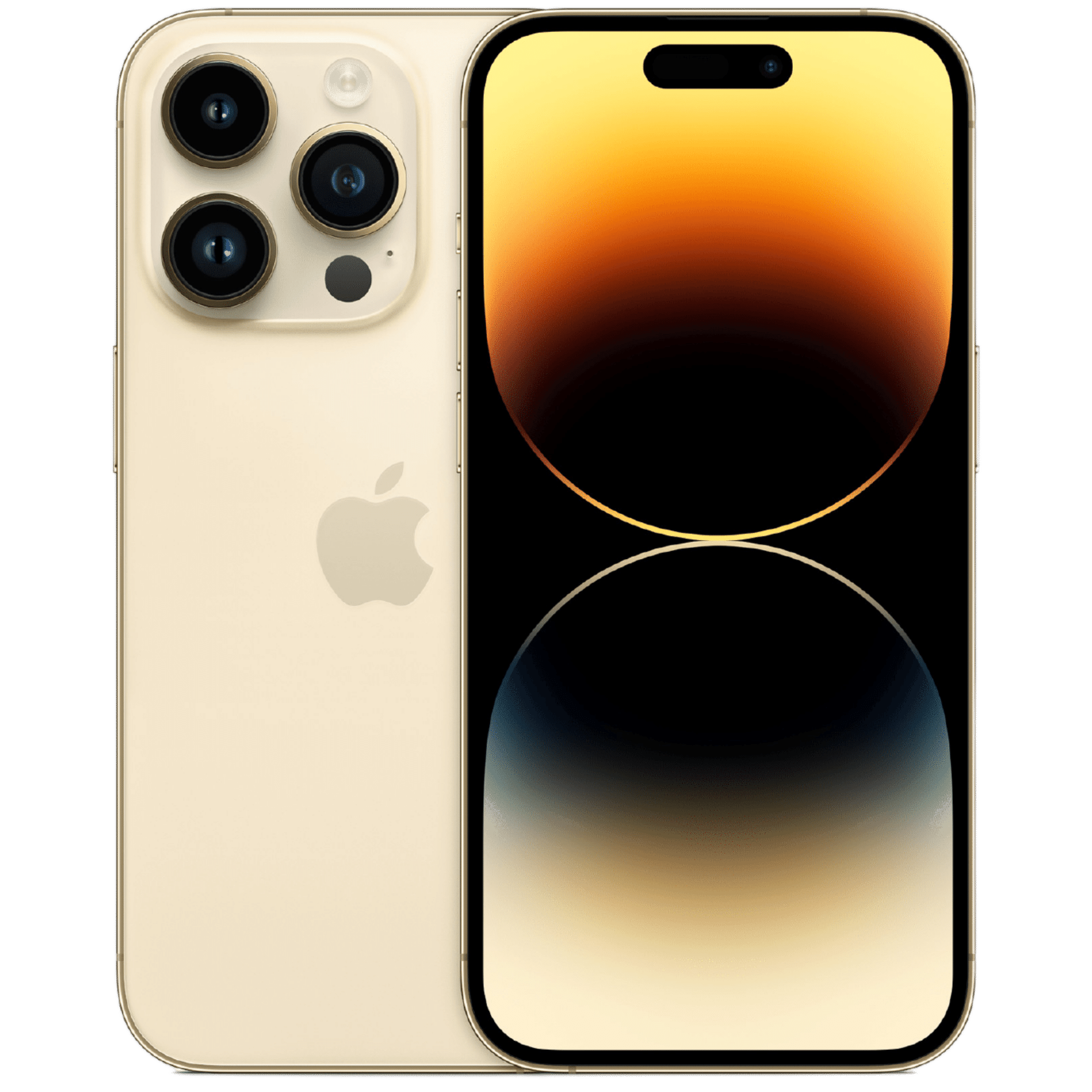
iPhone 14 Pro
The iPhone 14 Pro is the brand’s latest premium smartphone. It features a new circular ‘Dynamic Island’ notch, a 48MP primary camera sensor, an A16 Bionic chipset and more.
-
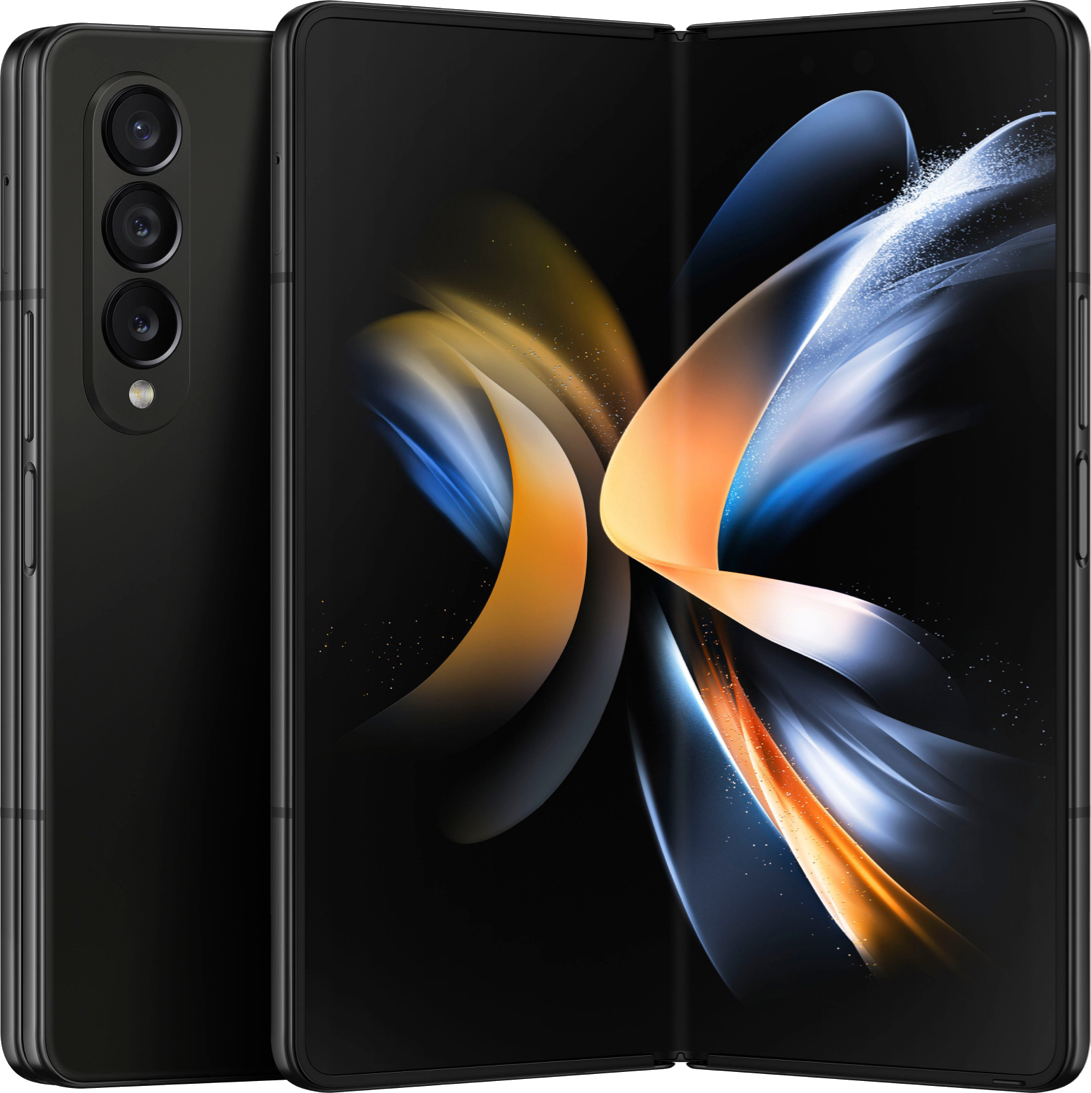
Samsung Galaxy Z Fold 4
The latest Samsung Galaxy Z Fold 4 comes with the most powerful Qualcomm SoC, wider display, better hinge mechanism and many significant upgrades over its predecessor.


