











Head over to Amazon (or Best Buy) today and search for smart TVs. You’ll find plenty of options from brands like LG, Sony, TCL, and Samsung, but there are two of his terms that are frequently mentioned in product titles and descriptions: QLED and OLED.
Are the terms QLED and OLED just fancy marketing terms for these electronics brands, or are there any real differences between the two technologies? We’ll explain the differences and help you decide which one best suits your needs.
QLED vs OLED: What’s the difference?
Before moving on to comparing OLED TVs and QLED TVs, let’s first understand the underlying technology behind these screen types.
What is organic EL?
OLED stands for Organic Light Emitting Diode. Unlike traditional LED TVs, which use a backlight to generate light, the pixels in OLED displays use organic materials to generate their own light. While it may not seem like an advantage in theory, the fact that OLED TVs can generate their own light gives them an advantage over other TV technologies.

Source: Viewsonic
One of the key advantages of OLED technology is the ability to produce deep blacks and high contrast thanks to the pixels producing their own light. Each pixel in an OLED display can be turned on and off individually, allowing you to extend the range of brightness and darkness in your images.
Additionally, OLED displays can be much thinner and more flexible than traditional LED displays, making them ideal for use in portable devices such as smartphones and laptops. There are other advantages as well, which are explained in the QLED vs OLED comparison below.
What are QLEDs?
QLED stands for Quantum Dot Light Emitting Diode. This technology is basically based on the same principle as traditional LED TVs, but uses layers of tiny semiconductor particles called quantum dots to produce a wider range and more accurate colors.

Source: Viewsonic
QLED TVs add a thin layer of quantum dots in front of the LED backlight. When light hits these quantum dots, they emit their own distinct colors of light. This light passes through several more layers, including the liquid crystal (LCD) layer, to create the final image.
Basically, it’s this layer of quantum dots that allows QLED TVs to produce great-looking images. This is because quantum dots can emit light at specific narrow wavelengths, allowing for more precise and accurate color representations. Overall, compared to traditional LEDs, QLED TVs have the ability to produce a wider range of colors and higher levels of brightness.
So what’s the difference?
Let’s take a look at the differences between QLED TVs and OLED TVs by breaking the comparison into different categories.
- contrast and black level: One of the main differences between the two TV screen technologies is the contrast and black levels they can produce. OLED TVs can produce deeper black levels than QLED TVs. This is mainly because each pixel in an OLED display can be turned on and off individually, allowing for a wider range of brightness and darkness in the image.
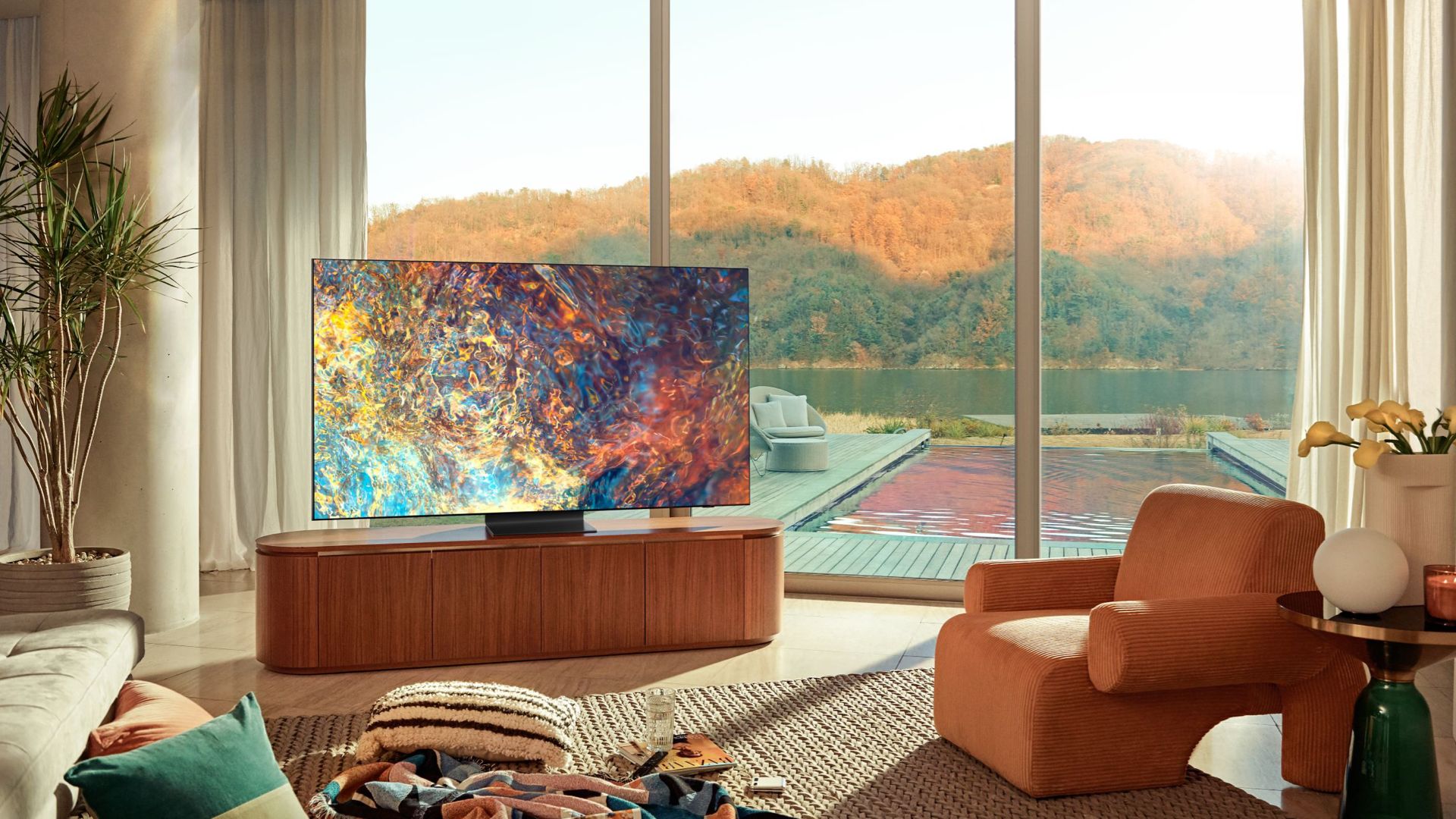
QLED displays, on the other hand, require a dimmed LED backlight to display dark colors. This can result in a loss of detail and true blackness in dark scenes. This is called “backlight blur”. However, technology is advancing now, and some of his QLED displays feature advanced local dimming technology that can minimize backlight bleeding and improve black levels, but OLED It may not match the black level of your display.
- Luminance: QLED TVs have their own backlight, so they can achieve a high level of brightness. OLED TVs, on the other hand, have no backlight, instead each pixel emits its own light. Therefore, OLED TVs may not be able to deliver as high a level of brightness as his QLED TVs.
- color reproduction: QLED technology is known for its ability to produce a wider range of colors and more accurate color reproduction than traditional LED displays thanks to its quantum dot layer. OLED displays also have good color reproduction, but may not be as good as QLED.
- reaction time: Both QLED and OLED displays have faster response times and less input lag, making them ideal for games and fast-paced action movies. However, the OLED display has a slightly lower refresh rate than his QLED, making it ideal for gamers.

- screen burn-in: Screen burn-in is the permanent discoloration of an area on your display caused by displaying the same static image for an extended period of time. OLED TVs are more susceptible to burn-in than QLED TVs due to the way they generate light. However, OLED TV manufacturers have implemented several measures over the years to reduce the risk of burn-in.
- durability: QLED displays are more durable and last longer than OLED displays. This is because quantum dots are very stable. This means that they can retain their color and brightness for a longer period of time than OLED displays. OLED displays have a short lifetime because the organic materials used in OLED displays can degrade over time.


|
Features |
QLEDs |
Organic EL |
|---|---|---|
|
Backlight |
Uses LED backlight |
Generates its own light, does not rely on external backlight |
|
black level |
enough |
Better than QLED |
|
color reproduction |
good |
Excellent |
|
Luminance |
Brighter than an OLED TV |
Lower brightness compared to QLED TVs |
|
screen burn-in |
Less risk of burn-in |
High risk of screen burn-in |
|
reaction time |
fast |
fast |
|
contrast ratio |
high |
infinite |
|
lifespan |
longer than OLED |
shorter than QLED |
|
power consumption |
medium to high |
low |
|
cost |
Usually lower than OLED TVs, depending on TV size |
Depending on the size of your TV, it is usually higher than a QLED TV. |
which one should i buy? OLED or QLED?
When it comes to choosing between a QLED TV and an OLED TV, the decision can be a little tricky as both technologies offer great picture quality and features. However, there are some important differences that can help you decide which one is best for you.
One of the main things to consider is your budget. In general, QLED TVs are more affordable than OLED TVs (which are typically $1,000 and up) and offer better value for money. Color reproducibility is high, and high levels of brightness and contrast can also be achieved. It also has a long lifespan and is less prone to screen burn-in.

OLED TVs, on the other hand, are known for their ability to produce deep blacks and high contrast. It also features a wide viewing angle, fast response speed, and low input delay. It is slightly prone to screen burn-in, but recent advances have minimized the risk of screen burn-in and made it less of an issue. It offers a viewing experience, but which one you choose ultimately comes down to personal preference and budget.
The best QLED TV on the market
-
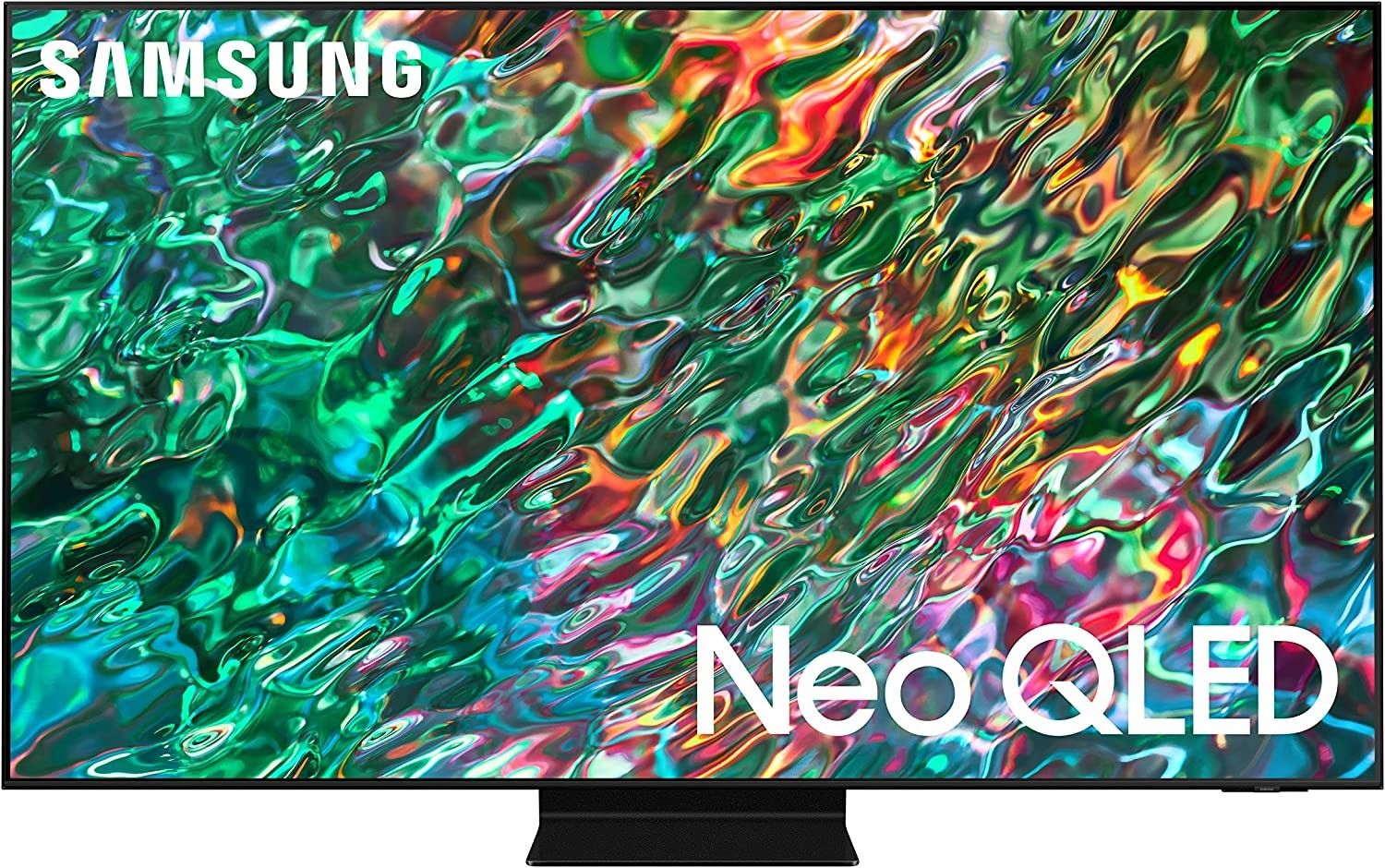
QN90B Samsung Neo QLED 4K Smart TV
The Samsung Neo QLED 4K QN90B Series Mini LED Quantum Smart TV features Quantum Matrix technology with mini LEDs, ultra-focused tiny light cells, the amazing Samsung Neo Quantum Processor 4K, and other great features. provides bright and intense images.
-
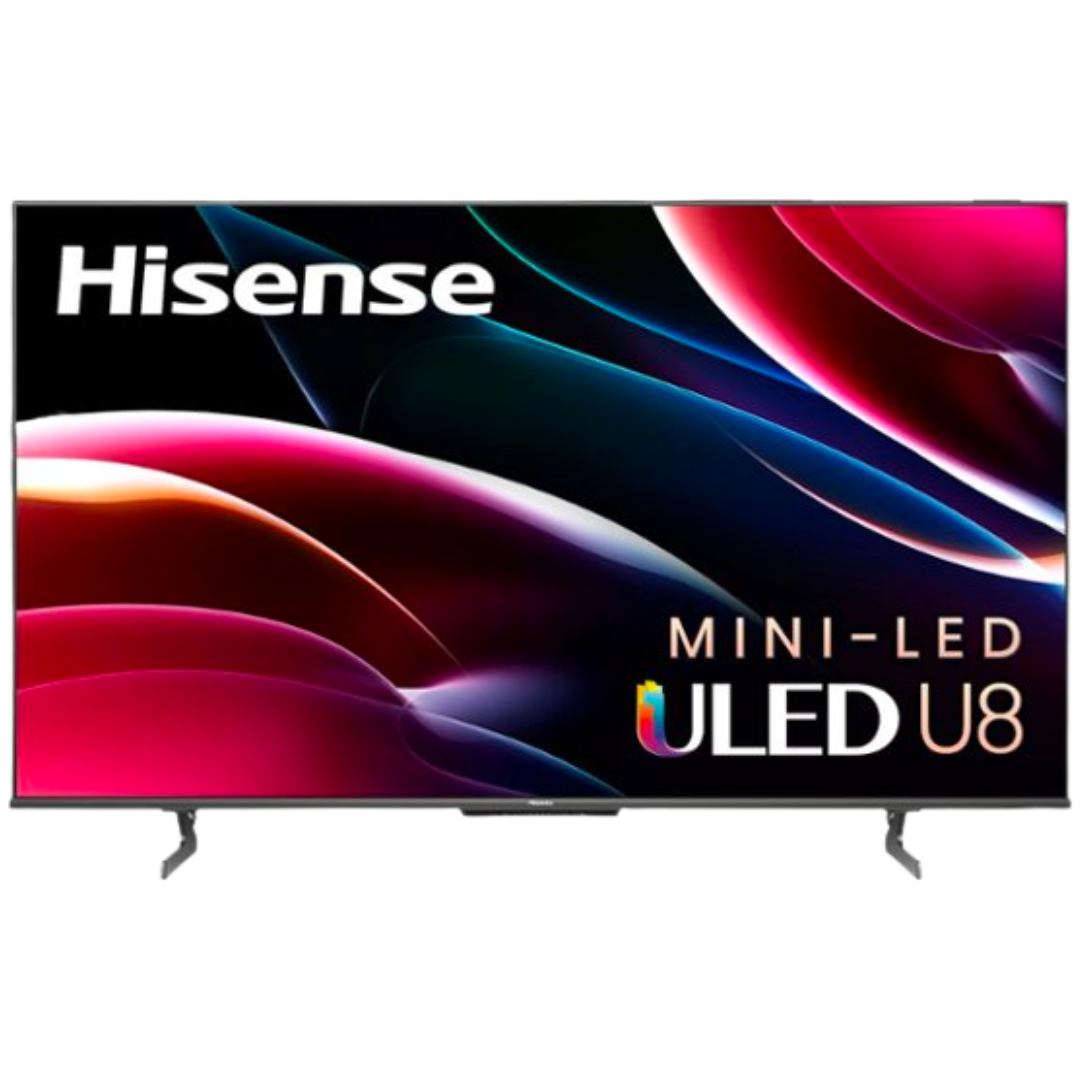
Hisense U8H Series 4K ULED TV
Hisense U8H is one of the most affordable smart TVs in 2022, making the U8H one of the best options. The U8H features a Mini-LED 4K panel with a 120Hz refresh rate and comes with Dolby Vision, Google Assistant and Alexa built in along with your favorite streaming services.
-
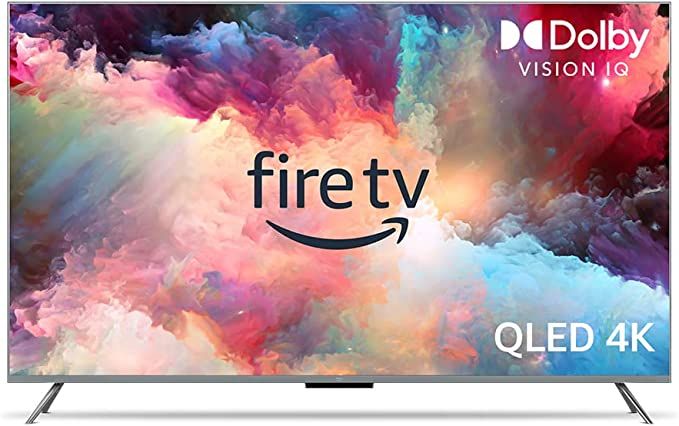
Amazon Fire TV 75 inch
The Amazon Fire TV 75-inch Omni QLED is a premium TV featuring a 4K Quantum Dot Display (QLED) for stunning visuals. With advanced HDR technology, scenes pop off the screen in deep, true-to-life colors, built-in sensors automatically optimize brightness for room lighting, and hands-free TV with Alexa for the ultimate You can build a home theater and connect all your devices with 4 HDMI inputs and HDMI eARC.
-
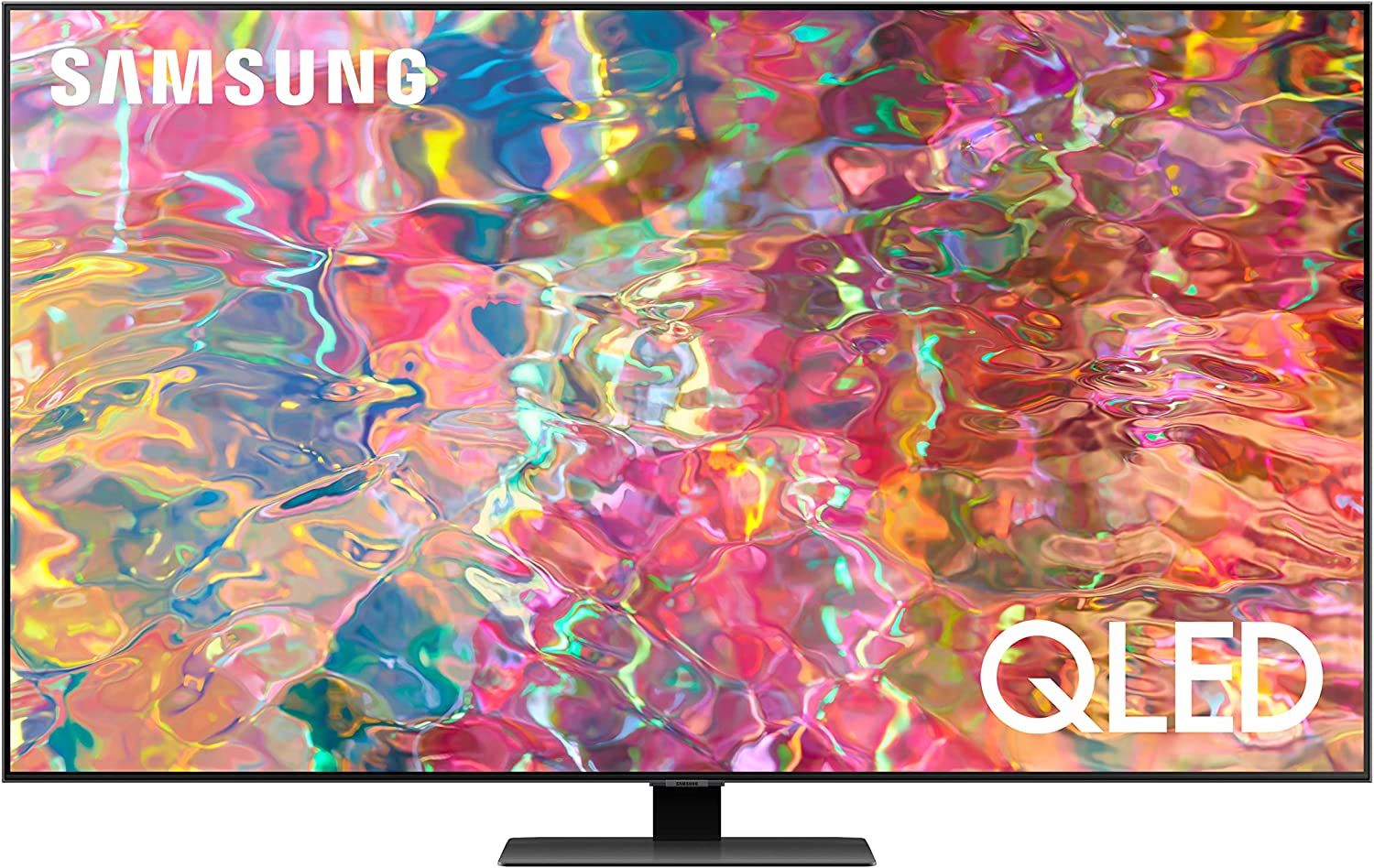
Samsung QLED Q80B Series Smart TV
Samsung’s QLED Q80B Series 4K UHD Direct Full Array Quantum HDR 8X Smart TV Comes with Xbox Game Pass and Alexa Built-in, So You Don’t Need a Game Console, Play Games on This Awesome Smart TV can. First 3 months are free.
-
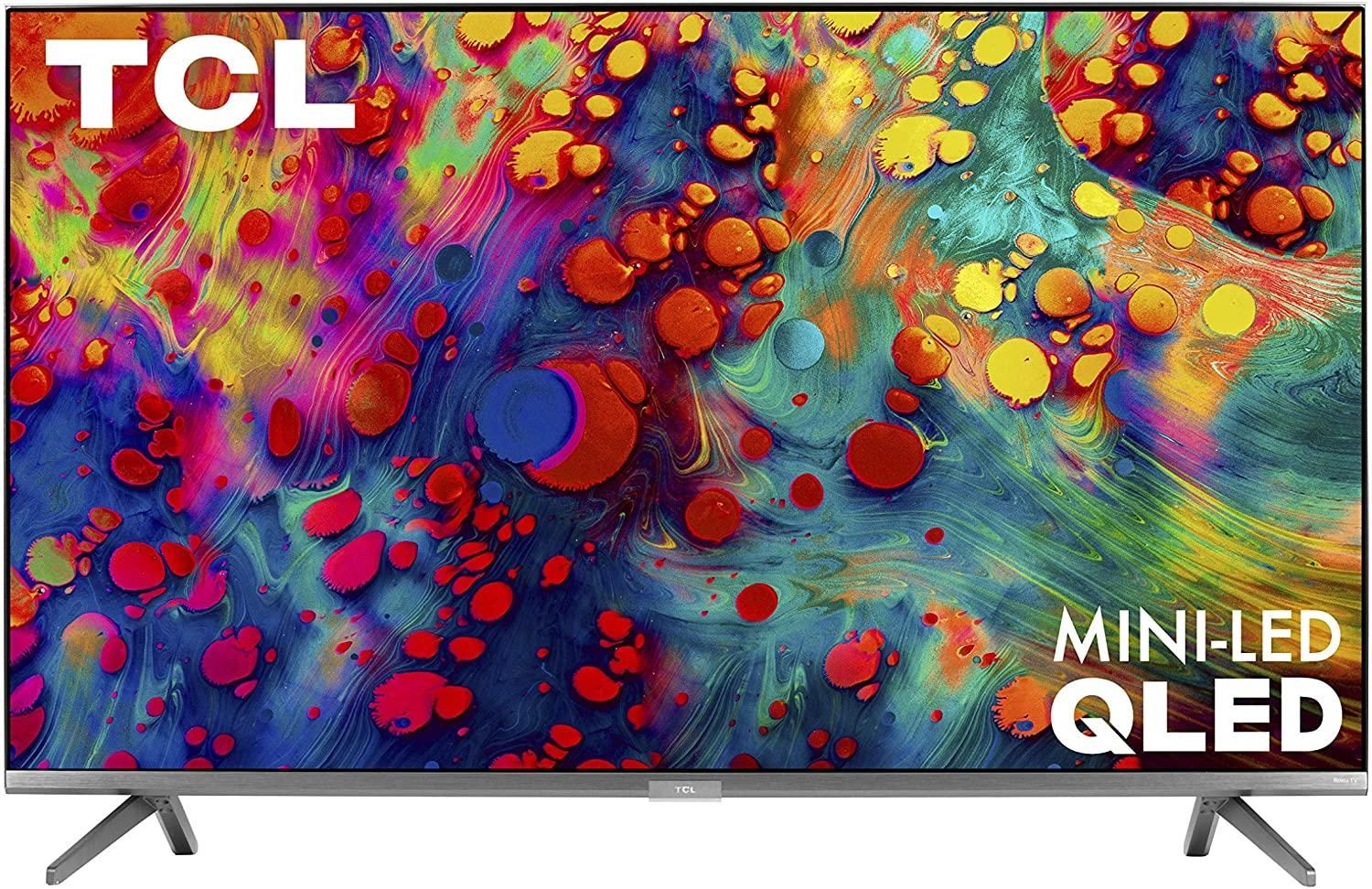
TCL 6 Series 75″ 8K QLED TV
This amazing smart TV has great display performance with over 33 million pixels. That means four times the sharpness of his 4K UHD display.
-
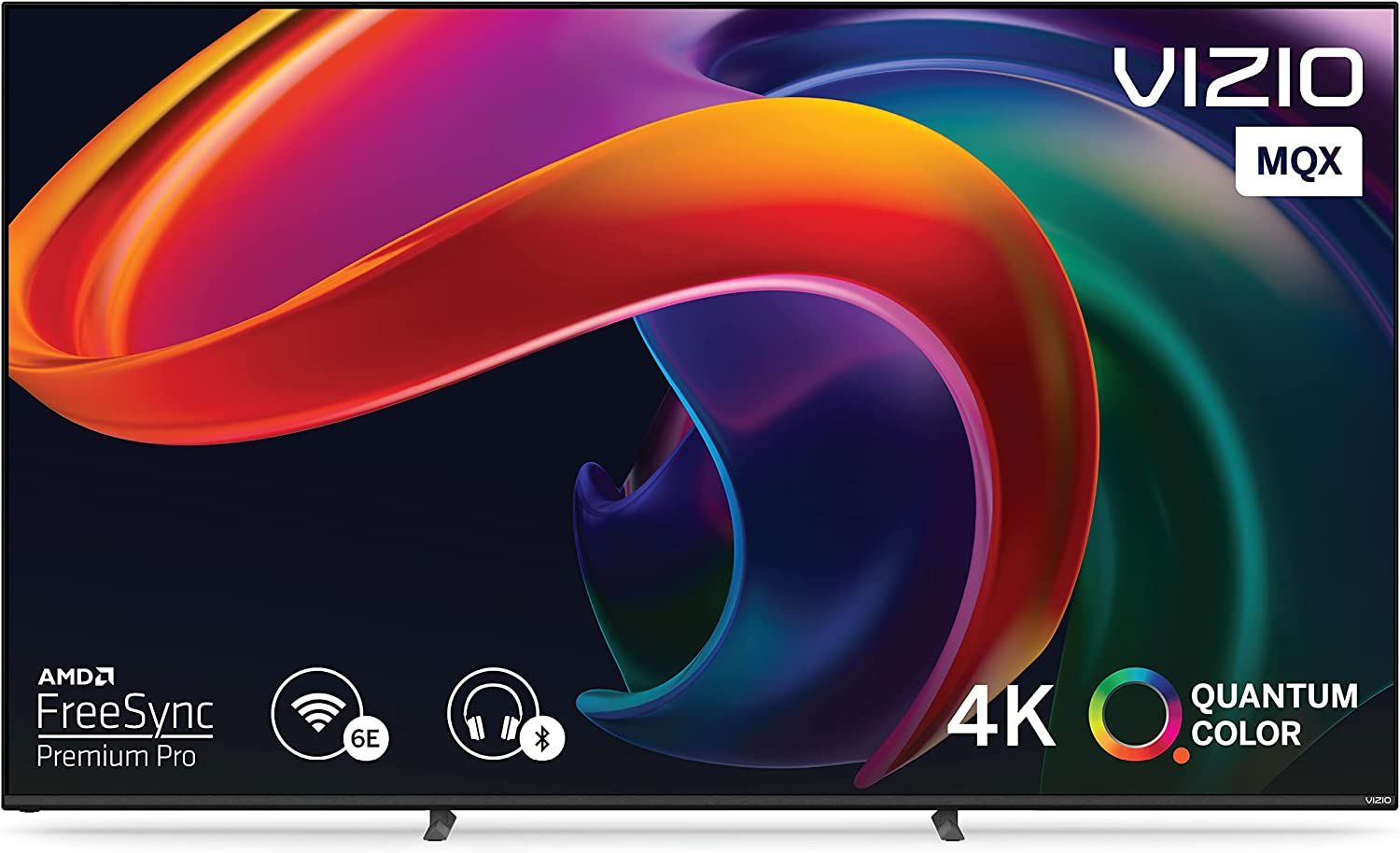
VIZIO MQX Series
VIZIO’s MQX Series 4K QLED HDR Smart TVs feature Dolby Vision, Active Full Array, 120Hz refresh rate, AMD FreeSync Premium Pro, Wi-Fi 6E connectivity and more.


The best OLED TV on the market
-
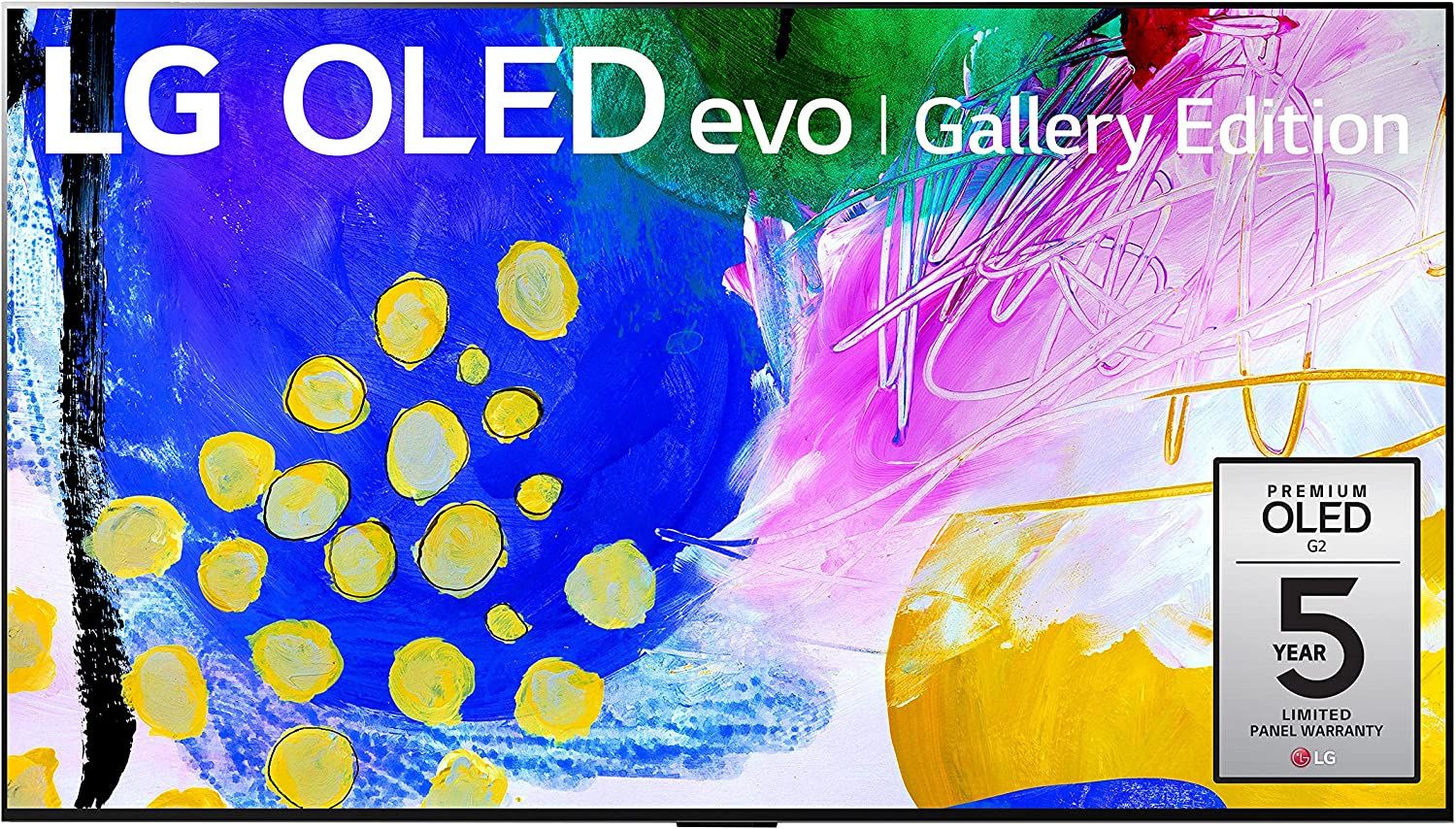
LG OLED evo Gallery Edition G2 Series 4K Smart TV
This is one of LG’s best options, with excellent images thanks to its OLED technology, with a brighter display and darker blacks. Plus the a9 GEN 5 AI processor that tunes on the go to give you the best he 4K experience.
-
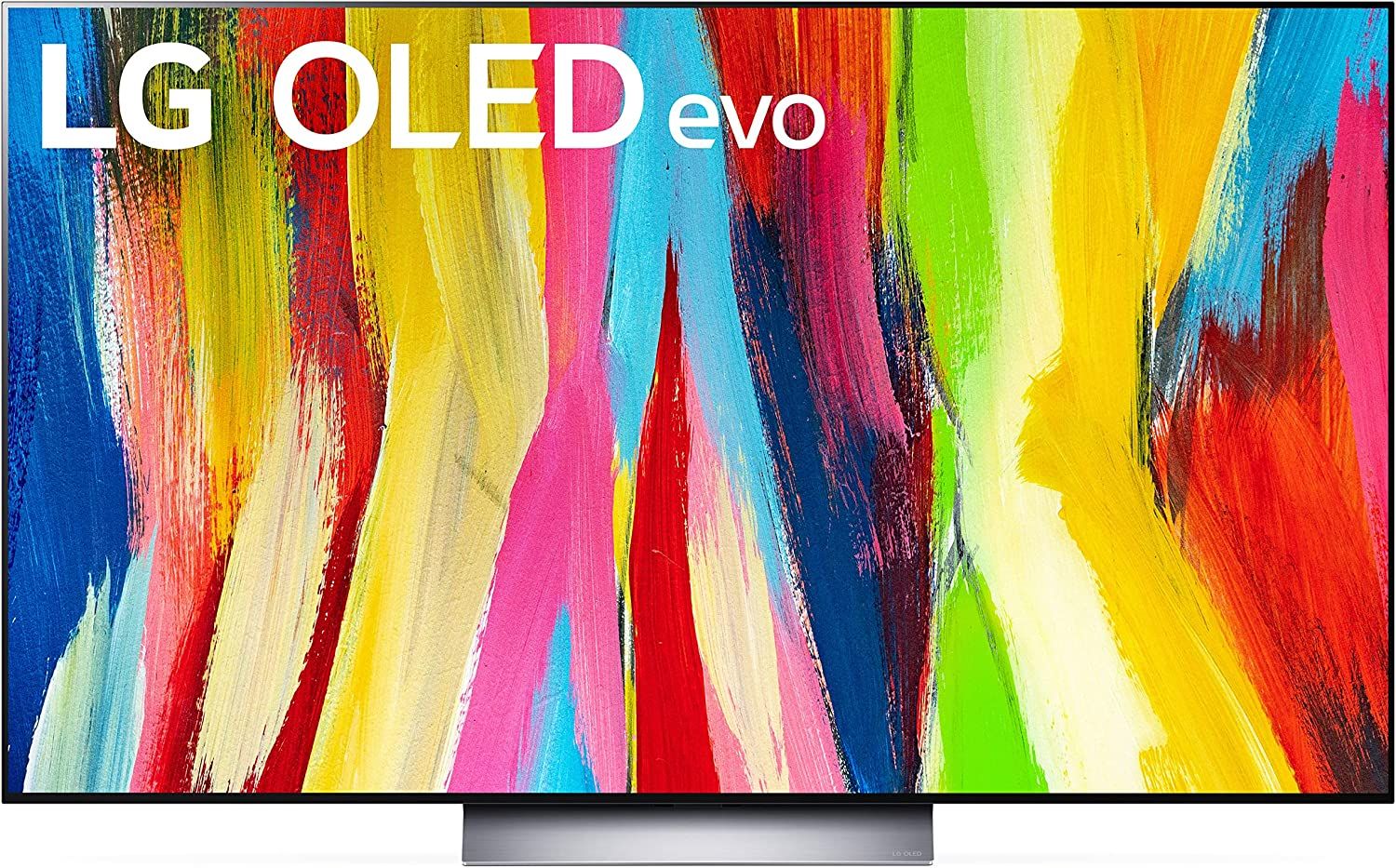
LG C2 Series 4K Smart TV
LG’s C2 Series OLED evo Gallery Edition smart TV is a great option for those looking for a new smart TV. It’s one of LG’s best choices, which means you’ll get excellent images thanks to OLED technology.
-
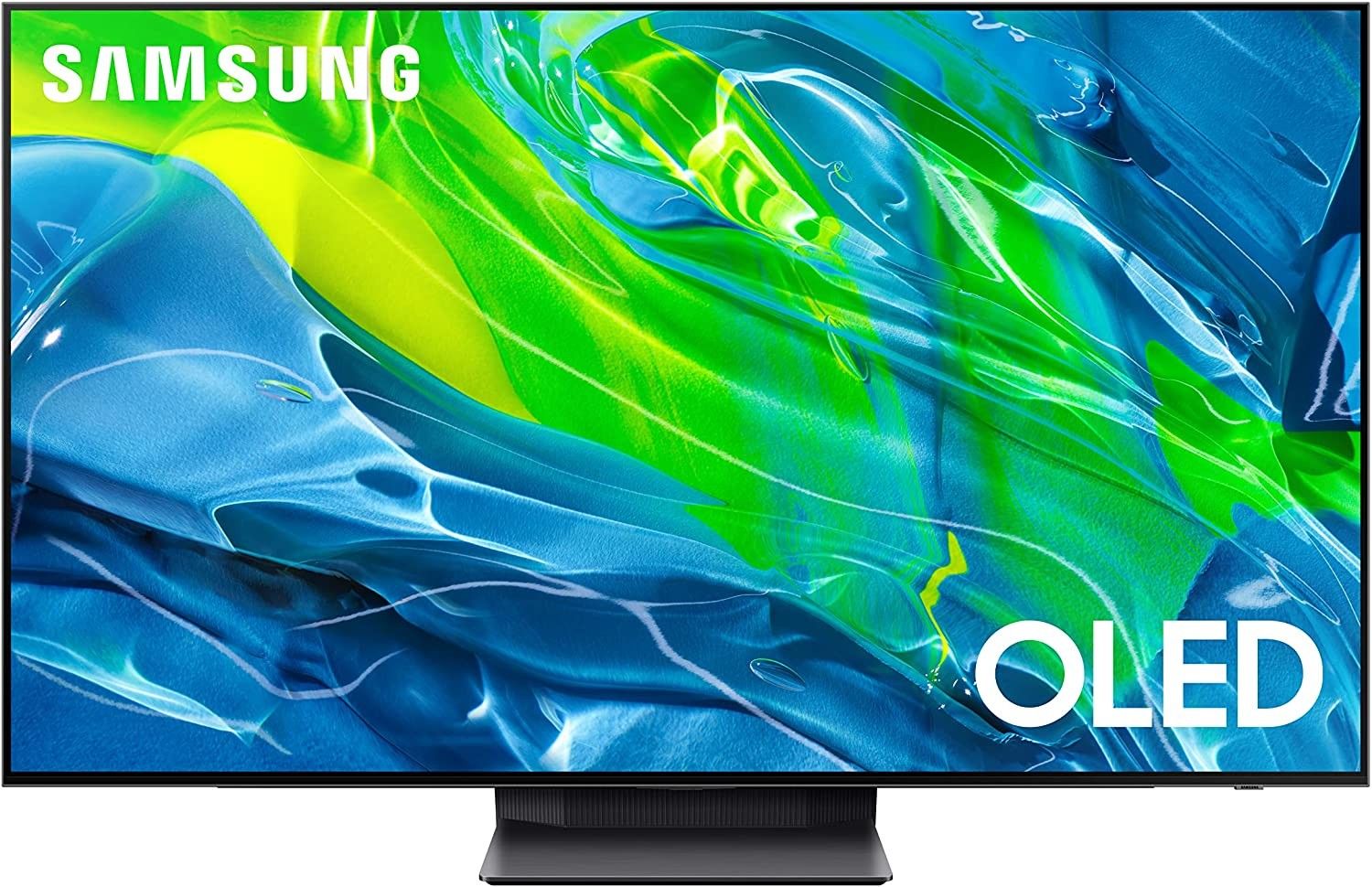
Samsung S95B 65″ 4K OLED TV
Samsung’s OLED 4K S95B series smart TVs feature large 4K OLED displays and are powered by the Neural Quantum processor. The entire TV is very thin and even has Dolby Atmos audio.
-
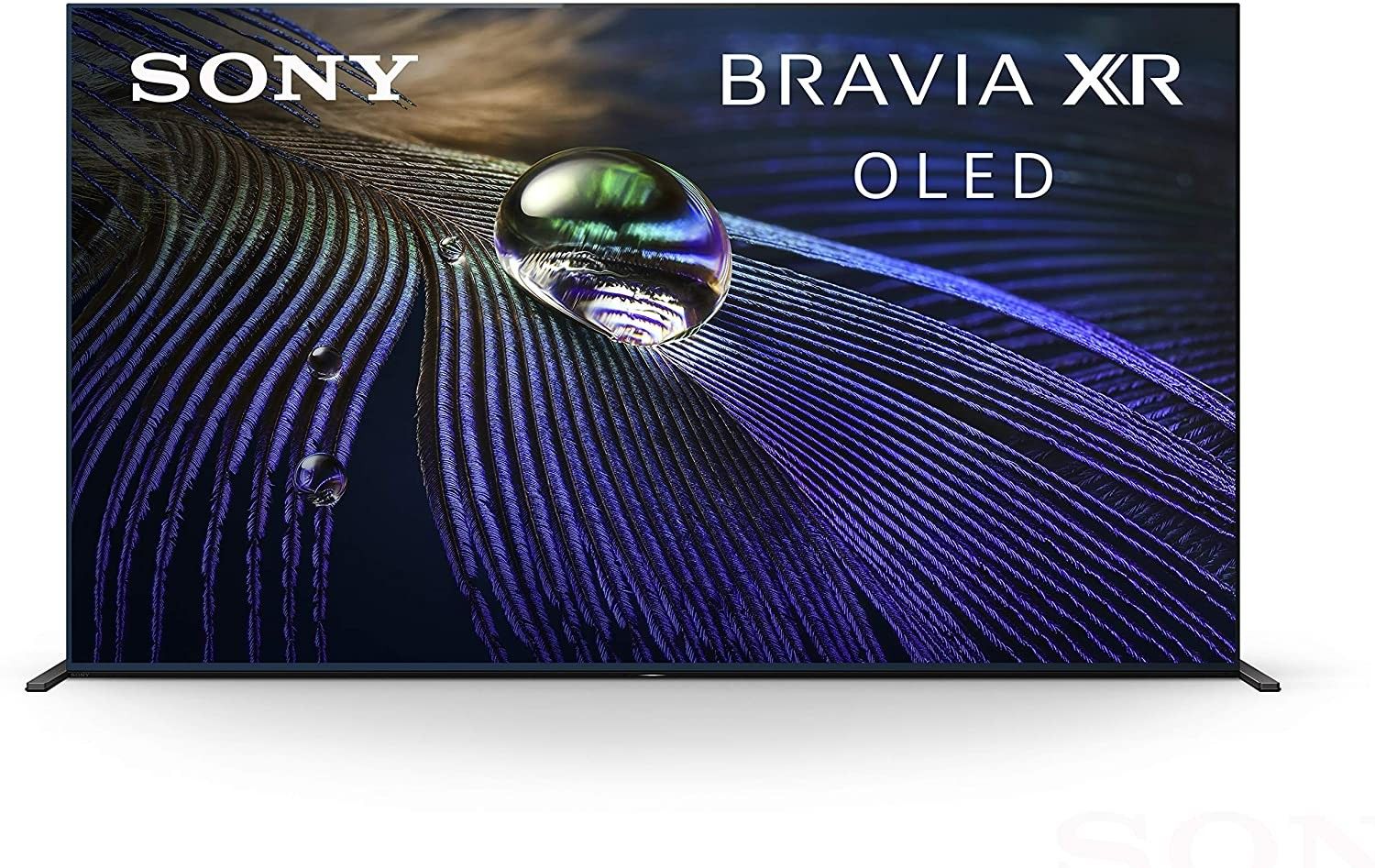
Sony A90J Bravia 83 type 4K organic EL TV
Sony’s A90J TV BRAVIA XR OLED 4K Ultra HD smart Google TV features Dolby Vision HDR and Alexa compatibility, along with a cognitive processor XR that delivers innovative TV processing technology that understands how humans look. It’s one of the best smart TVs you can get because it comes with a It delivers pure blacks, high peak brightness, and strong contrast with natural colors.
-
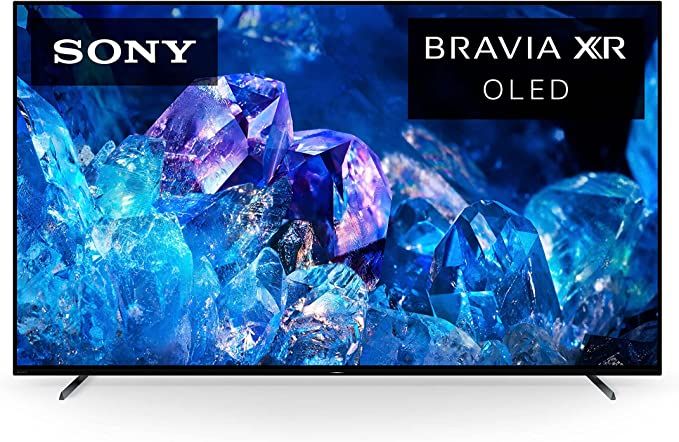
SONY Organic EL BRAVIA XR A80K
The Sony OLED 55″ BRAVIA XR A80K is a 4K Ultra HD TV with Smart Google TV and Dolby Vision HDR. Advanced processing delivers intense contrast, pure blacks, and natural colors. OLED technology provides immersive depth and realism. It also supports HDMI 2.1, features a smart TV platform, includes the BRAVIA CORE app for streaming 4K movies, and supports Dolby Vision for an immersive cinematic experience.
-
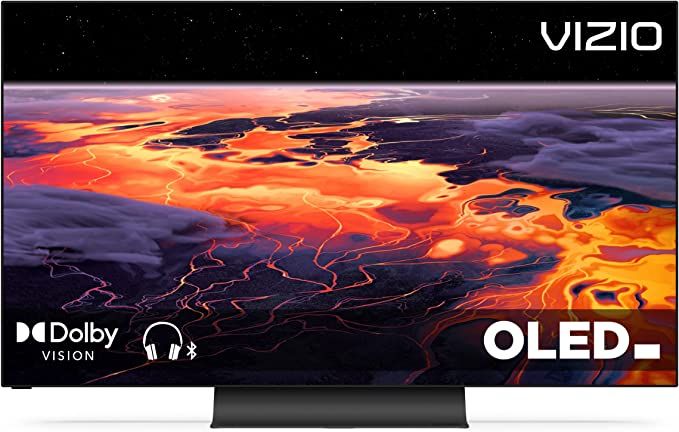
VIZIO OLED Premium 4K TV
The VIZIO OLED 4K UHD TV offers infinite contrast, pixel-perfect blacks, and ultimate image performance. It has a wide color spectrum and supports Dolby Vision HDR, HDR10 and HLG. The TV also features SmartCast for easy access to top streaming services, with a 120Hz refresh rate and Pro Gaming Engine, and built-in Apple AirPlay 2 and Chromecast.


In conclusion, QLED TVs and OLED TVs each have their strengths and weaknesses, and it can be difficult to decide which is best. We hope this article has helped you understand the key differences between the two technologies and help you make an informed decision. If you have any questions or suggestions, please leave them in the comments. Let us help you find the perfect TV.
