










Each snowflake is said to be unique, thanks to its crystalline structure. However, snow has another interesting, hitherto unexplored property as a power source.Along with current electricity, there is another how to get power called triboelectricityCombing your hair or taking off a nylon jumper can cause your hair to stand on end. Or shaking hands with someone suddenly causes a noticeable discharge. That is the static electricity generated by the triboelectric effect. The scientific explanation is that one substance donates electrons to another, a physical phenomenon that scientists at the University of California used to generate electricity in snowfall.
The basic material for their technology project is a layer of negatively charged silicon. At the same time, snow has a positive electrical charge. When the latter touches the former, an electric current is generated. American scientists tried other options, such as aluminum foil, before deciding on silicone as the most efficient material. 3D printing A silicon layer with electrodes for trapping electrical charges. It has a very low production cost when produced on an industrial scale.
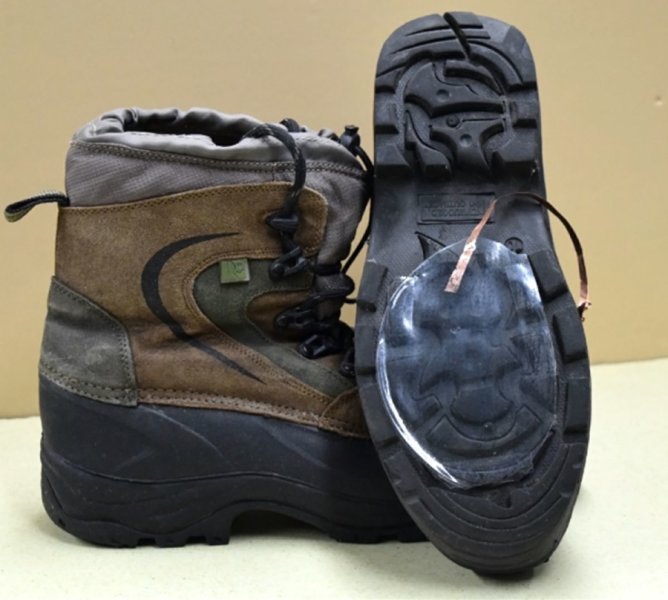
This innovative technology project You can have many applications. For example, current solar panels lose most of their efficiency when it snows. This is because snow covers the surface and prevents sunlight from reaching the cells. However, if covered with this semi-transparent silicon layer, it can provide triboelectricity in addition to solar power. In addition, this type of device wearable In snow sports, they can be embedded in boots or skis that can monitor physical activity.
In the past, the lead scientist on this technology project, Richard Kaner, has also developed other technologies such as membranes that separate oil from water and cleanse debris left by oil fracking. In 2017, his lab also used common metals such as iron, nickel, and cobalt to create a device that could produce hydrogen from solar power.
it’s raining electrons
Besides snowfall, there are weather conditions that can be used to generate electricity.Taiwanese and American researchers new nanomaterials Electricity can be generated from raindrops, wind, or body movement. Their challenge was to develop a waterproof material, as moisture interferes with the triboelectric effect. Those fabrics can now be used in umbrellas and sportswear to power wearables and eliminate the need for charging from mains power. Footwear and even the roof of a house are other potential surfaces for these mini power plants. Many wearables rely on batteries, which are usually the most bulky components, so this technology could open the door to miniaturization of devices.
sauce: UCLA
