











Industrial processes require very large amounts of water. Paper mills, nuclear power plants, clothing factories water consumptionFor example, countries such as the United States use nearly half of the water pumped from rivers, lakes and reservoirs to cool power plants. And most of it rises as a vapor in the tower. Engineers from the Massachusetts Institute of Technology, his group designed an inexpensive and efficient solution following a circular economy philosophy that aims for zero waste and maximum optimization of resources. capture water from the steam and utilize it for human consumption. It also includes not only freshwater, but also seawater used by coastal power plants.
of technology A method proposed by mechanical engineering professor Kripa Varanasi is reviewed in the journal Science Advances. Simple and easy to implement. It is based on a beam of charged particles, or ions, that zap water molecules to charge them and attract them to the mesh. From there droplets flow into the sediment.As capture water from steam is a distillation process, resulting in drinking water Refined and ready for human consumption.
For this kind of mesh, Harvesting water from the atmosphereBut the problem is that water harvest Systems that trap microdroplets passing through fabrics have limited efficiency. At best, it can capture 1% to 3% of the water that passes through the mesh openings. As this article’s co-authors Varanasi and Maher Damak pointed out, this explanation has to do with aerodynamics. Most water tends to bypass rather than pass through obstacles. Basically, water droplets avoid the wires of the mesh. But then came the epiphany moment. What if we developed a system that would attract water droplets instead of relying on their own flow? The answer was a low current that induced the droplets.
From prototype to reality
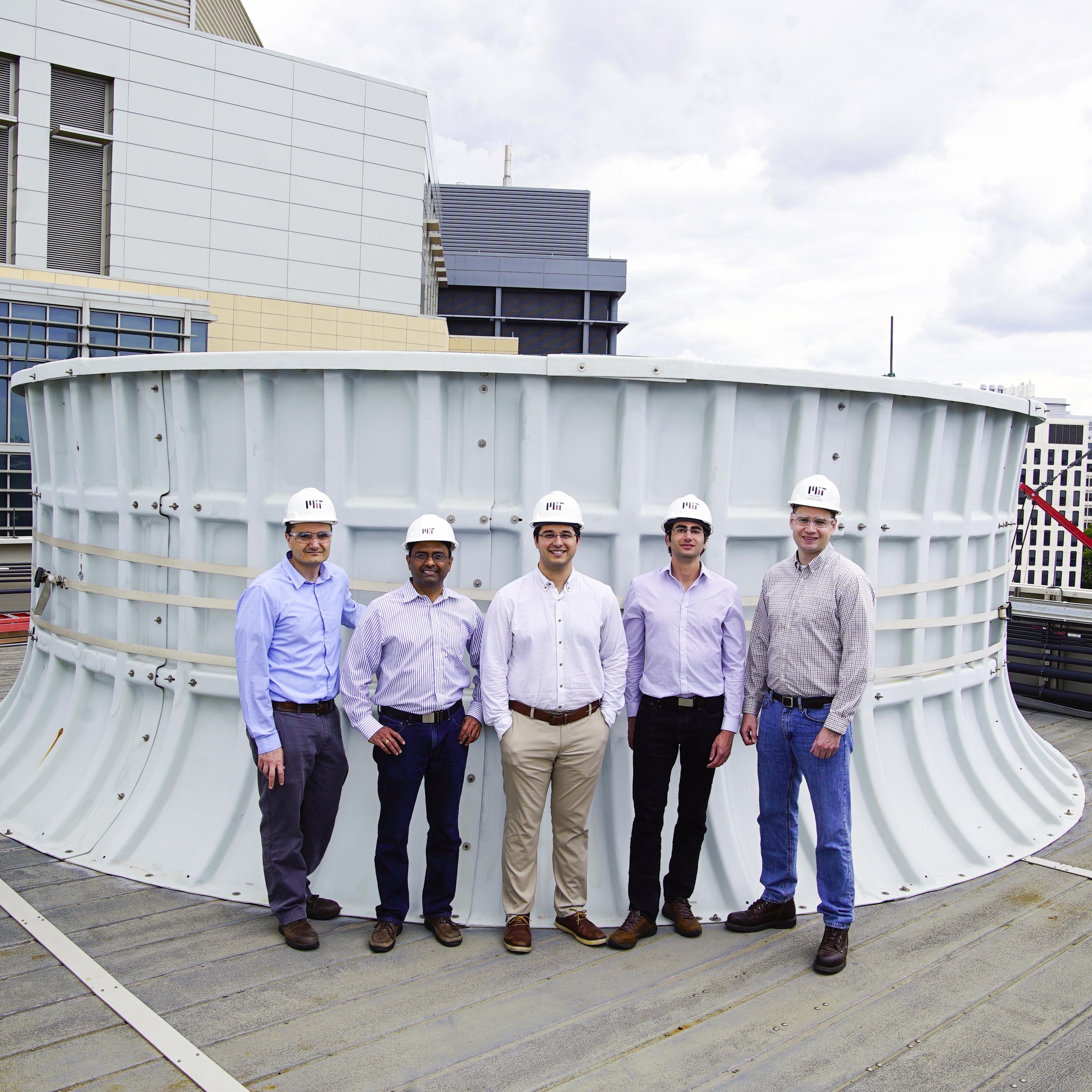
of water treatment The system has not yet exceeded lab conditions, but MIT engineers plan to scale it up and test it in the real world, at a gas power plant used in their own lab. increase. If all goes according to plan, the feasibility of the project will be demonstrated this fall. new water source for campus. The future of humanity will no doubt lie in optimizing current resources rather than developing new ones.
sauce: Techxplore
