










Disaster is coming. Alarm bells are ringing. Everything started well this morning, but a few unexpected phone calls pushed things to the brink. There are only a few minutes left before the system shuts down. In desperation, he stumbles into a café and asks, “Do you have an outlet to charge your phone?” In fact, this kind of anxiety that plagues many smartphone users has already been described as low battery syndrome. One of its symptoms is that the user starts panicking when the phone drops below his 20% threshold.Increasingly powerful phones with higher resolution screens and sleek designs are proving to be the perfect storm to wreck the battery life of the most sophisticated devices. I am wireless charging technology, the surface of the charger, although it must be in contact with the induction pad. however, wireless battery Being able to charge remotely and having a good network of transmitters allowed me to enjoy a host of devices that were always being charged. Not just mobile phones, but wearables, watches, remote control systems, and more. The American company Ossia can pave the way for that electric utopia.
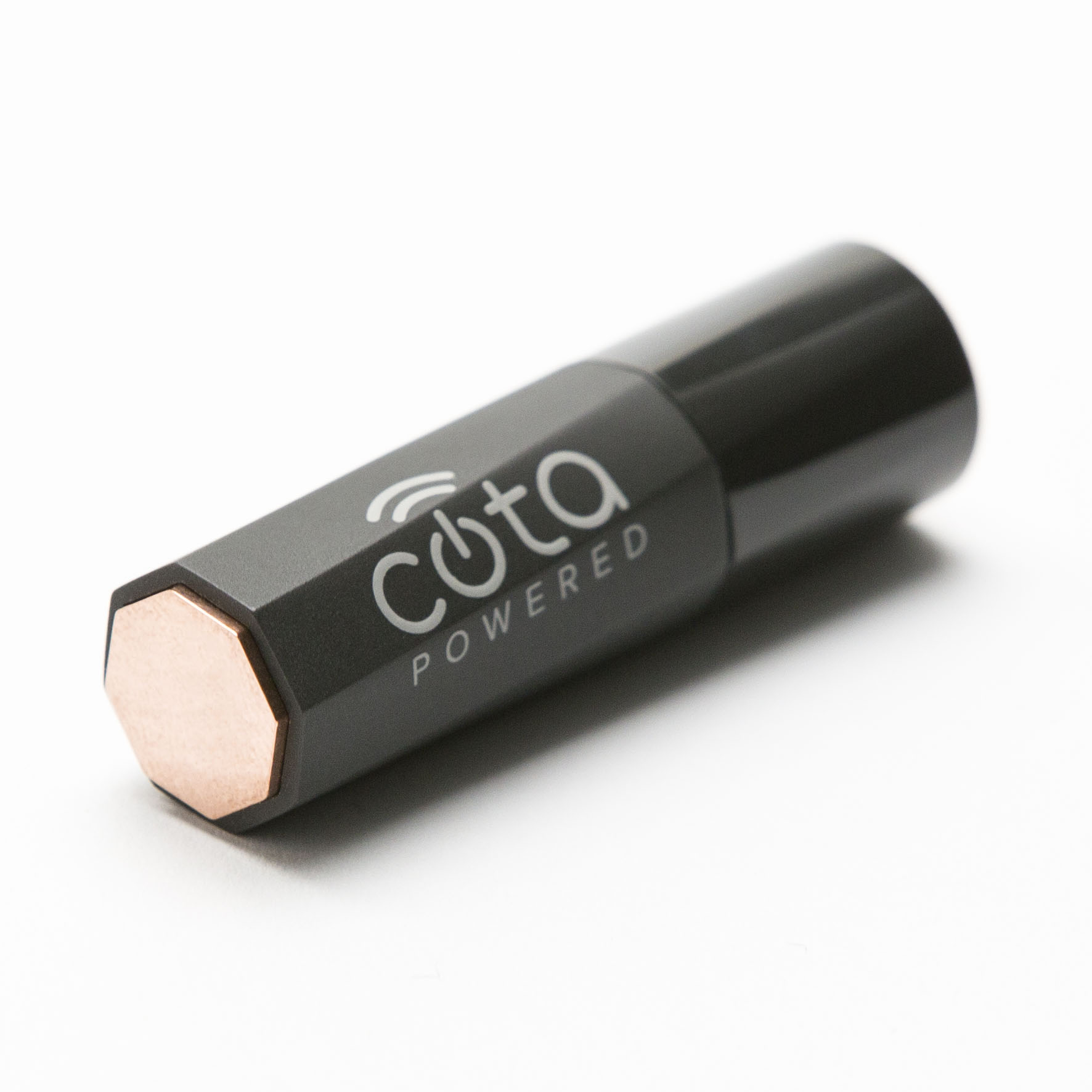
At the latest edition of the CES tech show in Las Vegas, physicist Hatem Zeine, who founded the startup in 2008, presented a new wireless battery Developing the technology under the name of Cota Forever Battery, it is intended to usher in the era of permanently charged batteries. Ossia’s plan is to add wireless receptors to each battery so they can be wirelessly charged from his Cota Tile transmitter. One of the novelties of this technology is that it utilizes the same he 2.4 GHz spectrum as Bluetooth devices. Therefore, electricity can pass through walls and other obstacles.
each transmitter battery relays the signal 100 times per second to charging stations that can be placed anywhere in your home. Using thousands of antennas, stations can triangulate the exact location of a device and send RF signals towards it. Currently, only one device can be charged at a time, and the system will prioritize the needs of the various devices within its range.Longer term, once chipsets are conveniently miniaturized, manufacturers plan to incorporate them into mobile phones. wireless aa battery With the same size and power as its predecessor, it can power any device that uses this type of battery.
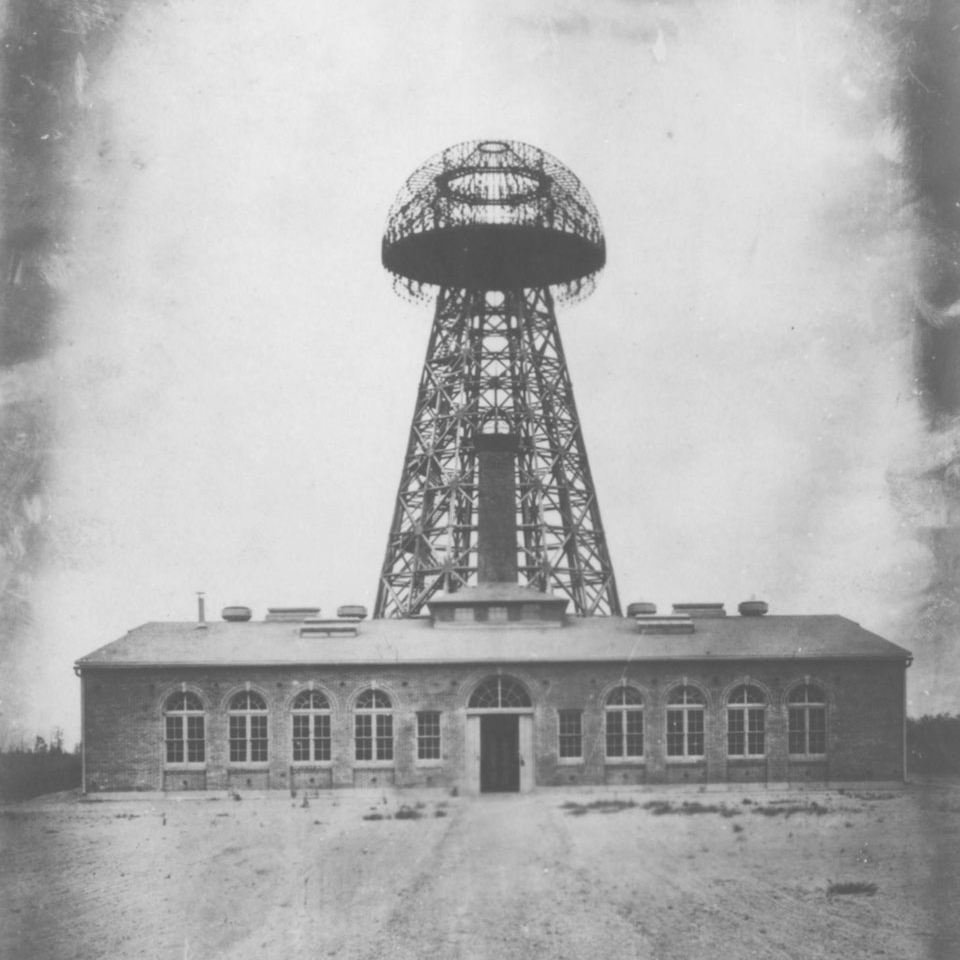
Wireless electricity, Tesla’s dream
Wireless transmission of electricity has been one of the scientific goals of the last century. Renowned inventor Nikola Tesla was one of the first researchers to develop the Wardencliffe Tower, designed to transmit both information and power wirelessly. Sadly, it was destined to be sold for scrap metal to pay off the venture’s outstanding debt. wireless transmission electricity. But Tesla’s long-term goal was to develop what he dubbed the World Wireless System. This was to power the entire planet. Sadly, despite his claims, Tesla was unable to prove the feasibility of such a large-scale project.
sauce: gizmodo
