











It is no exaggeration to point out carbon dioxide as the main enemy of mankind. After all, most studies show that atmospheric accumulation has increased sharply since the first industrial revolution, contributing to global warming.Really, the most logical solution is, well, to reduce greenhouse gas emissionsbut fossil fuel-based economies are slowing the transition to alternative energy models. Renewable energy Due to the increasing attention, several proposals have been put forward to reduce carbon dioxide in the atmosphere. From carbon capture plants to pretty incredible things like using laser beams to ionize the stratosphere and send carbon dioxide from the North Pole into space. But what if instead of sending it outside the Van Allen Belt, we could turn it into some other material, like plastic?
From carbon dioxide to ethylene to polyethylene
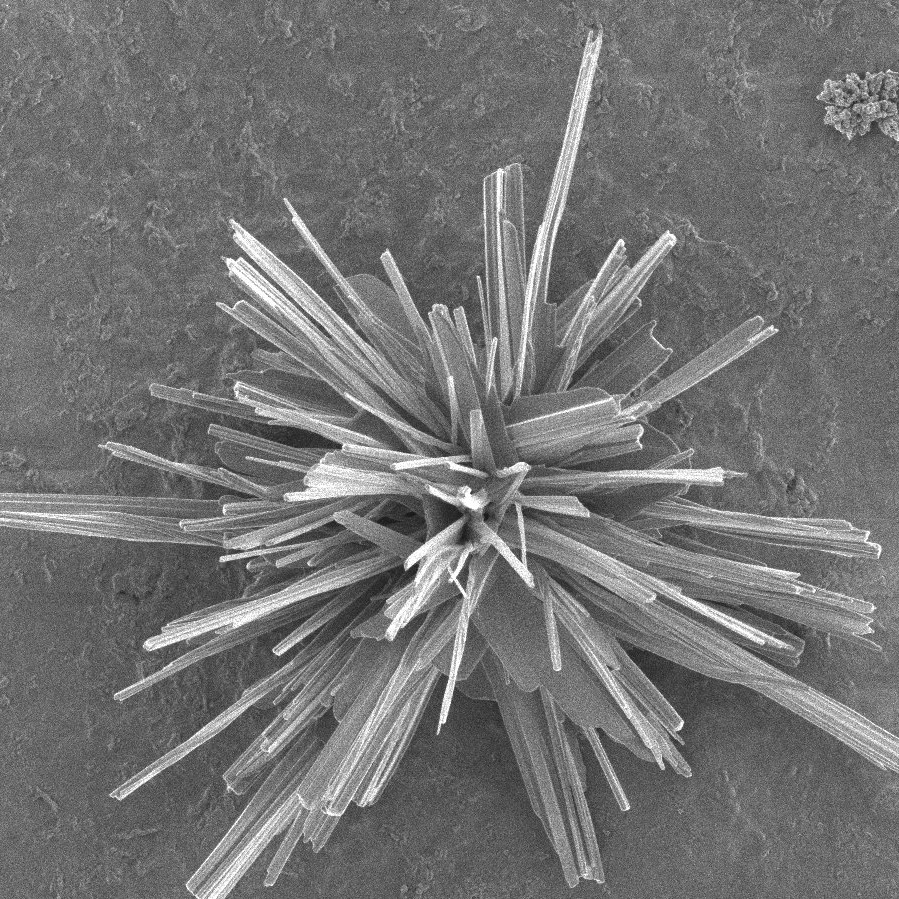
This journey started in 2015. That’s when a group of scientists at the University of Singapore developed a solar-powered “artificial photosynthesis” system using copper as a catalyst. produce ethylene from carbon dioxide and water. Last year they finally unveiled their first prototype. Science is always like a relay race where knowledge is passed on to produce the next achievement. Artificial photosynthesis will soon be perfected by another team.
Now we are flying to the other side of the world, the University of Toronto. There, I developed a system to evaluate the optimum conditions for the production of ethylene by copper catalysis using a light source synchrotron in Canada. One of the biggest advantages of this technology, highlighted in a paper published in Nature, is that it almost completely reduces the production of methane, which is released as a by-product of the process, and maximizes the production of ethylene. This substance is the basis of polyethylene, one of the most popular plastics in the world, the production of which greenhouse gas.
convert carbon dioxide into baking soda
Can you burn coal and provide ingredients to bake pies in your oven? New carbon sequestration technology has made it possible to convert carbon dioxide from burning coal into everyday raw materials.The pioneering factory is located in Tuticorn (India) and emits zero carbon dioxide into the atmosphere…while making baking soda, the main ingredient in baking, or sodium carbonate, used in making soap, glass and dyes.The Indian entrepreneur who founded the factory is set to save the planet, according to the BBC. I didn’t. Apparently, he was looking for a steady and cheap supply of carbon dioxide. He found it in a technology developed by Carbonclean Solutions, a British startup founded by Indians.
Steam and carbon dioxide are required to operate the plant. Both elements are produced by burning coal, the steam he is sent through one piping circuit, carbon dioxide And the smoke is sent to the chimney. There, chemicals developed by Carbonclean Solutions precipitate carbon dioxide more efficiently and cheaper than other methods used to date. In fact, we don’t need subsidies to remain profitable. That carbon dioxide is converted into sodium carbonate or baking soda. An estimated 60,000 tons of carbon dioxide are converted annually using this method. If implemented globally, this could reduce emissions from coal burning by 10%.
sauce: BBC
