











About 70% of the earth’s surface is covered in water, but humans can only consume 0.5% of it. An inadequate figure when compared to the world’s growing need for water.
On the other hand, science and technology are constantly working to increase that proportion, and so far Desalination is one of the few rain-independent sources. It can turn seawater into water suitable for consumption. Its global production has tripled since his 2000, and worldwide he has more than 16,000 plants in operation.
However, despite its benefits, desalination comes with a range of environmental impact issues that still need to be addressed in order to become a more efficient and mostly sustainable method.
Precisely when investigating what is being done to improve the desalination process, life Dreamer, a promising and pioneering project involving ACCIONA. Pursuing the challenge of increasing sustainability throughout the process, the first pilot plant is installed in Girona (Spain) and ready to deliver results. Let’s elaborate on this subject.
LIFE DREAMER, the dream of turning seawater into a valuable resource
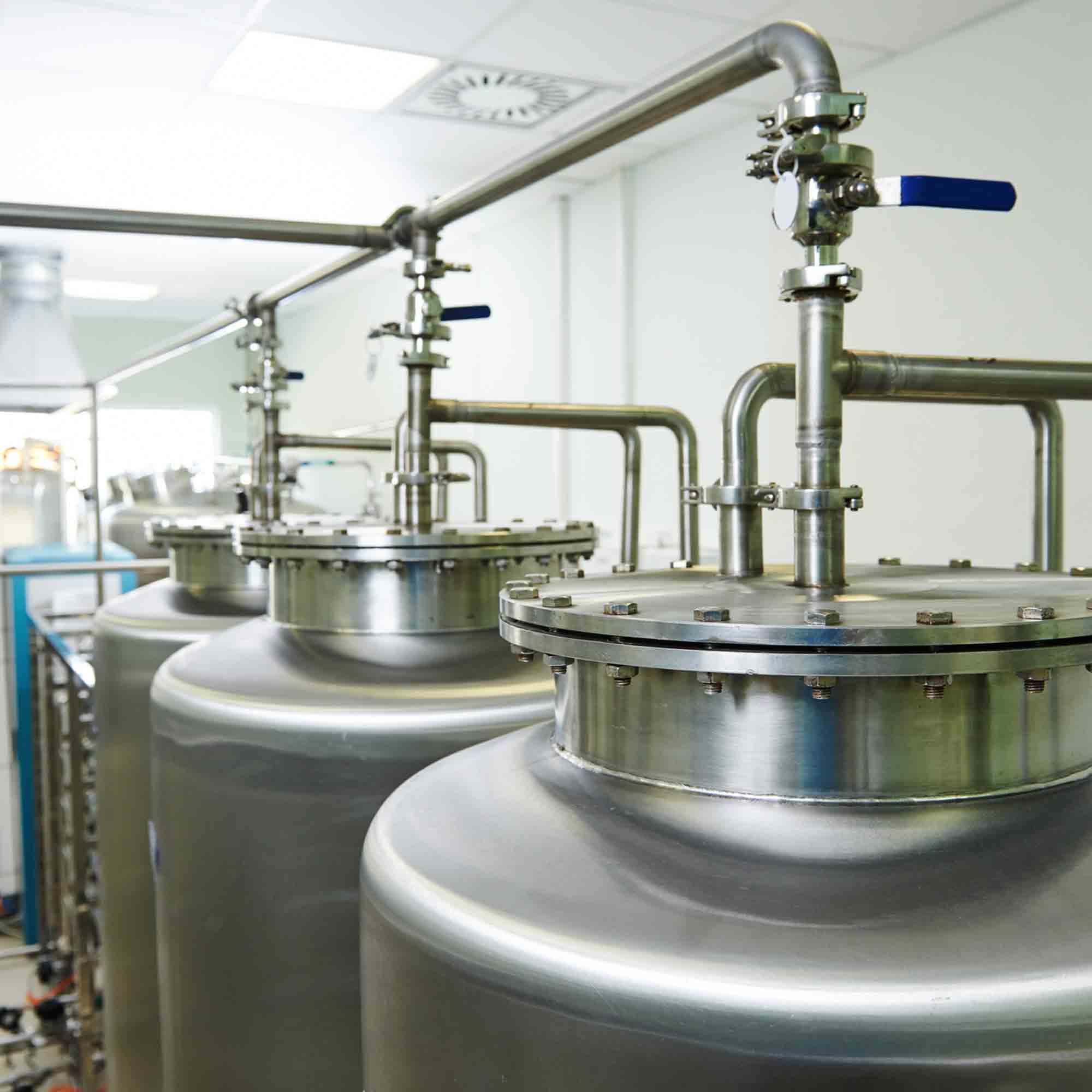
at first, How does desalination work? One of the most efficient technologies is based on reverse osmosis systems, which filter seawater through dense membranes that trap salt particles and allow only the water to pass through, making it suitable for consumption.
There are many examples of this kind of membrane in nature. For example, the tissue of salt glands that allows sea animals (such as turtles and pelicans) to drink seawater, and even human cell membranes. But what is one of their biggest problems? Microorganisms in the water accumulate on the surface of the membrane and the membrane loses its inherent propertiesAdditionally, it should be noted that cleaning them requires chemicals, which can be harmful to the environment if not managed properly.
Ultimately, in reverse osmosis desalination, the quality of the membrane, the fact that some of that water is utilized for washing the membrane, and the conversion rate of the available water during the pretreatment and posttreatment steps less than 50%. Besides, apart from chemicals, the system produces a concentrated salt stream. brine– Some of that water should be discarded as it contains organics and other concentrations.
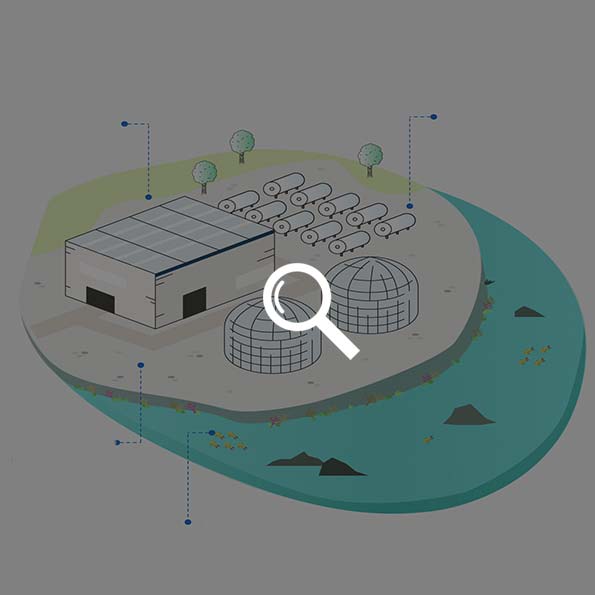
for those reasons, LIFE DREAMER’s goal is to achieve better utilization of all seawater droplets by developing new and more efficient concepts in seawater desalination. This will take place at a pilot plant in La Tordera (Girona, Spain), a property owned by ACCIONA. The facility already serves as a model platform for the company’s other innovation projects.
The systems featured in this technology rollout are: Designed to recover more demineralized water, reducing energy consumption and pollutants. Responsible person life Dreamer The project estimates that the process can be optimized in the short term to achieve the following results:
– Improvement of recovered water conversion rate During reverse osmosis from 50% to 90%.
– Reduce system-related pollution 80%.
– reduce of use of chemicals 50%
– Reduced energy consumption 10% increase thanks to optimized operational processes.
How is it possible to use seawater while improving desalination performance?by trying A combination of strategies to prevent membrane biological contamination, thus reducing the use of cleaning agents and inhibiting bacterial growth.In additionthe LIFE DREAMER is intended to recycle substances present in the brine, such as calcium and magnesium salts produced during the process.Thus avoiding the addition of chemicals that are harmful to the environment and recovering substances such as phosphate for use in sustainable agricultural practices. Desalination thus turns from an act of generating wastewater to an activity that produces resources that can be used not only in the field of desalination itself, but also in other fields such as agriculture.
Desalination is largely a necessary part of global solutions to tackle the problem of water scarcity around the world. We will soon see if the LIFE DREAMER project can fulfill its dream of transforming it into a more viable and sustainable way.
Fuentes: action, Fundación Aquae
