











“Sharing photos without the owner’s consent is a violation of the owner’s rights and can lead to legal consequences including monetary damages and an injunction to stop the infringing activity.”
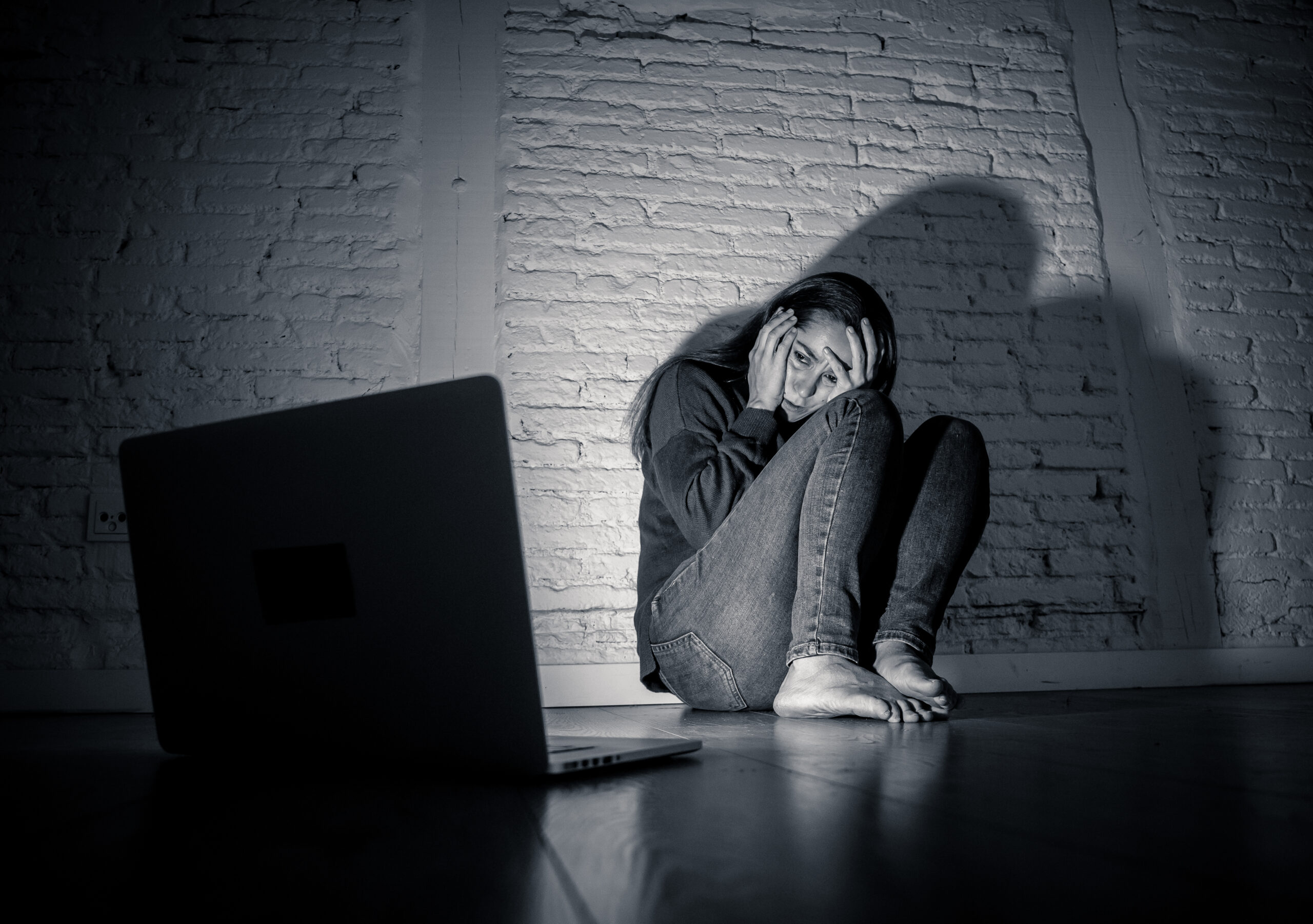 Recently, Netflix released a documentary titled The Most Hated Man on the Internet. This is about Anti-Revenge He porn activists and their efforts to take down the website IsAnyoneUp.com. The site was founded by Hunter Moore to allow anyone to use his social media handle to anonymously upload nude photos or send sexually explicit photos of others without their consent. bottom. The documentary follows Charlotte Laws, whose photo of her daughter was shared on the site, as she launches a campaign to shut down the site.
Knowing that private sexual content is being published on the Internet is never a pleasant experience. This can happen after sending a selfie to your ex-partner or after your cloud has been hacked.
Copyright ownership
In the Netflix documentary, Charlotte’s daughter took private photos with no intention of sharing them with anyone. Unfortunately, her account was attacked by her Moore and her photo was uploaded to her IsAnyoneUp.com along with all her social account information. Her stepfather, an attorney, threatened to sue Moore for violating copyright law, claiming that Charlotte’s daughter held the copyright to those private photographs. The sexually explicit photos have been removed after the threat of
Photos are automatically protected by copyright law from the moment they are taken. Photographers usually retain the rights to their work, and the people in the photos do not have legal rights to the intellectual property in the photos. This is because copyright law gives the creator of a work the exclusive right to control how the work is used, distributed, and displayed. However, there are exceptions to this rule. For example, if the photo was created as part of your employment, your employer may own the copyright. Additionally, if the subject of the photo has signed the model’s release form, it may be giving the photographer the rights to use the likeness in the photo.
In the documentary, many victims’ photos were shared by ex-partners for revenge purposes. Sharing photos without the owner’s consent is a violation of the owner’s rights and may result in legal consequences including monetary damages and an injunction to stop the infringing activity.
If I am not the copyright owner of a photo, do I have the right to remove it? In addition to copyright law, moral rights that may affect a living individual’s use of a photo include rights of publicity and There are two forms of privacy rights. Publicity rights govern the commercial use of an individual’s image, name, or likeness and allow individuals to control how their image is used for commercial purposes. Privacy rights govern the use of photographs that depict people in offensive, intrusive, or embarrassing ways and allow individuals to control how their images are used in ways that violate their privacy. to
Safe Harbor under the Digital Millennium Copyright Act (DMCA)
In the film, Moore boasted of his website and attracted many followers who adored him. Moore claimed he was not responsible for the private photos uploaded because the photos were posted anonymously and simply acted as a platform for porn avengers. Is it true that you are not responsible for copyright infringement?
Under the DMCA’s safe harbor provisions, online service providers cannot be held liable for copyright infringement committed by their users. To benefit from this protection, website operators must comply with certain requirements. For example, they should be notified to remove infringing content and have systems in place to handle repeat offenders. Safe Harbor also covers situations where website operators post content based on user instructions.
An example of a DMCA safe harbor provision is when an online service provider, such as YouTube, allows users to upload and share videos on its platform. If any of the videos uploaded by a user infringes the copyright of a third party, the copyright owner can send her YouTube a takedown notice. Upon receipt of notice, YouTube must remove the infringing video and notify the user who uploaded it. If you repeatedly upload infringing content, YouTube may terminate your account in accordance with our Repeat Infringer Policy. By taking these steps and fulfilling our obligations under the DMCA Safe Harbor, YouTube is protected from liability for copyright infringement by its users.
In the documentary, victims asked Moore to delete the photos, but he ignored these desperate requests and enjoyed ruining the lives of others. What else can you do to protect yourself if it is not possible to justify
One solution is to contact the website host if the website is hosted on a third party platform. To find your website host, you can try the following methods:
Whois lookup: You can use Whois lookup services such as Whois.net to find information about website owners and hosts. Simply enter your website’s domain name and you’ll be presented with registration information such as the host’s name and contact information.
Network tools: Network tools such as ‘ping’ and ‘traceroute’ can be used to trace the route between your computer and the website’s server to identify the host.
Website source code: You may be able to find information about the website host by examining the website’s source code. To access the source code, right click on the website and select[ページ ソースの表示]Choose. Then search for the “Server” header to see the name of the host.
If you can identify the host of the website, find the specific content on the website that you believe is infringing and send the host a takedown notice by notifying them of the infringement. Explain your rights and request removal of infringing content.
Note, however, that not all information about website hosts is public. In some cases, hosts may use privacy services to hide their identity.
Exclude content from search engines
If you have tried to contact the website owner and website host and are unable to remove the content, we recommend that you hide the website. By sending a DMCA takedown request to search engines and his ISP, the copyright owner can make the stolen content inaccessible.
Reporting copyright infringement to search engines such as Google is important to prevent infringing websites from appearing in searches. For example, Google provides an online form for reporting copyright infringement. Forms guide you through the process by allowing you to select scenarios that describe your situation. This will not remove the website, but it will prevent the website from being indexed by Google and appearing in search results.
Reporting Breach to Law Enforcement
Copyright infringement is a civil matter that is resolved by courts, not by law enforcement, but even if the FBI does not have the power to take action, it will create an official record, so you can file an Internet crime report and file an FBI crime report. We recommend that you report to It is especially important to report to the FBI if a website that violates federal crimes, such as cyberstalking or identity theft, is involved in the infringement.
Additionally, if the website violates the privacy policy posted on the website, you may also report the violation to the Federal Trade Commission (FTC). You should always seek legal help instead of struggling alone. If you cannot afford legal services, you can seek free legal services from legal aid organizations, law firm free programs, local law clinics, courtroom self-help centers, and state and local bar associations.
We recommend searching online or calling your local bar association to see if these services are available in your area.
fight cyber bullying
The website was discontinued in 2012 due to Charlotte Laws’ constant efforts to track down Moore. In 2014 Moore was arrested and charged with multiple counts of computer hacking and stealing his identity. He later pleaded guilty and was sentenced to two and a half years in federal prison.Charlotte Laws also helped pass laws banning intimate image abuse in her 48 states in the United States . Intimate image abuse laws in the United States vary from state to state, but most criminalize the distribution of sexual images without consent. Some states classify it as a specific crime, such as “revenge porn,” while others prosecute it under existing laws related to harassment, stalking, or disorderly conduct.
Online humiliation and bullying are increasing and becoming more dangerous. From his IsAnyoneUp case in the US to his Nth room case in South Korea, everyone can be the subject of public shaming in the digital age. It is up to each of us to make the internet a better place and say no to cyberbullying, including the use of intellectual property laws.
Image Source: Deposit Photo
Image ID: 206605284
Author: sbartsmediagmail.
