











Frying pans, casseroles and other cooking utensils, railroad tracks across the world, surgical scalpels and other medical equipment, the hulls of supertankers crossing the oceans, the frames of the buildings we build and live in… All of them have one thing in common. It is the use of elements that were revolutionary at the time. And it is impossible to imagine the thousands of innovations that make our lives simpler and safer today.
that is steel, Ferrous alloys containing small amounts of carbon (between 0.03% and 2.14%) and lacking non-stick propertiesResearchers at the Harvard John A. Paulson School of Engineering and Applied Sciences (SEAS) have demonstrated a method of making steel. By growing an innovative coating of tungsten oxide over it, it’s stronger, more resistant and cleaner.
Characteristics that made non-stick impossible
until now, Coming up with a good mechanically strong steel was at odds with making it non-stickyPorous surfaces that prevent dirt from sticking to them are inherently fragile and prone to corrosion.
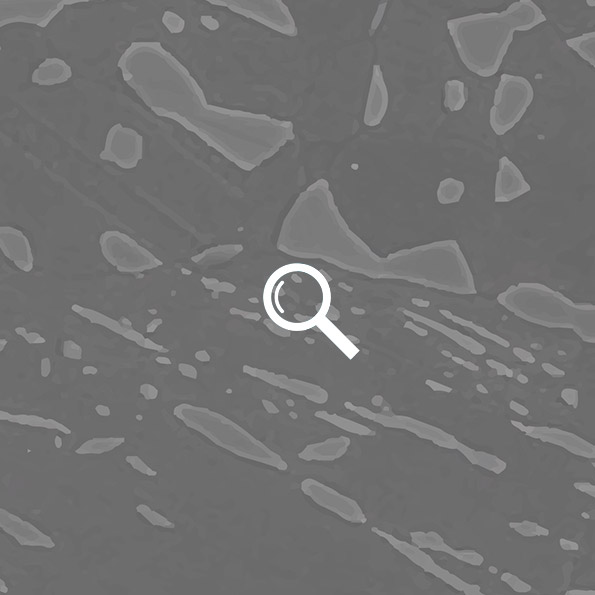
A new process developed by a team of Harvard University scientists grows an ultra-fine coating of tungsten oxide islands on the surface of steel by electrochemical deposition. Take advantage of the superhydrophobic (water resistant) properties of this nanostructured oxide while simultaneously increasing surface resistance. of steel.
In the first test, even if part of the island is Even when damaged, the material retains its properties of repelling water, oil, or biofouling fluids. This is because the damage does not spread over the entire surface.
sterile medical prosthesis
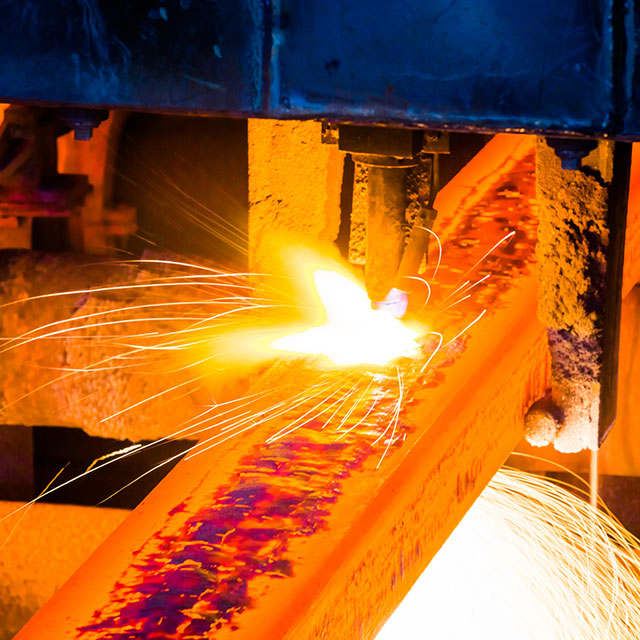
Since electrochemical deposition is a commonly used technique in industrial processes, its scalability is guaranteed. Steel can therefore be quickly manufactured for all kinds of items, both large and small. Bacteria-free scalpels and medical prostheses, e.g. better devices for 3D printing Highly viscous biological materials, polymeric materials, ships built without the need for antifouling paint, etc.
This improved steel looks like this The most durable, non-stick, non-corrosive material known today.
sauce: science daily.
