











Nigeria’s electricity crisis has entered a new phase. In cities like Asaba, households and businesses are now spending more on fuel and electricity than ever before, making solar energy the more economical long-term option.
With rising petrol prices, an unstable public power supply, and repeated tariff increases, generators are no longer the “affordable backup” they once were. The current state of public power supply is concerning, as Nigeria generates only about 4,000 to 5,000 MW for over 200 million people, resulting in persistent blackouts and unreliable electricity.
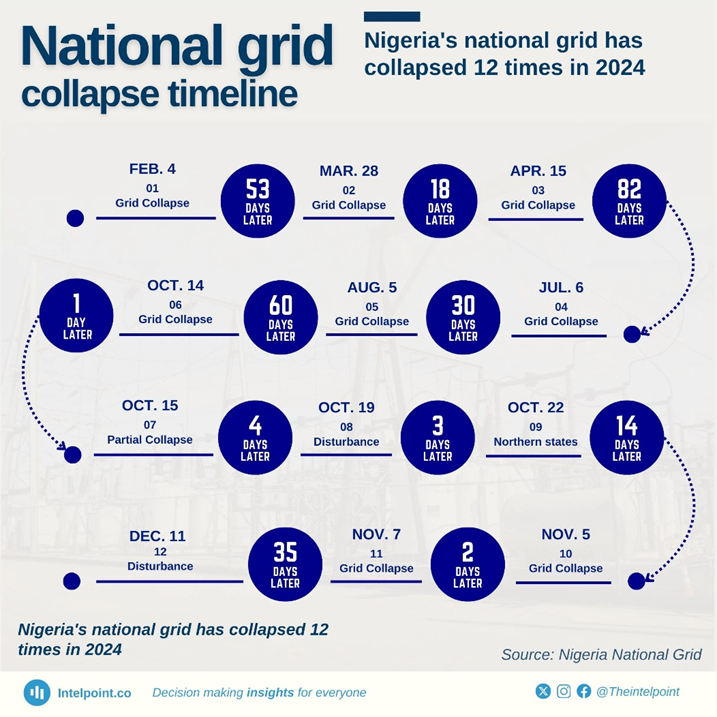
Many Nigerians receive only a few hours of electricity daily, particularly in areas like DLA in Asaba, Delta State. Despite this situation:
– Electricity tariffs continue to rise.
– The removal of fuel subsidies has pushed petrol prices above ₦900 per litre, with current prices exceeding ₦1,300 per litre.
– Businesses are now heavily burdened by the costs of generator fuel.
For many households and small to medium-sized enterprises (SMEs), energy costs have become a nightmare and a significant monthly expense.
Generator Costs Have Exploded
A small petrol generator typically consumes:
- 1-2 litres of petrol per hour
Using average 2026 fuel prices:
| Item | Estimate |
| Petrol Price | ₦950/litre |
| Generator Usage | 6 hours/day |
| Fuel Consumption | 1.2 litres/hour |
Daily fuel cost:
1.2 6 950 = 6840
Monthly fuel cost:
6840 30 = 205200
That means many Nigerians now spend over ₦200,000 monthly on small generator fuel alone.
This excludes:
- Engine servicing
- Oil changes
- Repairs
- Generator replacement
Solar vs Generator: Monthly Cost Comparison
Estimated Monthly Energy Cost (2026)
Generator ████████████████████████ ₦205,000
Public Grid █████████ ₦60,000–₦100,000
Solar █ ₦0,000-₦5,000 equivalent maintenance
Why Solar Is Becoming Cheaper
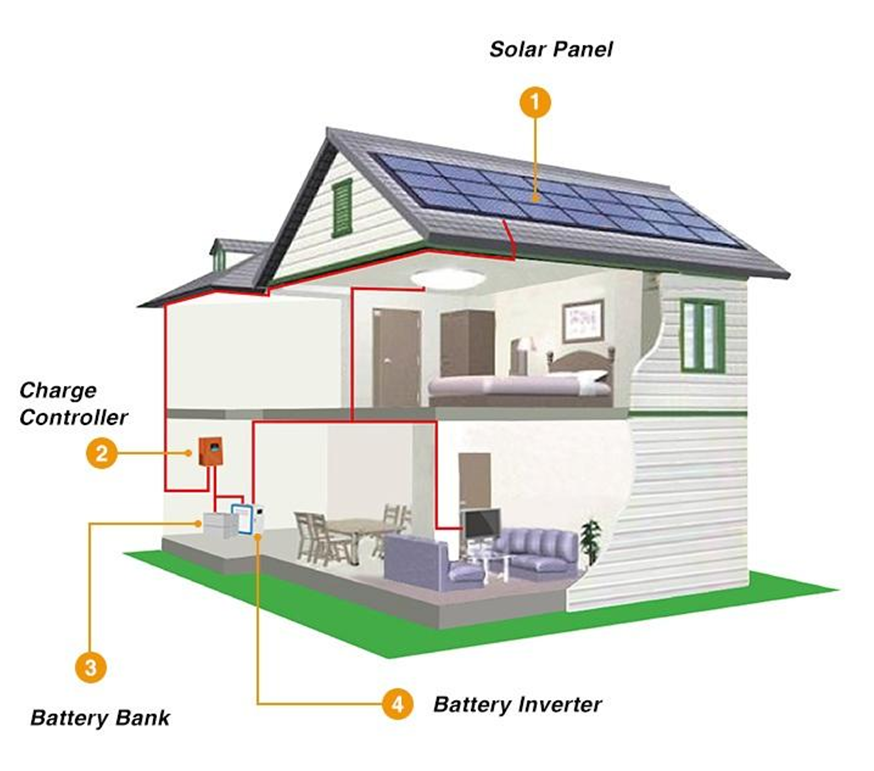
Comparison of Solar Systems and Generators
Unlike generators, solar systems offer several advantages:
– No Fuel Requirement: Solar systems do not need any fuel to operate.
– Low Maintenance Costs: They have minimal ongoing maintenance expenses.
– Daily Electricity Production: Solar panels generate electricity every day, harnessing sunlight.
Although the initial installation cost for solar systems is higher, the operating costs become significantly lower over time.
Typical Lifespan of Components:
– Solar Panels: 20-25 years
– Lithium Batteries: 5-10+ years
In contrast, expenses related to generators accrue daily.
5-Year Cost Comparison:
| Expense Category | Generator | Solar |
| Initial Cost | Lower | Higher |
| Fuel Cost | Very High | ₦0 |
| Maintenance | High | Low |
| Noise | High | Silent |
| Lifespan | 2–5 years | 20–25 years |
| Long-Term Cost | Extremely High | Lower |
This comparison highlights that while generators may be cheaper to install initially, their long-term costs are significantly higher than those of solar systems.
Why Solar Is Becoming Cheaper
Unlike generators, solar systems:
- Do not require fuel
- Have low maintenance costs
- Produce electricity daily from sunlight
Although solar requires higher upfront installation cost, operating costs become extremely low afterward.
Typical solar systems can last:
- Panels: 20–25 years
- Lithium batteries: 5–10+ years
Meanwhile, generator expenses continue every single day.
Unlike generators, solar systems:
- Do not require fuel
- Have low or zero maintenance costs
- Produce electricity daily from sunlight
Although solar requires higher upfront installation cost, operating costs become extremely low afterward.
Typical solar systems can last:
- Panels: 20-25 years
- Lithium batteries: 5-10+ years
Meanwhile, generator expenses continue every single day.
5-Year Cost Comparison
| Expense Category | Generator | Solar |
| Initial Cost | Lower | Higher |
| Fuel Cost | Very High | ₦0 |
| Maintenance | High | Low |
| Noise | High | Silent |
| Lifespan | 2–5 years | 10–25 years |
| Long-Term Cost | Extremely High | Lower |
Cost Per kWh Comparison
Energy experts now estimate that generator electricity in Nigeria costs far more per kilowatt-hour than solar.
Estimated Electricity Cost per kWh
Diesel Generator ███████████████ ₦550–₦750
Petrol Generator █████████████ ₦500–₦700
Public Grid █████ ₦200+
Solar Energy ██ Below ₦100
This means solar electricity can cost less than half the price of generator power over time.
Those who need solar energy include businesses such as salons, POS shops, pharmacies, supermarkets, schools, offices, and churches.
Conclusion
As of 2026, solar energy has transitioned from being merely an alternative energy source to becoming a more affordable option in Nigeria. While generators may seem less expensive at first, ongoing fuel purchases, maintenance costs, and rising fuel prices quickly make them far more costly in the short term.
For many households and businesses in Asaba and throughout Nigeria, solar energy now provides:
– Lower long-term costs
– Greater energy stability
– Reduced dependence on fuel
– Cleaner and quieter electricity
The dynamics of energy in Nigeria have changed, and Kowatek Solar LTD understands this shift. We take the time to educate our prospective customers on why investing in solar energy is becoming the smarter choice.
Contact us for your solar energy needs at Kowatek Energy Audit] or use our Diesel Cost Calculator to see how much you could be wasting on generators.
