











Peter Parker and Spider-Man, Bruce Banner and his alter-ego The Hulk, The Fantastic 4… If you look into the origins of many comic book superheroes, they’re very similar in their starting points of their journeys. I understand this. , radiation, material ingestion, or other accidental forms along those lines, ultimately confer supernatural powers.
It is no coincidence that we remembered them and started this article. MIT Scientists Turn Spinach Into Explosives Detection Sensor It made me think of all those fictional characters. The plants were modified by implanting carbon nanotube devices in their leaves that could detect compounds present in antipersonnel landmines and other types of landmines, according to the research team.
This given force works as follows. The presence of one of these chemicals in groundwater naturally sampled by plants causes carbon nanotubes embedded in the leaves to emit a fluorescent signal that can be read by an infrared camera. This camera will eventually be connected to her mobile device which will send alerts to the user.
This is one of the first demonstrations of electronic system integration into the plant.This approach is plant nanobionics In short, super plant engineering is becoming more and more important. But what is it all about?
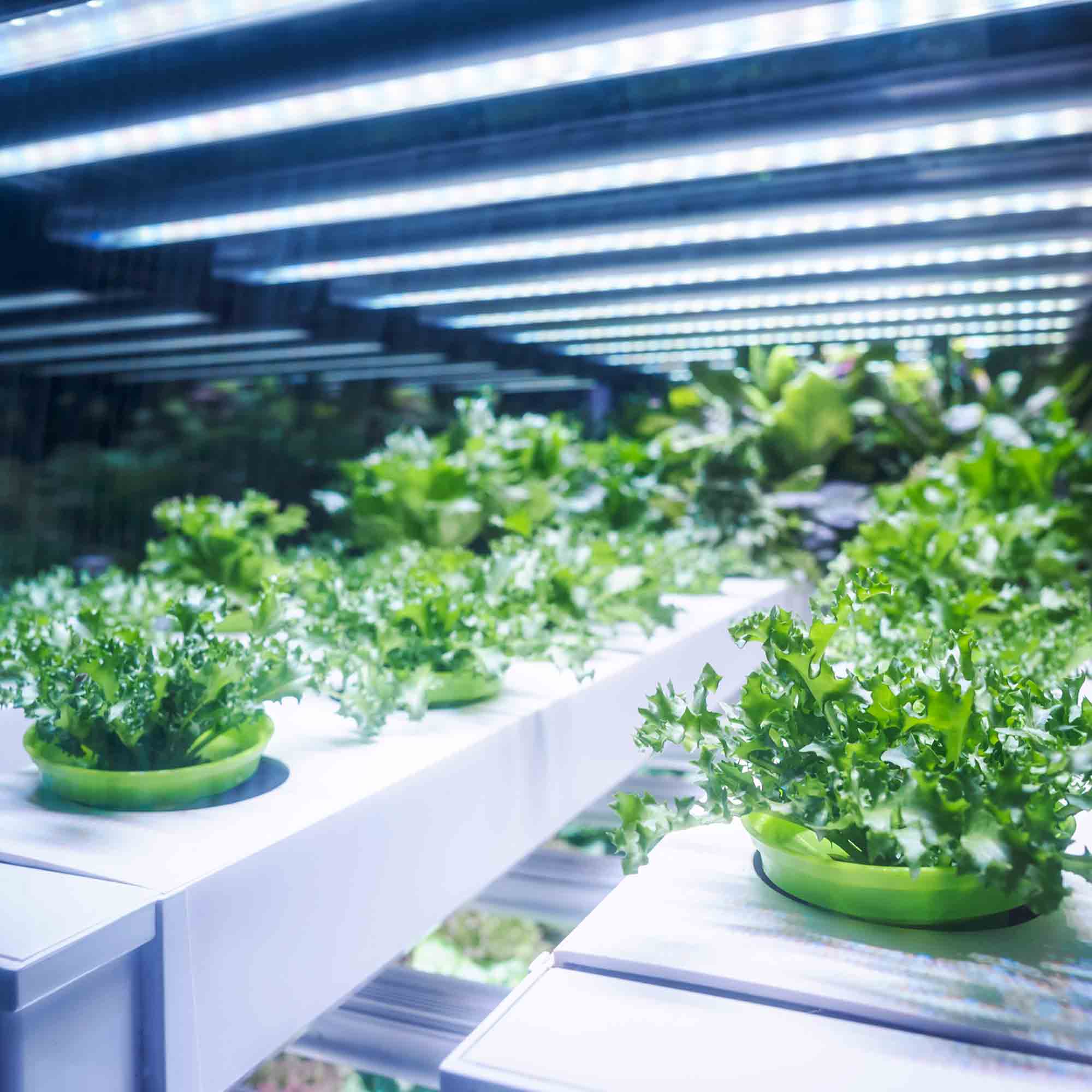
Plants that can regenerate altered soil?
plant nanobionics The scientific field devoted to embedding nanoparticles or structures into plants, providing them with functions otherwise unattainable. It is an area of biology that is still underdeveloped and, according to experts, will bring us to a point of no return in the future.
the truth is that There are great expectations for plant nanobionics to tackle problems such as pollution.These genetic or structural modifications, along with the plant’s ability to quickly gather soil information, create seeds that can detect contaminants, providing the ability to plan ahead for larger potential problems. It’s possible. The same thing happens bioremediationis a field devoted to restoring soils altered by a variety of adverse environmental conditions, and could be of great benefit to nanobionic, genetically modified plants.
Also at MIT, scientists developed Plants with enhanced photosynthetic capacity By embedding nanostructures inside cells, they can not only absorb 30% more energy from sunlight, but also detect pollutants.
This is exactly one of the principles of nanobionics: devising sensors embedded in plants to alternatively and effectively monitor pesticide use, detect infections by fungal and bacterial toxins, and many more. can know the use of
sauce: World, Scientific American
