











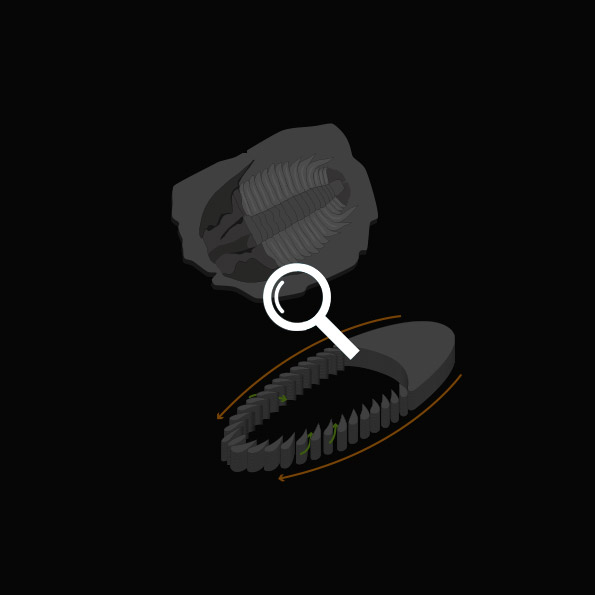
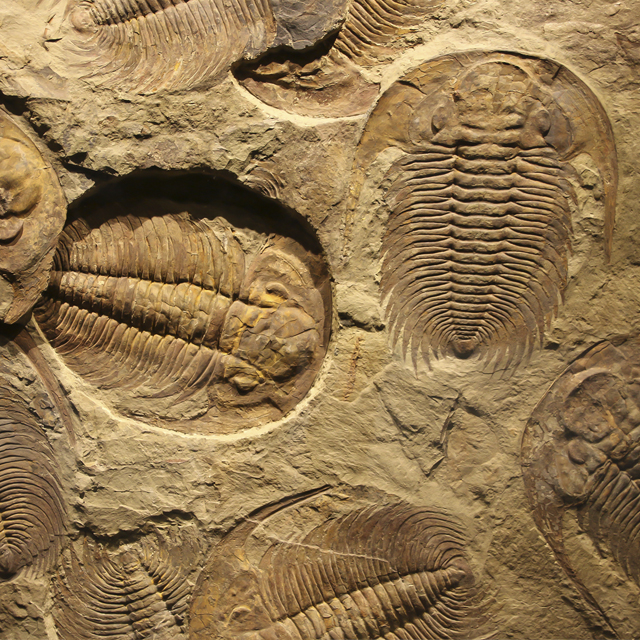
As has been shown time and time again, nature has always been a good benchmark for innovators looking to improve our daily lives.like Gecko-like glueand a duplicate of the methods used by Desert beetles in Namibia prevent freezing aircraft and wind turbines Paleozoic fossils serve as models for new scientific research to improve water quality.
Created by researchers from the Microsystems and Nanotechnology Department of the Norwegian research institute SINTEF small silicon structures resembling the oval shape of the first trilobite insects, Filters sewage and salt water by separating particles smaller than 100 micrometers (µm).
Using standard nanometer microelectronics techniques, the team designed channels and microscopic columns to allow water to flow continuously through the structure while consuming very little energy. This filtering system has two important advantages. It is flexible and expandable because the design can be changed according to the type of fluid. The gap between columns can be adjusted from 1 to 100 µm.
Field tested since 2011
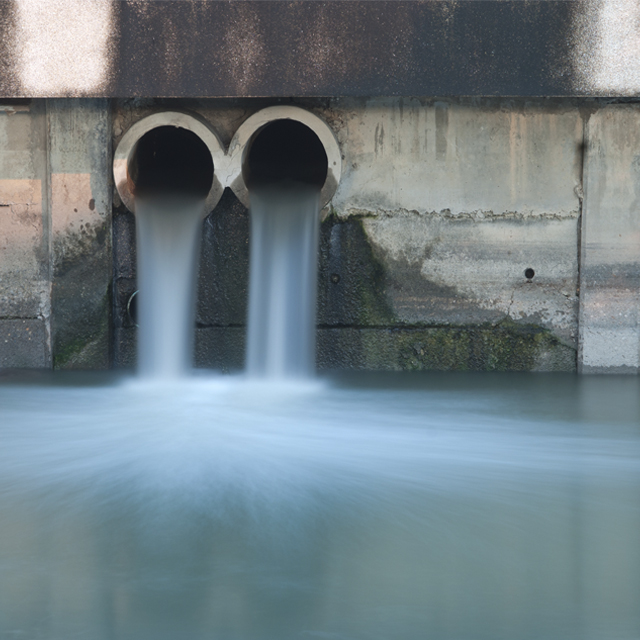
A Norwegian company, Trilobite Microsystems, has been working with these silicon structures since 2011 in various projects, coming up with designs to filter particles as small as 2 μm. They can be used, for example, to: Prevent invasive species from polluting ports by filtering the ballast water that ships dump into the sea.
SINTEF and Trilobite Microsystems are participating in NBRIX. NBRIX is a project funded by the Norwegian Research Council. Develop applications using these structures for industrial water decontamination, drinking water purification, and blood cell separation in the health department.
Incredibly, for millions of years, Prehistoric Nature Offers Valuable Solutions For the development of cutting-edge technology.
Fuente: Science Daily.
