











The deadly quake and aftershocks that slammed parts of southern Turkey and northern Syria early Monday morning have now killed more than 20,000 people.
As of Thursday, Turkey’s National Emergency Management Agency had reported more than 17,000 dead and more than 70,000 injured. Meanwhile, the Syrian Ministry of Health reported 1,347 dead and 2,295 injured.Rescuers in the northwest of the rebel-held country reported At least 2,030 dead At least 2,950 people were injured.
As brave rescuers continue to sift through the rubble of collapsed structures, there is growing concern over the tens of thousands of people injured and the crisis making millions more vulnerable. .
“Fundamentals of Life”
The head of the World Health Organization in the Syrian Arab Republic, Iman Shankitty, said Wednesday: “The need for health is huge.” Commenting on the situation in war-torn Syria, she added: .”
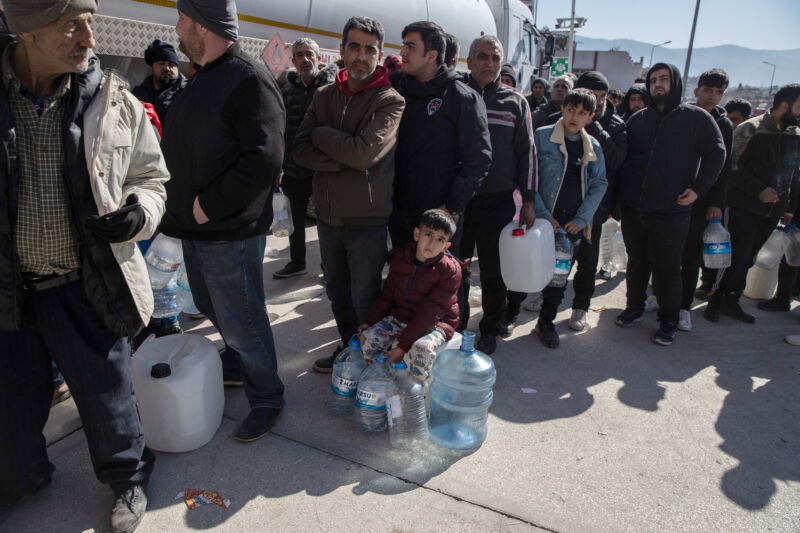
WHO’s earthquake response incident manager Robert Holden says international aid and rescue teams face logistical challenges to reach affected areas while survivors struggle with ‘basics of life’ This includes access to food, water, shelter from the life-threatening cold and medical care, in addition to fuel, electricity and communication systems.
“Our immediate focus here is on saving lives, but at the same time it is essential to ensure that those who survived the initial disaster will continue to survive, and that point cannot be strengthened. Enough,” said Holden. “We are in danger of witnessing a secondary disaster that can damage more people than the first,” he added.
There was particular concern in Syria, where communities face a range of other public health threats, including an explosive cholera outbreak.
cholera outbreak
A day before the quake struck, the United Nations Office for the Coordination of Humanitarian Affairs (OCHA) released its latest report on the outbreak that began in August. Since then, health officials have tallied nearly 85,000 waterborne bacterial infections and 101 deaths from the acute watery diarrhea they cause. This report includes data through the week ending January 21, with 2,750 cases observed.
Syria is now one of 23 countries battling a cholera outbreak exacerbated by a global vaccine shortage. The shortage of cholera vaccines is largely due to lack of funding and a surge in epidemics worldwide.
Some of the areas hardest hit by the Syrian cholera outbreak overlap with areas heavily affected by the earthquake, namely the peri-urban areas of Aleppo and Idlib. War-ravaged and rebel-held areas around Idlib account for 28.5% of Syria’s cholera cases. The area around Aleppo accounts for 23% of cases.
Health authorities are currently concerned, among other things, about the state of water supplies. His earthquake response update from OCHA on Thursday said, “Preliminary reports indicate significant damage to water networks.” Officials expect cholera cases to rise. “Turbidity, contamination and reduced functionality have been reported, and an increased risk of water-borne illness is expected, including an exacerbation of existing cholera and hepatitis A epidemics,” it wrote.
WHO’s Shankitty reported on Wednesday that the WHO has dispatched more than 500,000 water disinfection tablets to Syria along with trauma kits.
secondary crisis
“We are experiencing a secondary health crisis because of the likely exacerbation of potential health risks,” said Adelheid Marschang, senior emergency officer at the WHO. , especially in Syria, where there are real diseases including cholera, respiratory diseases, leishmaniasis, physical and mental trauma and disability, secondary wound infections, etc. Exacerbation of chronic diseases, continuation of non-communicable care Illness due to disruption of sexuality and the ability to treat ongoing recurring health problems. is receiving
OCHA’s Thursday update also noted that an estimated 148,000 pregnant women are in the earthquake-affected areas of Syria, with 37,000 expected to give birth within the next three months. More than 5,000 people may experience complications requiring urgent care.
