











You may have heard stories of the Great Pacific Garbage Patch, a massive accumulation of debris drifting over the Pacific Ocean. is the size ofpresumed to cover With a surface area of about 1.5 million square kilometers, about three times the size of Spain, Or equivalent to Peru plus Ecuador.
Plus, this particular patch of mostly plastic debris isn’t the only one. The Earth’s oceans are dotted with islands of debris, and the dispersal and movement of debris by ocean currents make it extremely difficult to capture and remove.In addition to this, Eight million tons of plastic continue to be dumped into the ocean each year.
So far, large collection vessels have sought to track and remove the waste, and have traveled thousands of nautical miles in pursuit of it. However, the enormous effort involved has had little effect on this issue. It has been calculated that it would take thousands of years to clean the oceans with nets and boats alone.
But now, ocean filtering looks like it’s taking a giant leap. Ocean Cleanup Venture. It consists of innovative ideas aimed at directing waste to collection points rather than to them.
Miles of structures to contain waste
Boyan Slat, a young Dutch engineer aged just 20, dreams of such a static collection system with minimal environmental impact, and it will take just 10 years for the new system to clean the entire Pacific Ocean. It is thought that it may take The invention consists of a floating barrier, a V-shaped megastructure over 2km long, placed at strategic locations in the ocean. This is to collect garbage that has been dragged along by ocean currents. Once inside the barrier, the plastic cannot escape and can be collected and processed.
The project won a Champions of the Earth award from the United Nations Environment Program (UNEP) and quickly attracted the attention of numerous investors who saw Surat’s idea as a solution to the problem of marine pollution. The venture has been in the development and testing stage since 2014, The first barrier could go live in 2016Huge barriers are planned – one 50 km long! – also in other parts of the world.
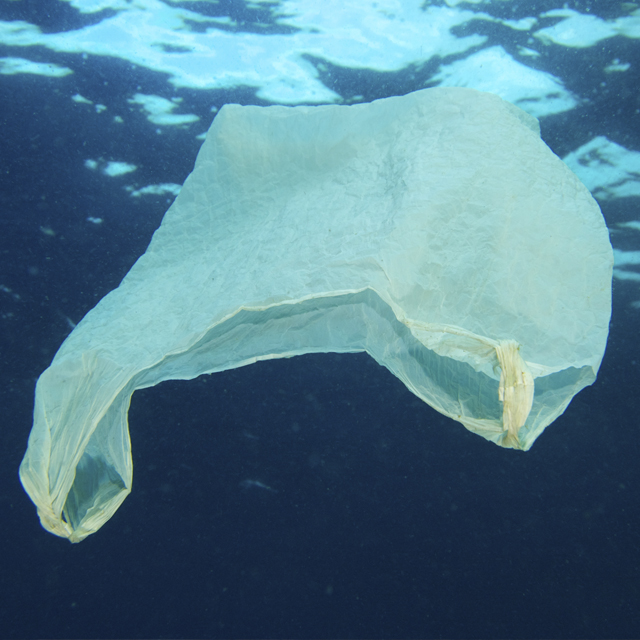
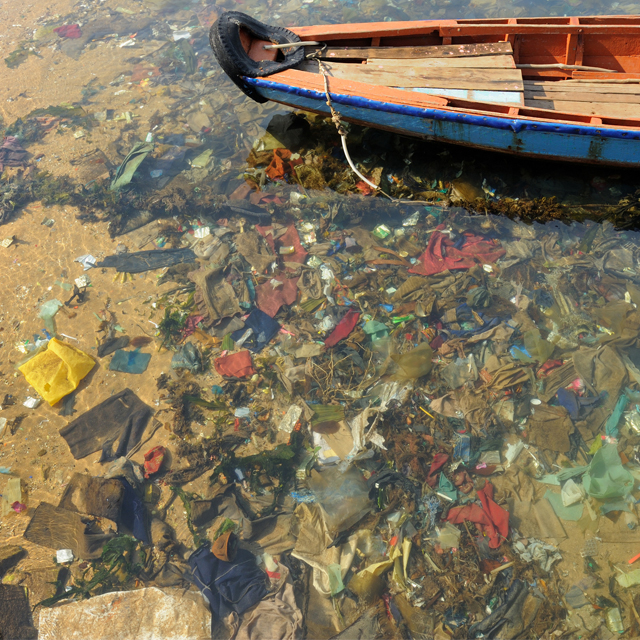
But do they endanger marine life?
In general, most experts believe the project is viable, but some oceanographers question how it would apply. Structures can cause a boomerang effectaccumulating a “curtain” of plastic under the water beneath it, endangering marine life.
So is there a definitive solution to removing the mass of plastic that we dump into our oceans?
sauce: Gizmag and ocean cleanup.
