











Google Loon Project Lead Mike Cassidy said:
Until now, defining the Internet as the network that connects people all over the world to each other has been more of a slogan than a reality. Developed countries enjoy high connectivity rates in most regions, The Southern Hemisphere and many rural and isolated areas lack the necessary infrastructure For networks that connect them to the Internet. Until now.
Google Loon: Worldwide and Global WiFi Connectivity
Google has set a goal to bring the internet to every corner of the planet in a sustainable way, without the need to build physical infrastructure. The company launched a pilot project, Google Loon, in June 2013. It uses helium balloons that carry WiFi signals to provide Internet access to residents in areas without network coverage.
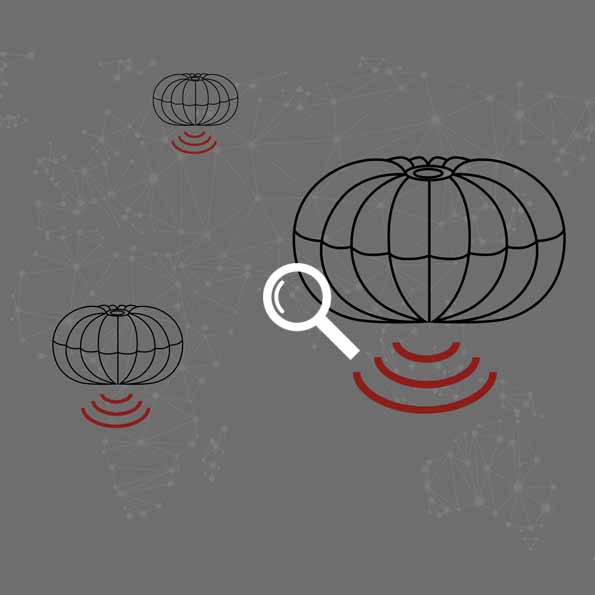
How does Google Loon work?
of google rune balloon It flies over the Earth’s surface at an altitude of 20 kilometers (twice as much as an airplane). Researchers on the project are currently Increases the time these balloons can stay in the stratosphere to 100 days.
Automated software allows the balloon to ascend and descend to seek airflow and bring it where it needs to be. Since their electrical components are powered by solar panels, Wind and sun are the only sources of energy for these mobile internet access points.
For the project to work, Google needs a fleet of balloons that orbit the Earth all the time. The pilot project, which has already placed balloons over New Zealand, the United States and Brazil, is now increasing the balloon’s autonomy while reducing the time required to manufacture the equipment required to launch and operate the balloon. We are working to reduce the number of people.
“The Google Loon balloon is flying over the surface of the Earth at an altitude of 20 kilometers 🌏”

Who is Google Loon for?
The main purpose of the Google project is to provide access to the poorest regions, especially in the Southern Hemisphere. The potential for economic, educational and health improvement is clear The company and its Alphabet research consortium don’t expect to be profitable anytime soon, but the creation of new users (estimated at more than 5 million) could bring a lot of indirect benefits to Google. calculating.
sauce: and and BBC.
