











As a result of brain damage such as from a stroke, a race has begun to regenerate the damaged tissue. However, one of the many barriers to the success of stem cell biotechnology is keeping cells alive until they are ready for action.
Injectable biometric hydrogel therapy typically suffers from high cell death rates, among other problems, due to the lack of oxygen supply and lack of a vascular network around damaged brain tissue.
Scientists have now created a hybrid hydrogel that not only provides the cells needed for tissue repair, but also provides oxygenation, maximizing the chances of cells colonizing the site.
“After an injury such as a stroke, there are dead areas in the brain that contain the blood system,” explained David Nisbett, professor and director of the Graham Clark Institute for Biomedical Engineering at the University of Melbourne, Australia. “Therefore, a temporary blood supply is needed to support the cells until the blood system is repaired.”
Developed over five years by a team jointly led by Nisbet and Professor Colin Jackson of the Australian National University, the hybrid aqueous gel contains synthetic proteins based on myoglobin. their special cells.
Myoglobin is a natural protein in muscle tissue that stores and diffuses oxygen throughout the cell. The team looked at its high prevalence in deep-diving mammals such as sperm whales and in horses, whose physiology and behavior require sustained oxygen release.
“We observe that new tissue is stimulated in a manner similar to healthy brain tissue, and are the first of the advantages of including oxygen delivery within hydrogels to achieve long-term survival and integration of stem cell transplantation.” We provided evidence,” Parrish said.
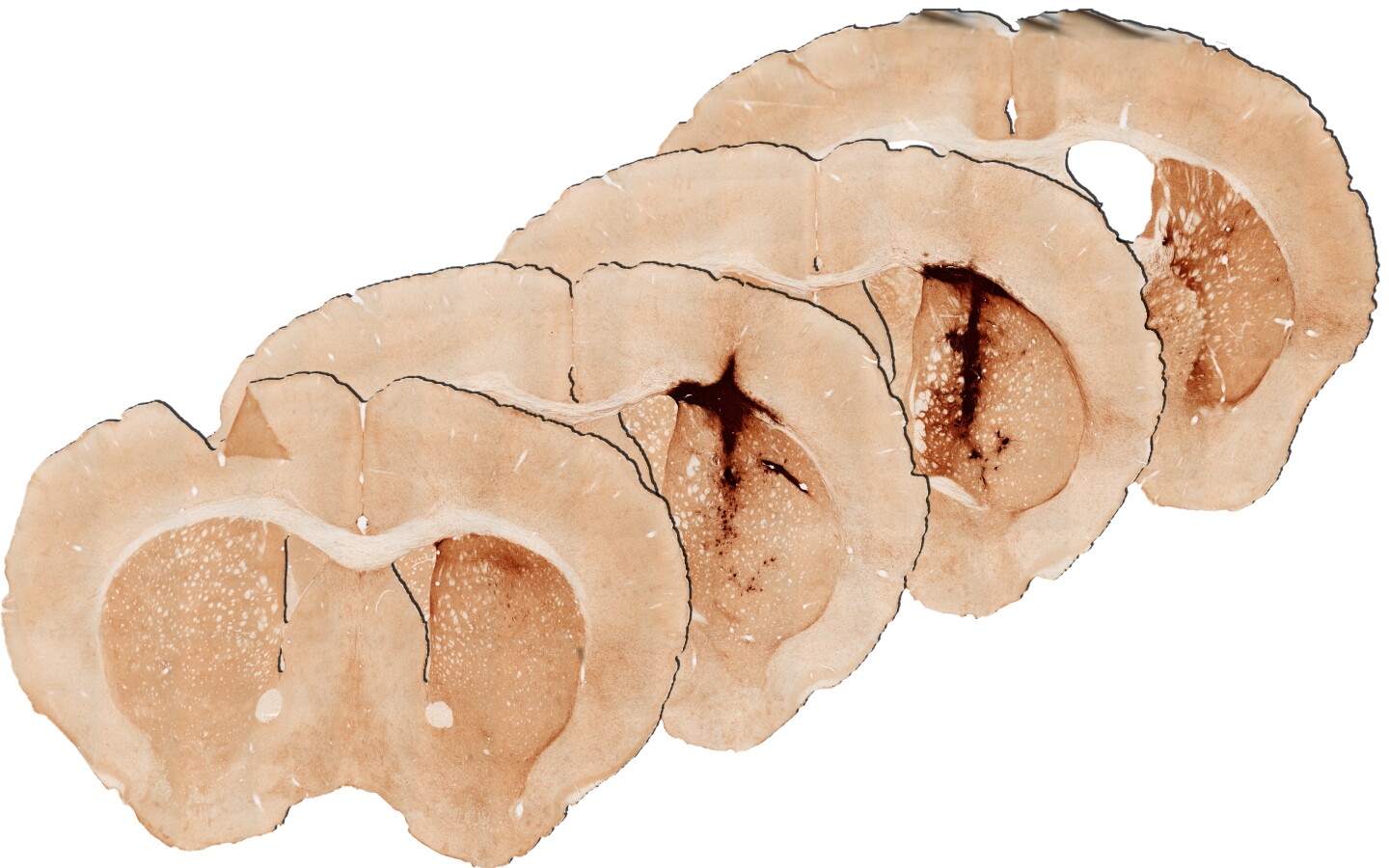
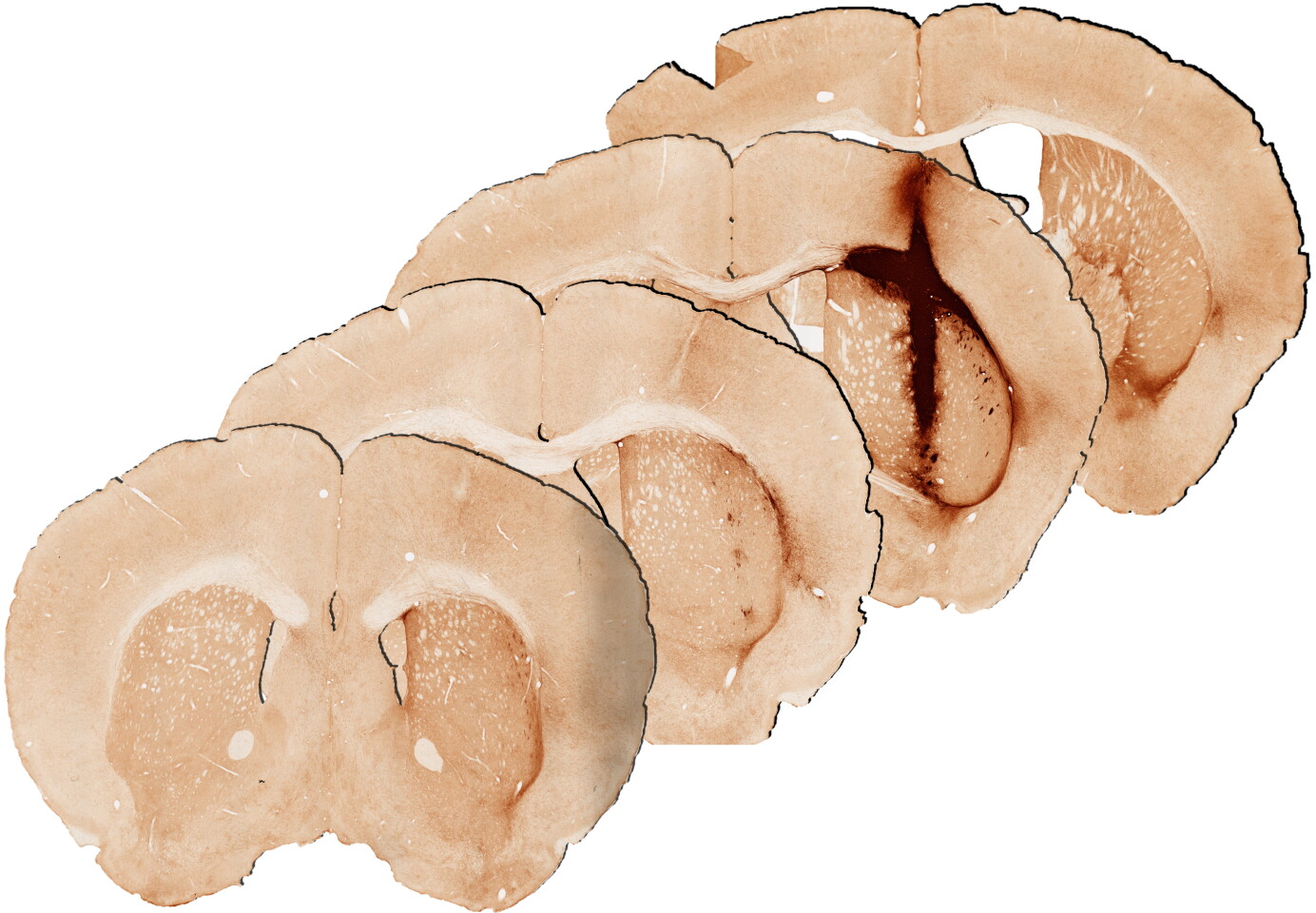
A clinical trial in mice, led by Professor Clare Parrish of the University of Melbourne, showed that the gel promoted more cell survival and improved brain tissue areas after four weeks, which could be replicated in human studies. These two cross-sections below show a significant reduction in damaged (darker) tissue material after the same period of time in the brains of mice administered myoglobin hybrid gel. indicates that
one yi
one yi
“We’ve seen hydrogels that incorporate myoglobin and stem cells repair damaged brain tissue,” Parrish said. “Analysis of the hydrogels 28 days after delivery revealed significantly enhanced survival and growth of new stem cells required for healthy brain function compared to hydrogels without myoglobin. .”
Although the study highlights limitations of cell transplantation techniques, including poor cell viability within large grafts, cell degradation, and diffusion from the focal site, the researchers believe their breakthrough is effective. We believe that it offers many possibilities for developing effective treatments.
The study was published in a journal Nature Communications.
Source: University of Melbourne
