











Imagine 150,000 new hires flocking to one campus on their first day on the job. This was his early 2022 experiment by a well-known American consulting firm. Of course, the campus was in the Metaverse.provided by the company virtual reality headset For staff who also have access to digital twin Offices of multinational companies in different countries, from Spain to Bangladesh.
It was certainly a ‘light’ experience as they didn’t continue to work in the Metaverse on an ongoing basis. In fact, Bloomberg predicts: Over 24 million jobs Created in the metaverse by 2030.
In this article, you can read about the professional impact of the metaverse in the following areas:
Virtual, Physical, or Hybrid? How to Work in the Metaverse
If the pandemic is any indication, it is that the future of work will be more flexible and that remote work will somehow take hold. However, there is a growing consensus among HR departments and consulting firms that the interaction of physical presence and “reality” continues to be important.Far from killing face-to-face jobs, the metaverse increase available options.
Thanks to technologies such as mixed reality and virtual reality, it will be possible to work in the metaverse from home or from a physical office, meeting and collaborating in person after the virtual session. .
Employees can then attend face-to-face meetings in the office using mixed reality glasses in which virtual objects are observed in the physical environment. For example, researching 3D prototypes.Then you can do Switch from mixed reality to virtual reality without changing devicesThis is a hardware approach developed by Meta. Cambria ProjectMeta’s glasses combine mixed and virtual reality and can be swapped out as needed.
The Future of Work in the Metaverse
The recent announcement of the opening of the first Metalab in Spain, dedicated to the Metaverse, which already employs more than 2,000 people, creating a new economyIt may roll out in many ways, but there is strong commitment from other players such as Meta and Microsoft. So much so that the first CMO or Chief His Metaverse Officer has already been appointed at various multinational corporations.
Metaverse “plumbing” requires programmers, usability and user interface designers, and makers of immersive hardware such as virtual reality headsets and mixed reality glasses.activities based on blockchain technologyusing applications such as NFTs and smart contracts to underpin transactions in the metaverse.
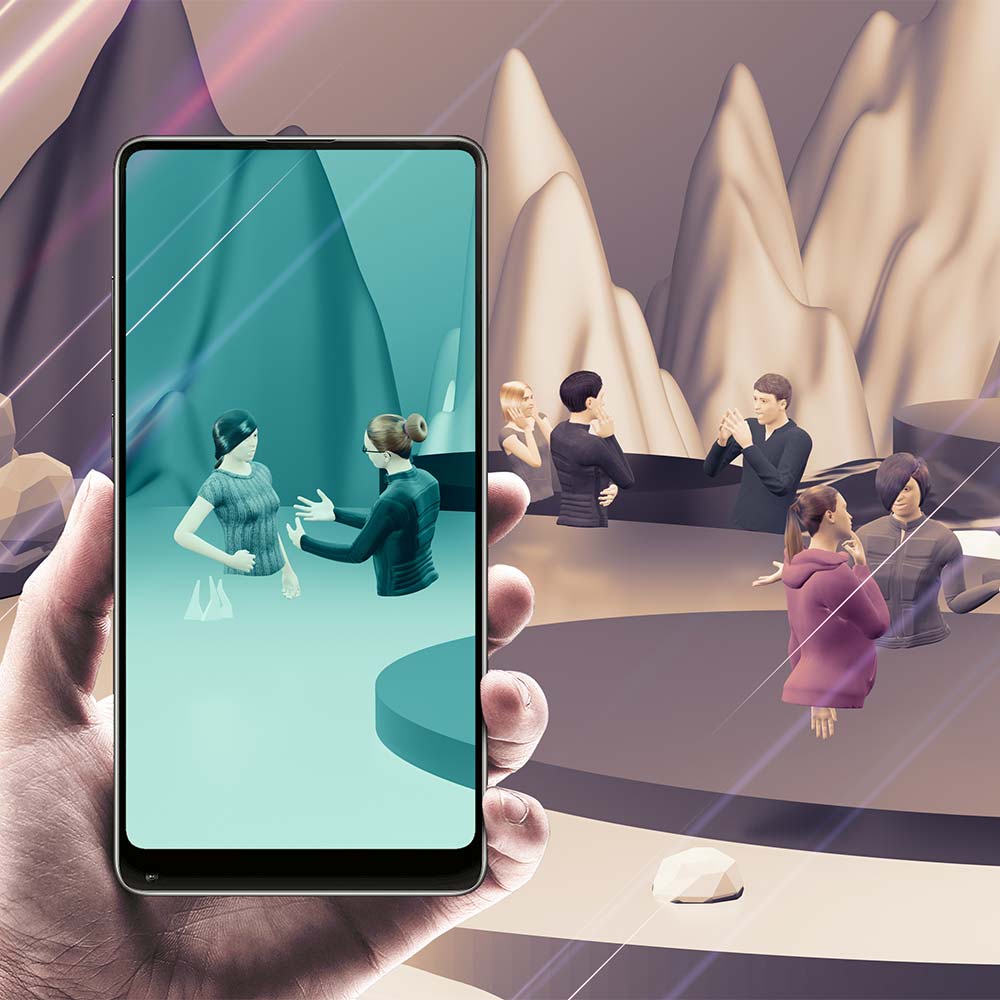
But the metaverse also spawns new ecosystems and business models. Many of them will be translations of activities from the physical world to the virtual world. An example is the auction house He Sotheby’s, which he has already opened a branch in Decentraland. Or by adapting activities that already exist on the Internet, such as e-commerce. In parallel, new professional profiles are created as follows:
- Avatar fashion designer. Companies such as Nike and Gucci have already launched footwear and clothing with NFT certificates that can be used in the Metaverse. Who knows if soon virtual shopping his assistant will also appear.
- Metaverse event organizer. One of the biggest concerts of all time was performed by rapper Travis Scott. In Fortnite he had 12.3 million spectators. Well, someone has to organize those shows.
- Metaverse architect. They become designers of buildings and virtual objects.
- Privacy and Security Officer. Just like there are security guards and police officers in physical reality, the Metaverse has experts in preventing identity theft and disclosure.
- content developer. Just as there were no blogs before the Internet, there will be new opportunities to create content that combines audiovisual and interactive aspects. And perhaps even tactile, that is, physical sensory stimuli such as a vibrating suit.
- Metaverse artist. Closely associated with content creators are artistic creators who can use their NFT certificates to exhibit and sell digital art or perform performance art actions.
As with any disruptive technology, Many of the Metaverse job applications are still unimaginable from today’s point of view. So this list will surely grow. Just in case, start thinking about your avatar’s dress code for your next virtual interview.
New Possibilities for the Elderly and People with Disabilities
We have talked many times about wearable technology to improve the quality of life for people with disabilities. A recent example is this device that allows quadriplegics to move and communicate. Well, the arrival of the Metaverse promises to open up even more opportunities for people with movement disorders and psychomotor problems.
Thanks to the use of avatars they will be able to Move freely in the metaverse environment Socially and professionally interact with other users. Not only that, hardware devices such as glasses and hearing aids improve the sensory abilities of people with visual and hearing impairments.
Ageism is becoming an increasingly common form of discrimination in an increasingly fast-paced work environment. It is also a loss of talent and experience. Working in the Metaverse promises to provide more opportunities for seniors. Think seasoned teachers moving to virtual classrooms, or medical professionals who can be consulted remotely via avatars.
Want to know more about what the jobs of the future will look like? Then check out this article on new offices and workspaces for the next few years.
sauce:
