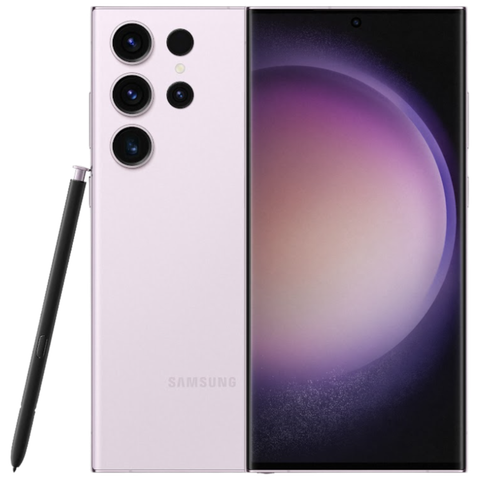




Fast charging has gotten incredibly fast in the last few years, to the point where we now have smartphones that support fast wired charging speeds of 240W and even 300W. Some of these charging features are as fast as gaming laptops, and some are equipped with the latest and most powerful graphics cards. Aside from big names like Google, Samsung, and Apple, many popular smartphone makers have jumped on the bandwagon and started supporting fast wired charging.
Google remains committed to supporting a 23W fast wired charging solution, while Apple is stuck at 20W and 27W speeds. In theory, Samsung supports 45W fast wired charging, but tests show it’s actually no faster than the 25W speeds offered across the lineup.
Most Asian OEMs already support fast charging speeds

Taking a closer look at Asian smartphone makers, the situation is quite different. Xiaomi, Realme, OPPO, OnePlus, HUAWEI, HONOR and many others are pioneers in charging systems and have come up with solutions that provide a full day of charging, often in less than 30 minutes.
In fact, Xiaomi even went so far as to show off a brand new 300W charging solution. This technology can fully charge the Xiaomi Redmi 12 Pro with a 4,100 mAh battery in less than 5 minutes. In the video below you can see the charge rate and device percentage side by side.
For reference, the new Xiaomi 13 series tops out at 120W fast wired charging, while the new OnePlus 11 supports 100W charging speeds.Realme’s recently announced GT3 supports 240W fast wired charging. It can fully charge your device from zero to 100% in just 9.5 minutes. The only question is why aren’t all smartphone makers doing this and why are they reluctant to support the new standard?
Many smartphones now support 18W “fast” charging speeds, and frankly, that charging speed should no longer be considered fast. Especially when compared to the 65W charging speeds that are becoming the norm for high-end devices in Asia. After all, many devices are sold on both continents. In the US many smartphones top out at his 80W charging speed due to infrastructure limitations but that doesn’t mean the device sold there can’t do more than that, just how to make it work there is.
New charging standard should be 65W

The new standard should be set at 65W. Here’s why. The 65W charging speed is already being used by many OEMs and is a proven solution that delivers fast, minimal heat and enough power for a day in just 30 minutes. Assuming proper optimization, the smartphone shouldn’t run into any heat-related issues and charge cycles should be unaffected.
Imagine you woke up and your phone was at 30%. Let’s say you run a morning routine that takes 15-30 minutes before you’re back on your device. At 80% to 100%, it can supply enough power for one day.
Many of today’s high-end smartphones from Apple, Google and Samsung take over an hour to fully charge. The new standard can charge most devices well below that mark, setting a new benchmark for devices sold in the West.

One of the main reasons leading mobile phone manufacturers refuse to adopt new technology is the number of charging cycles and the heat these solutions provide. However, it doesn’t seem to matter, as the new Realme GT3’s battery is reportedly able to retain 80% of its maximum capacity after 1,600 charging cycles. In overview, the European Union would like to require devices to achieve 80% of their rated capacity after 1,000 full charge cycles. Based on the numbers, these are already achievable by many of his OEMs in Asia.
Even chip makers such as Qualcomm support charging speeds of 100W and above with their new Snapdragon 8 Gen 2 SoCs. OEMs no longer have excuses for not providing faster charging solutions. It’s time to upgrade and support competitive speed.
Interested in fast charging speeds? If so, what do you think the new standard for smartphones should be? Let us know in the comments below!
-
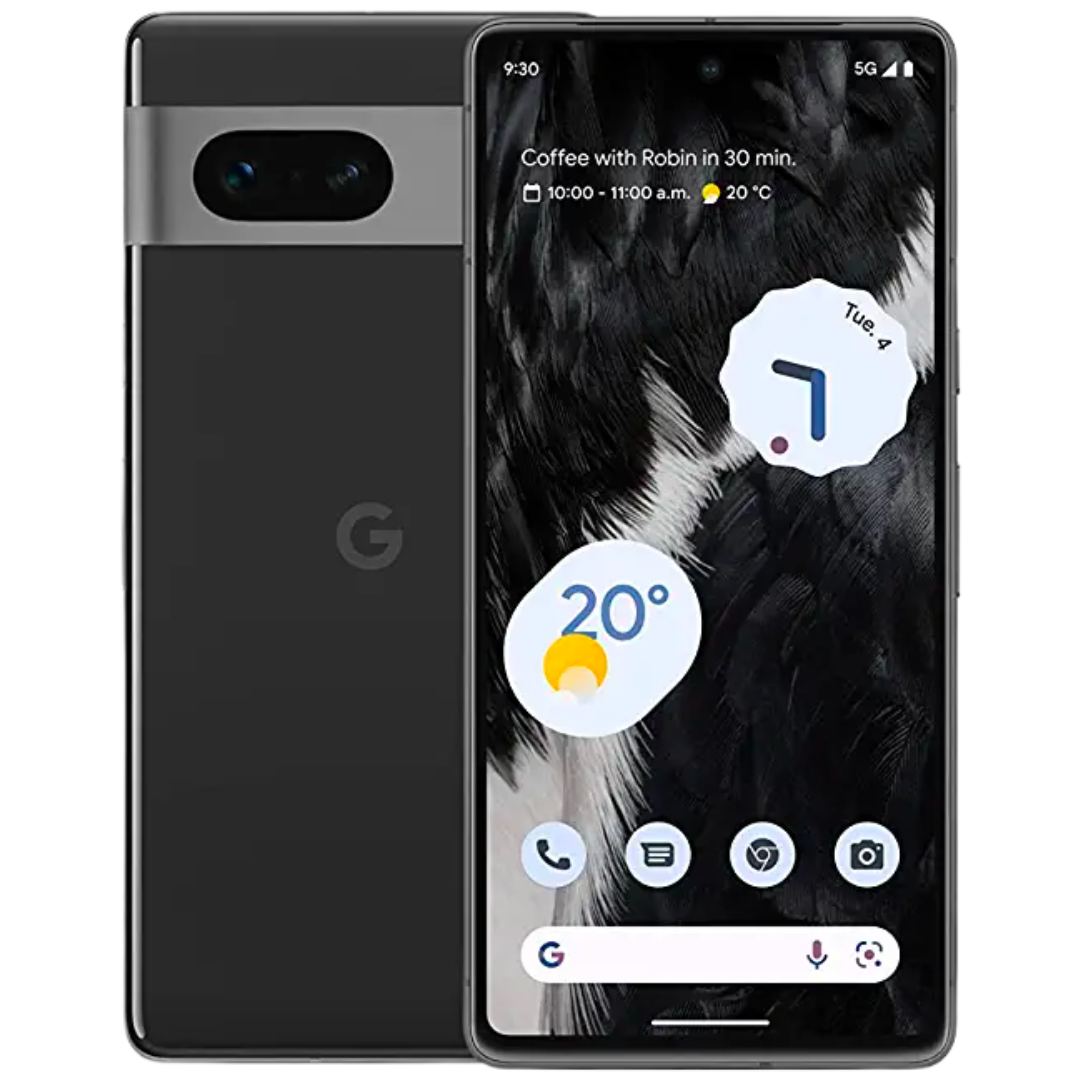
google pixel 7
The new Google Pixel 7 is powered by the all-new Google Tensor G2 chipset. The device is combined with 8 GB of memory and has a storage tier of 128/256 GB. The phone comes with a significantly improved camera system, making it even more portable than the previous generation. Pixel 7 comes in Obsidian, Lemongrass, and Snow colors.
-
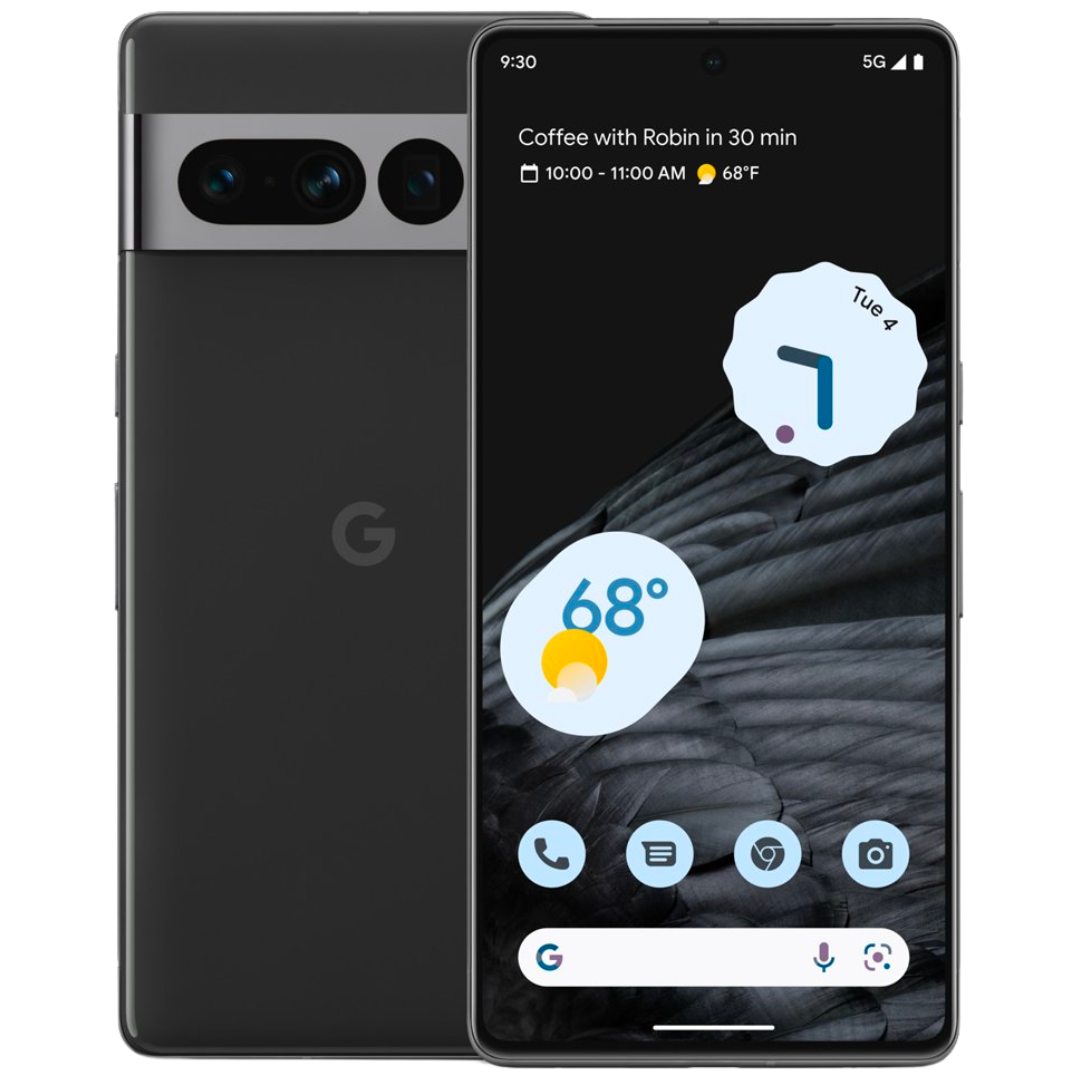
google pixel 7 pro
Equipped with the new Google Pixel Tensor sensor, the Google Pixel 7 Pro delivers great graphics performance and computing power to easily play your favorite games and multitask. The device also has advanced camera settings backed by proprietary post-processing algorithms that help achieve excellent results.
-
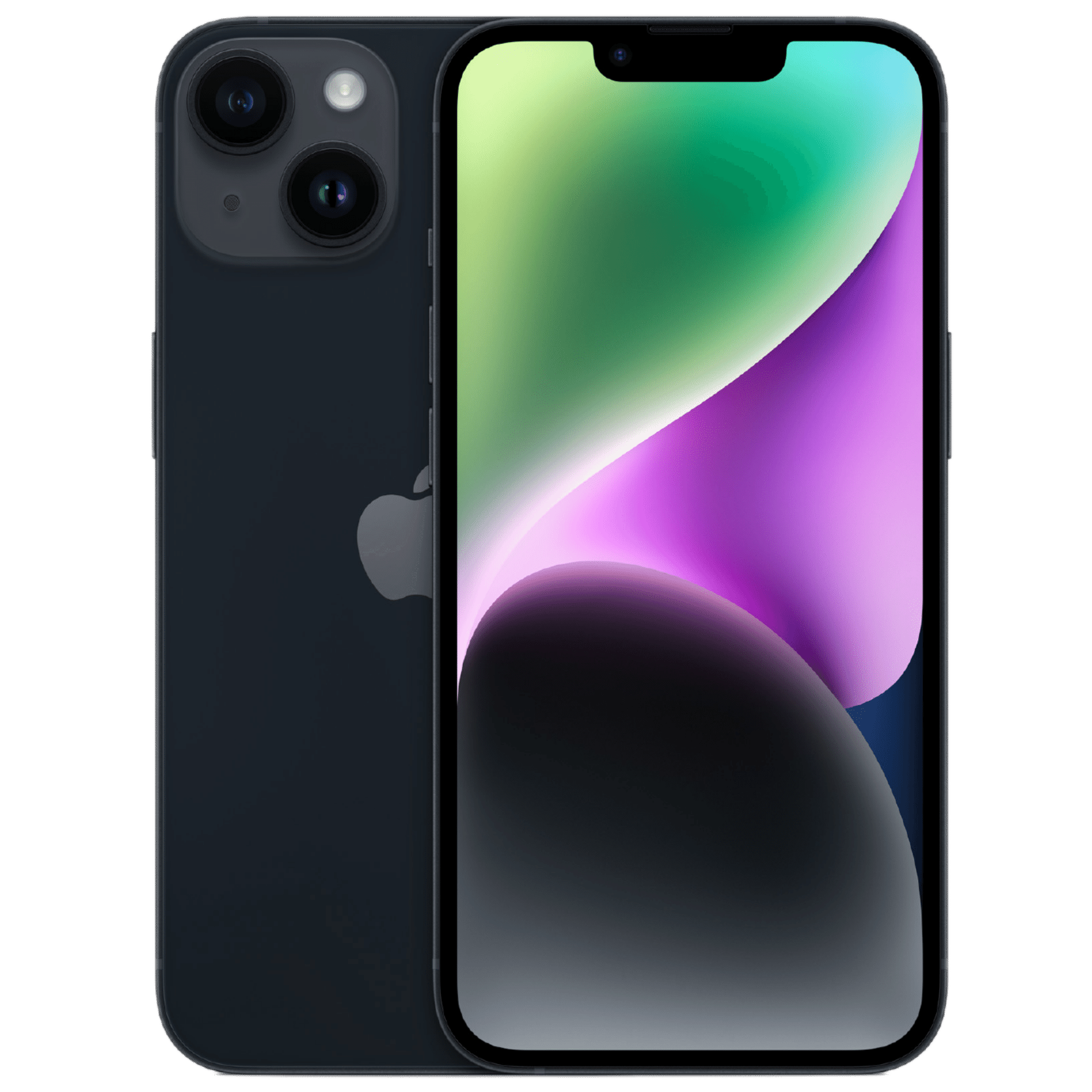
Apple iPhone 14
The iPhone 14 enters the market as the smartphone of choice when you want high-tier performance, great cameras, and battery life that will last you through the day.
-
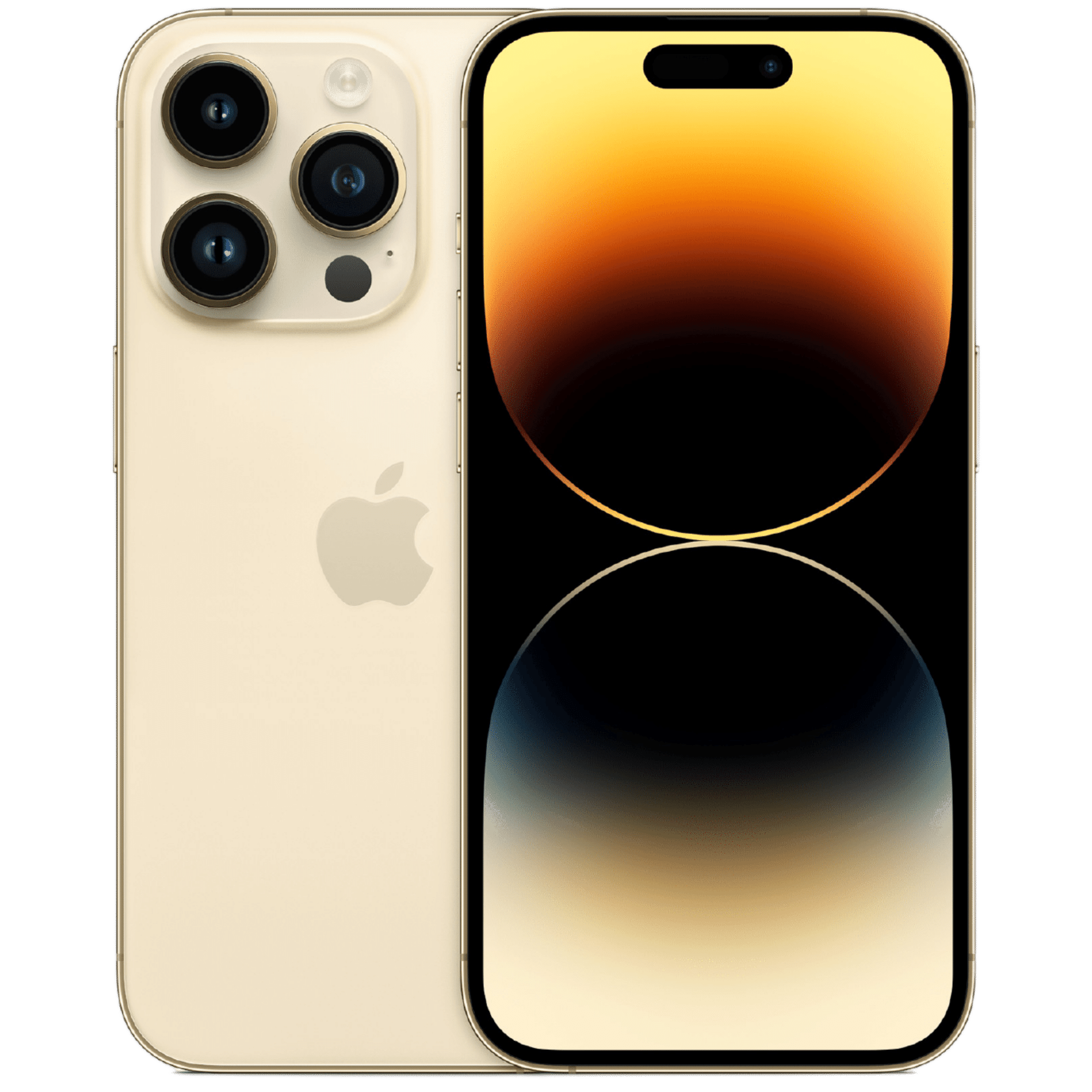
iPhone 14 Pro
The iPhone 14 Pro is the brand’s latest premium smartphone. It features a new circular ‘Dynamic Island’ notch, a 48MP primary camera sensor, an A16 Bionic chipset and more.
-
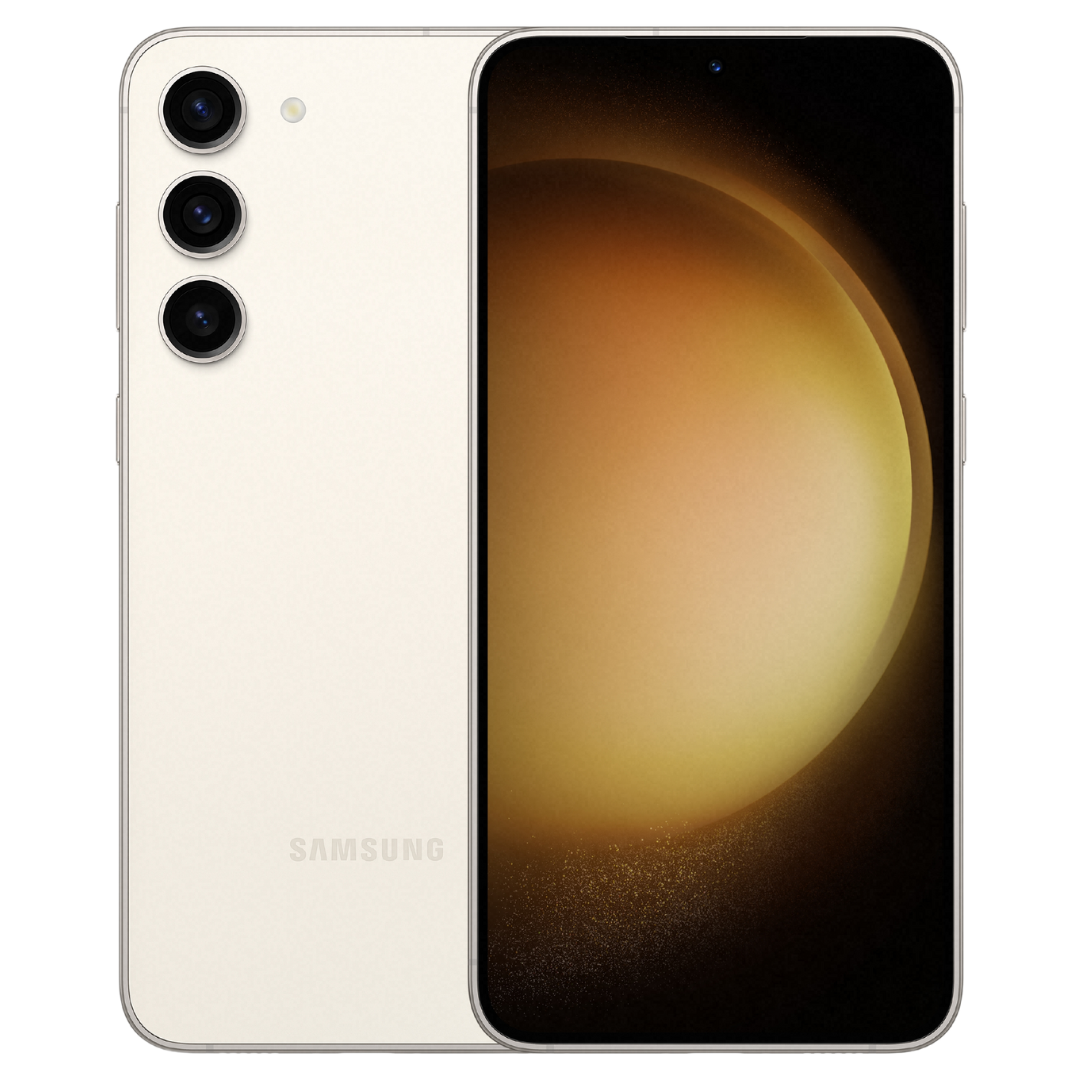
Samsung Galaxy S23+
The Samsung Galaxy S23+ offers the ideal combination of top-tier specs, features, and affordability. It packs a large 6.6-inch AMOLED display, a Snapdragon 8 Gen 2 chipset, and a triple camera array that’s proven to be reliable in every scenario.
-
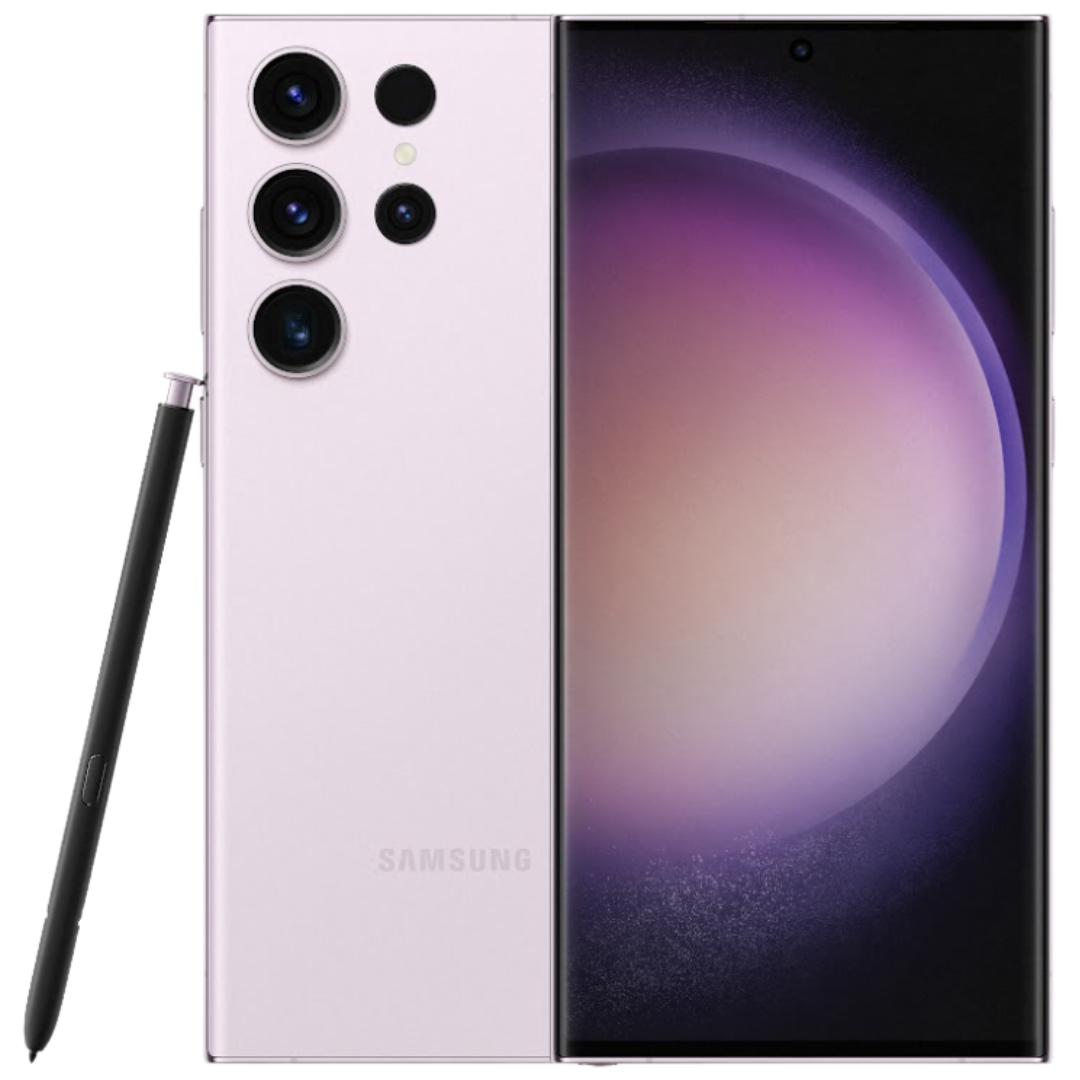
Samsung Galaxy S23 Ultra
The new Galaxy S23 Ultra is Samsung’s flagship product for 2023. Powered by the new Snapdragon 8 Gen 2 chipset, and at the same price as its predecessor, it comes with improved gaming and camera features to help you capture the perfect moment. .