











Many might say that the smartphone industry has plateaued in terms of innovation, but recent developments in flexible screen technology prove otherwise. Already revolutionizing the way we interact with our smartphones, the rolling screen announcement at MWC 2023 suggests that the technology is poised to have a major impact on the industry as well. In this article, we’ll take a closer look at foldable and rollable display designs, their pros and cons, and see which smartphone design is better.
foldable display technology
The concept of foldable displays is no longer a mystery in today’s world. In fact, we can even say that foldable smartphones will become mainstream by 2023. However, the technology behind this type of display is largely unknown. Foldable screen technology, as the name suggests, refers to screens that can be folded in half like a book or piece of paper.

Folding screen technology is very complicated. It consists of a flexible OLED display, a touch sensor, and multiple layers of protective coatings. These layers are then fused together to create a single display that can be folded without damage. Regular smartphone glass, such as Corning’s Gorilla Glass, cannot be used for this purpose. Because these glasses are hard and cannot bend like the materials used in folding screens.
Going back to foldable displays, these displays “fold” around a hinge. These hinges are very important for folding designs. Just like a piece of paper, the display can be folded in any direction, either inwards or outwards, vertically or horizontally. Smartphone manufacturers such as Samsung, HUAWEI, and OPPO have released foldable devices in various form factors over the years. So far, the three main designs adopted by these OEMs are:
- The first is the tablet-to-smartphone fold-in design seen in the Samsung Galaxy Z Fold 4. Opening the device reveals a larger, tablet-sized display. It can be folded inwards to form a smaller, more compact device. Most smartphone manufacturers have adopted this design for their foldable smartphones.
- The second is the inward-folding design that folds the smartphone into a clamshell, found in devices such as the OPPO Find N2 Flip and Galaxy Z Flip 4. pocket or bag. The design is reminiscent of his 2000s phones, but with modern technology and features.
- The third is the outward-folding phone-to-tablet design, such as the HUAWEI Mate Xs 2. This device has a flexible display on the outside. Folding outward reveals a larger, tablet-sized display. Folding it inwards makes it smaller and easier to carry.

Advantages and disadvantages of folding
The foldable form factor has many advantages, but one of the most important is the larger screen. Foldable displays allow users to fit a tablet-sized screen into a form factor for portability and portability. In fact, our very own Jaime Her Rivera loves this form factor so much that she’s come to prefer the Galaxy Z Fold 4 over other smartphones because of its larger, more versatile display.
Foldable smartphones are also great for people who multitask on their devices. The larger screen allows users to open multiple apps side by side, making it easier to perform multiple tasks at once. Google has also worked hard to make Android suitable for such devices and make its big screen realm.
However, every coin has two sides. One of the most significant drawbacks of foldable displays is the crease in the display. Like a sheet of paper, foldable displays form creases when folded and unfolded. This can affect your overall viewing experience. Many companies have worked to minimize creases, but have yet to find a practical solution to address this problem. is a moving part and can wear out over time. This can lead to issues such as reduced durability, reduced functionality, and increased risk of device damage.
Then there’s the issue of gaps between the folded parts of the display when the phone is in its folded state. This gap can become a weak spot in the device as dust, and other particles can easily accumulate inside and damage the display over time. , has developed a solution to address this problem, but Samsung’s Galaxy Z Fold 4, currently the most popular and widespread foldable device, still has a noticeable gap in its folded state.
It’s also worth noting that foldable smartphones and devices are still relatively new and come with hefty prices. This means that only a select few can buy them, limiting their appeal to niche markets.Another drawback is their thickness and weight, which can be a hassle to carry around. .
Rotatable display technology

A roll-screen technology that allows the display to be rolled up like a scroll or piece of paper. They’re more like foldables in that they also use flexible OLED displays and multiple layers of touch sensors, but instead of folding, they have a motorized mechanism that rotates and unfolds the screen. , by clicking a button or activating a mechanism via software, one part of the display moves away from the other, making the tablet-like display larger.
Nevertheless, it’s worth noting that rollable screen technology is still in its infancy compared to its foldable counterparts. The newest company to join. However, there are currently no commercially available rollable smartphones on the market. Rotatable smartphones also offer new ways to design smartphones, but their development also aims to address certain limitations associated with foldables.
Rollable pros and cons
Similar to foldable devices, rollable screens can expand and contract according to the user’s needs. Not only does it provide a more flexible and adaptable experience, it can adjust to the content being displayed. Compared to traditional smartphones, it offers a larger screen area without being bulky like a foldable.

Foldable screens have a crease in the middle that can be distracting when viewing content or using the device. Rotatable devices usually do not have folds to provide an unobstructed display. Plus, rollable screens don’t have gaps like foldable devices.
Another advantage of rollable screen technology is that it eliminates the need for a second cover screen. Foldable smartphones typically have a smaller cover screen, allowing users to access basic functions such as answering calls and checking notifications without opening the device. However, this secondary screen can limit functionality and increase the overall thickness of the device. Rollable screens eliminate the need for secondary screens because the device can be extended or retracted to give more or less screen real estate as needed.
Rollable screens are also available in various form factors. Foldable screens are usually limited to book-style tablet or clamshell-like designs, while rollable screens are available in a variety of configurations. For example, rotatable screen technology is also available in laptops such as the Best of MWC 2023 award-winning Lenovo Rollable Laptop Concept. This gives device manufacturers more flexibility to create their own innovative designs.
However, it also has some drawbacks. Rotatable screens have a motorized mechanism that allows the display to expand and contract, making them prone to failure over time. This can be a concern for users who rely on their smartphones for daily use and need reliable and durable devices.
Like flip phones, roll phones tend to be bulky and thick. This is because the motorized mechanism required to extend and retract the screen takes up a considerable amount of space. Also, as I mentioned earlier, there are currently no rollable smartphones on the market. This is partly because the technology is very new and the high production costs associated with rollable technology.
Which flexible screen technology is better?
Overall, both foldable and retractable have their own strengths and weaknesses. There are many foldable smartphones available today, but they have many drawbacks, such as low durability and creases in the middle of the display. Rollable smartphones, on the other hand, offer a more flexible and versatile experience, but can be prone to malfunction and have limited availability.
After all, it’s safe to conclude that both folding and rotating are still in the early stages of development. As manufacturers continue to experiment with these new technologies, we can expect to see improvements in technology and design in the coming years.
-
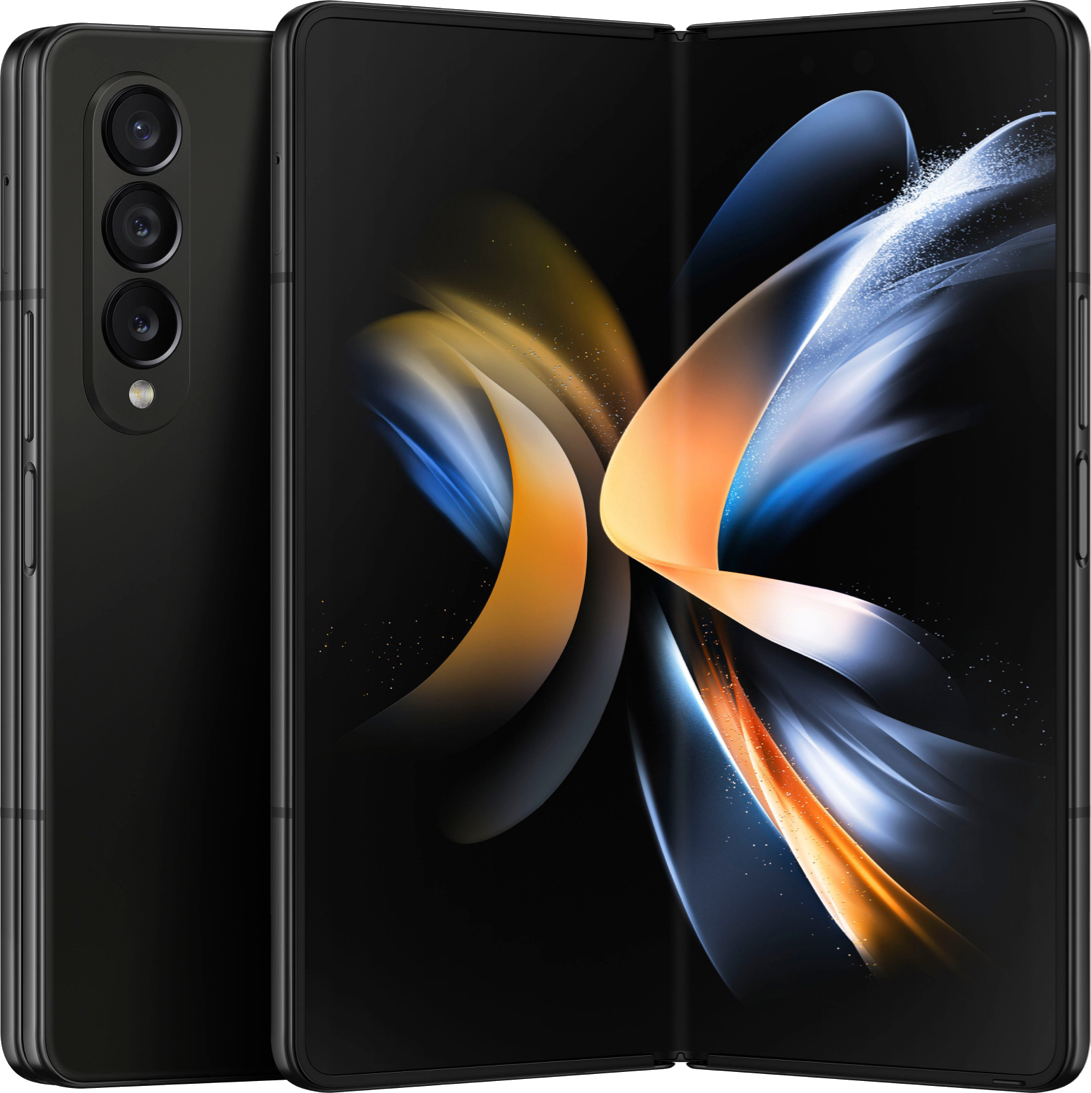
Samsung Galaxy Z Fold 4
The latest Samsung Galaxy Z Fold 4 comes with the most powerful Qualcomm SoC, wider display, better hinge mechanism and many significant upgrades over its predecessor.
-
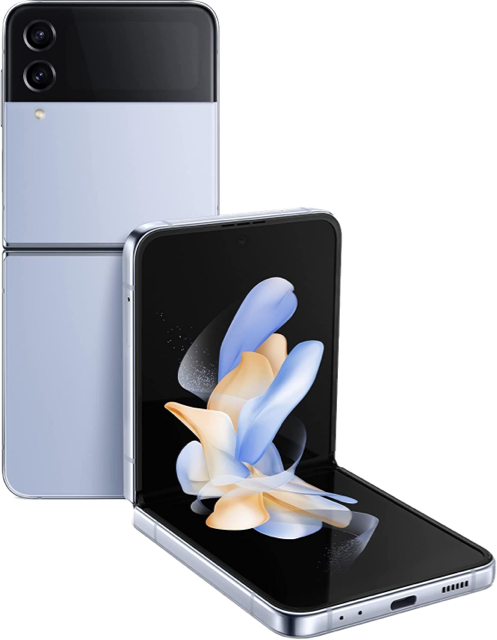
Samsung Galaxy Z Flip 4
The latest Samsung Galaxy Z Flip 4 has the most powerful Qualcomm SoC, better hinge mechanism and 1.9 inch Super AMOLED cover display.
-
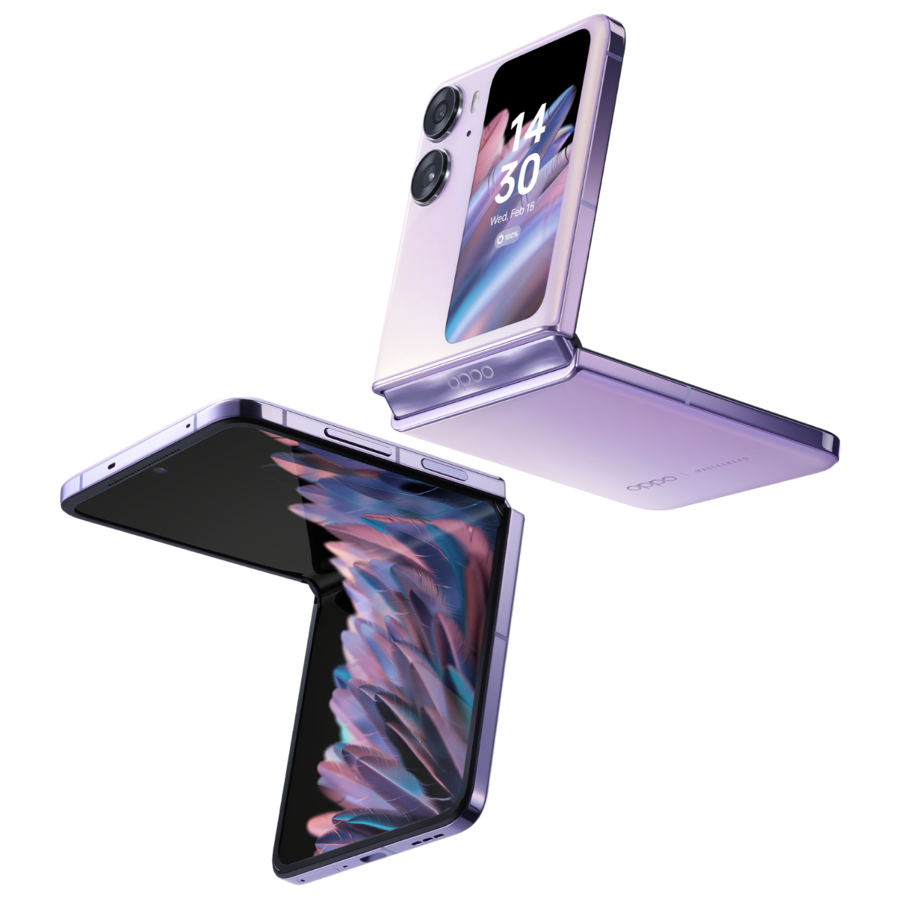
Oppo Find N2 Flip
The OPPO Find N2 is the latest Samsung Galaxy Z Flip 4 rival on the market. It features a large 3.26-inch cover display, a large 6.8-inch main display, a dual camera setup with a 50MP primary camera, a 4,300 mAh battery with 44W USB-C charging support, and more.


