











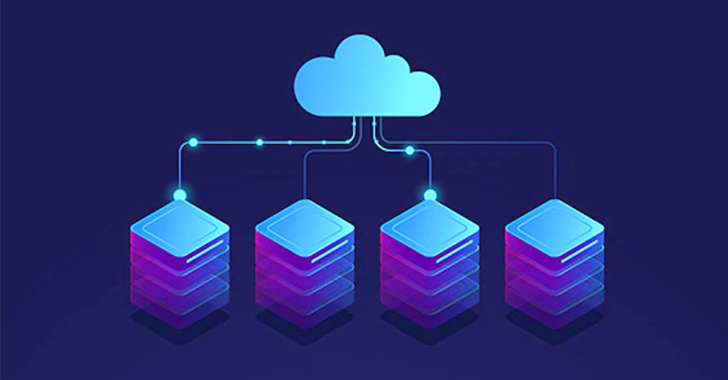
Multi-cloud data storage, once a byproduct of large-scale cloud migrations, is now a strategy for data management. “Multicloud by design” and its accompanying supercloud is an ecosystem of multiple cloud systems working together to provide organizations with many benefits, including increased scale and overall resilience.
And now, even security teams who have long hesitated to adopt large-scale cloud may find reason to rejoice. Emerging from a multi-cloud approach, cyber storage not only allows enterprises to enjoy the benefits of multi-cloud, but also eliminates the risk of data leakage at the same time, marking the beginning of the multi-cloud maturity era.
What is a super cloud?
Many organizations ended up leveraging multiple cloud services as a by-product of cross-functional needs, but today, organizations are intentionally building multi-cloud environments. Also, many cloud services implement an abstraction layer on top of the hyperscale infrastructure to combine and collaborate cloud repositories for a single purpose, rather than managing different cloud services separately. To do.
This ecosystem is called a supercloud. How an organization uses superclouds depends on the use case, but the benefits for adopters are numerous. Increased data access flexibility, streamlined operations for DevSecOps teams, increased scale and power with multiple storage providers, reduced single point of risk, and more. Failure if one cloud provider goes down.
Cyber Storage: Leveraging Multi-Cloud to Strengthen Data Security
Whether or not a multi-cloud environment is by design, one thing remains the same. Security teams are tired of large-scale cloud adoption. And for good reason. With ransomware attacks continuing to grow at an annual growth rate of 13%, wouldn’t more cloud storage equal more data vulnerability gaps that need to be filled? Evolution addresses these issues. Adopting the super cloud concept, cyber storage You can create a virtual layer on top of disparate cloud repositories and add your own security controls that really benefit from multi-cloud storage growth.
A fusion of high performance security and accessible storage, cyber storage entered the data security scene in 2022 when Gartner coined the category. The technology is specifically built to withstand ransomware and other malware attacks against data repositories, and includes the ability to self-heal and recover compromised data, as well as native safeguards for data in the event of an attack. It has proactive technology to better block and respond to attacks at times. Level of protection from exposure or spill even if perimeter defenses are breached. There are several approaches to cyberstorage, data harbor Specifically, it leverages multicloud to improve data security.
How cyber storage protects against ransomware and data exfiltration
data exfiltrationhas replaced pay-to-decrypt ransomware monetization tactics, becoming a daily fear for security teams. Stolen data is a boon to ransomware attackers, and threats of exposure and disclosure increase their leverage over victimized organizations, requiring increasingly higher ransoms to be paid to maintain data integrity. will not be. Recent notorious exfiltration attacks, including the 2022 LastPass breach in which encrypted backups and MFA policies were stolen along with sensitive customer data, have fueled an industry-wide debate about underlying vulnerabilities. T: Intact and networked data is never safe from compromise. In this case, even common data-level protection measures like encryption and MFA were compromised.
A cyberstorage solution utilizing Data Harbor solves this critical design flaw. Data is fragmented and distributed across multiple storage locations that form a data harbor. It is then immediately rebuilt and used. This means that any extraction attempt in the cloud will only render bits and pieces of data that are meaningless to criminals, not the complete, usable data set. The more data locations and cloud vendors you add to your data harbor, the more resilient your enterprise will be to attacks. Only Data Harbor holds the keys to get your data back. Data Harbor also has built-in redundancy so it can self-heal from attacks and outages that occur in a single cloud repository.
Explosive growth expected as multi-cloud adoption matures
It’s a sign of market maturity that the security architecture is designed to fit into the framework of a multicloud environment rather than being an afterthought. Cyberstorage Solutions recognizes the growing trend towards interconnected “supercloud” infrastructures and offers solutions that work within this foundation. By leveraging multi-cloud infrastructure, cyber storage strengthens an organization’s security posture and protects data from ransomware and leaks. For this reason, the category is projected to grow sixfold over the next three years as businesses begin to implement anti-ransomware technology into their data storage layers.
Note: Calamu Founder and CEO Paul Lewis wrote and contributed to this article.
