











Waste disposal is one of the major sustainability challenges in the water cycle. Various technologies already exist for treating wastewater and obtaining fertilizers.in the field of sewage treatment plantOne of the most difficult problems, technically known as sewage treatment plants, is the presence of heavy metals. In addition to a range of existing systems including adsorption techniques, membranes, ion exchange and even cryogels, nanorobotic technology may offer innovative solutions.
This article presents some examples of nanorobotics in aquatic environments.
Nanorobots for wastewater purification
The University of Chemical Technology in Prague is researching new methods of removing toxic substances such as arsenic from wastewater. To do so, they turned to one of the newest and most amazing methods. Nanorobotics applications. just use a robot 200 nanometers wide Sewage can be combed without the need for a propulsion system.
The key lies in the magnetic field that allowed researchers to control their movement by incorporating iron oxide particles. Additionally, they use polymers that work as follows: “Hands” that collect pollutantsFinally, they used hydrogen and oxygen atoms that attach to toxic components in water.
These new nanorobots remain dispersed in the water. Minimum temperature of 5 degreeso Ha However, when water is heated to 25 degrees, it tends to clump together.o C. This densification traps toxic substances floating in the water. A magnet is sufficient to remove them and contaminants from the aquatic environment.
Thanks to this technology, in tests carried out in the laboratory of the University of Prague, Removes 65.2% of arsenic in water Within 100 minutes.
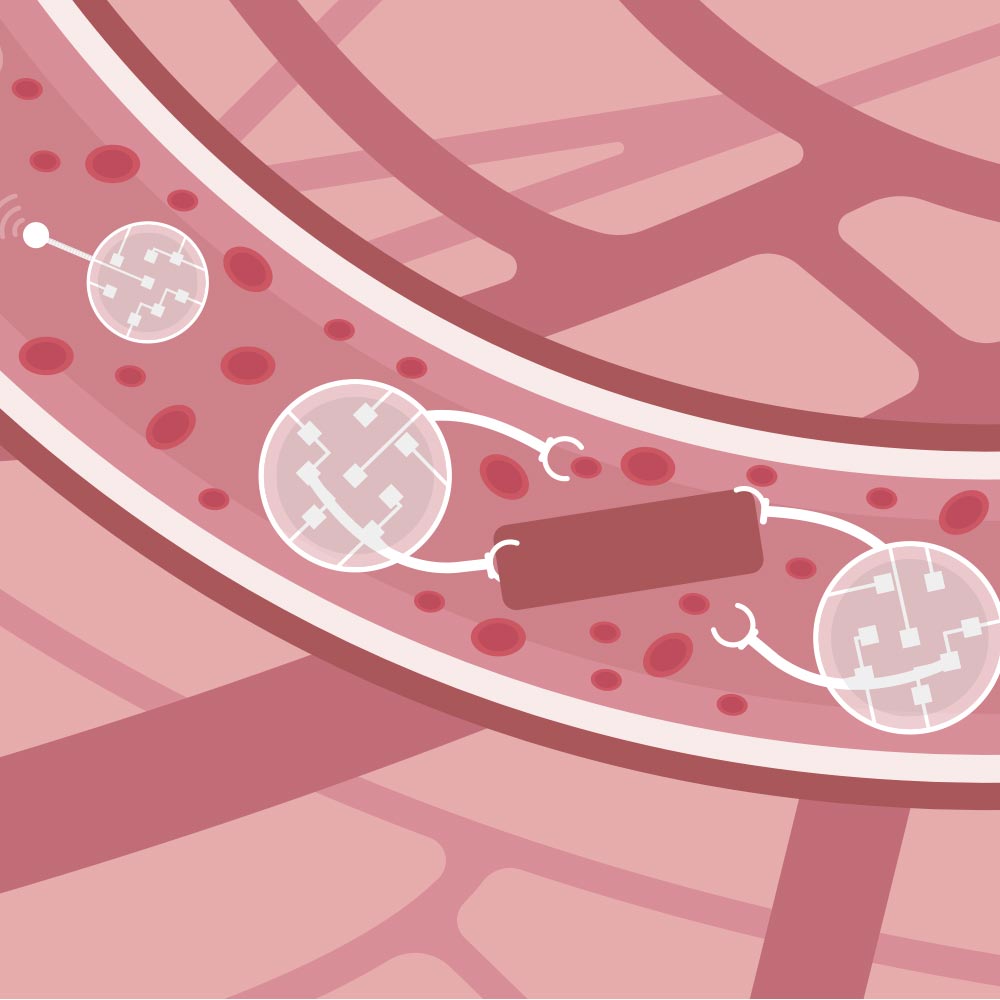
The scientists behind this revolutionary technology point out that nanorobots can be designed to collect other chemical particles to remove pollutants from water. The team believes this new technology will enable large-scale wastewater cleaning as one of the newest applications of nanorobotics.
Nanorobots against cancer
In addition to water pollution, human body Another area of research in nanorobotics. In this sense, disease detection and treatment could be a powerful ally for this technology.An example of this is the device Only 1mm in diameter Developed in a laboratory in Los Angeles, USA.
The nanorobot is designed to be injected into human tissue to reach areas affected by tumor cells, Apply chemotherapy in a highly focused manner. Nanorobots called “Bionotes” guided to the affected area by a magnetic fieldTherefore, brain tumors or tumors in areas such as the spinal cord can be treated without risk to the patient.
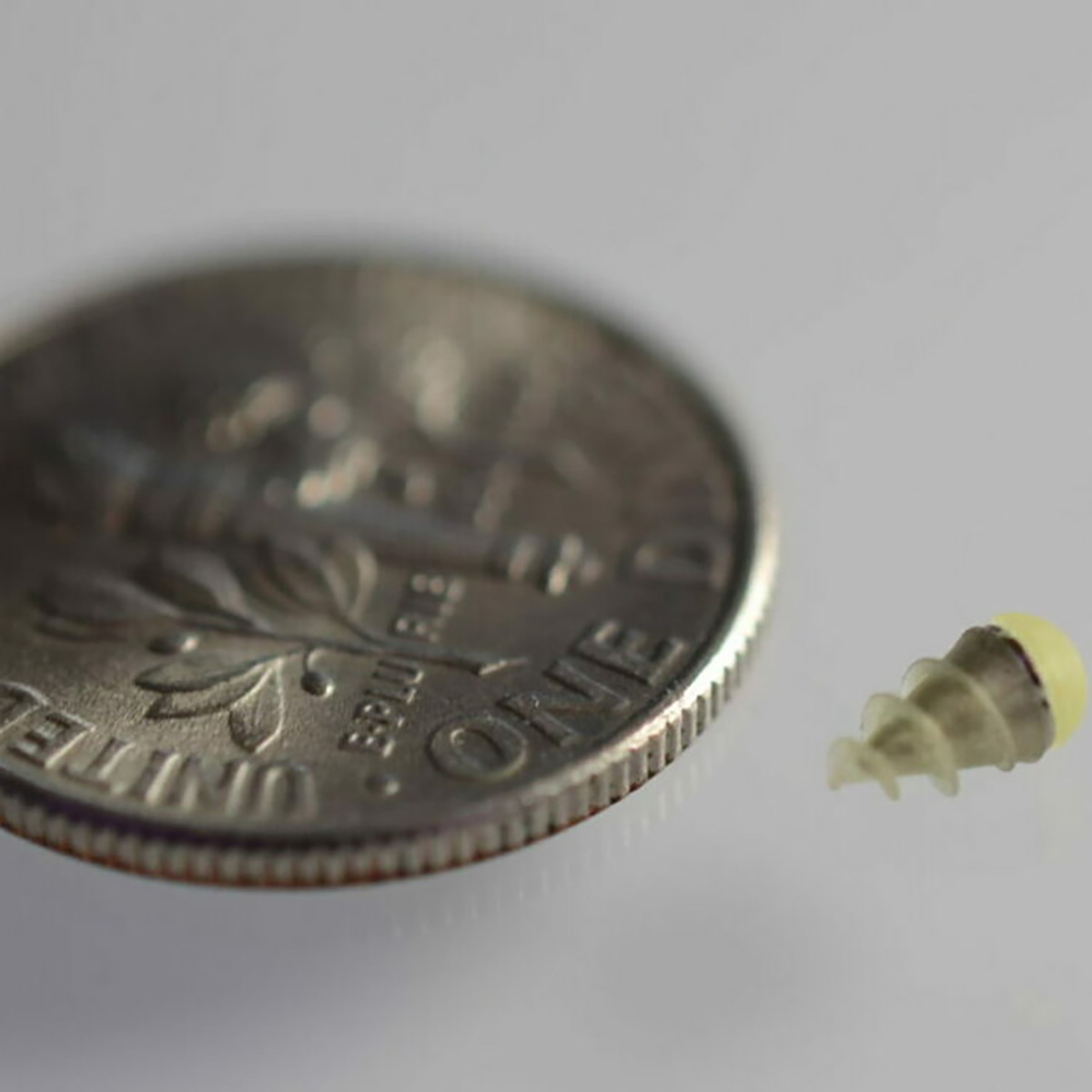
In addition to releasing cancer drugs, the nanorobot can also dissect small clusters of cells and cysts.
Biohybrid Devices, Another Application of Nanorobotics
There are even more avant-garde technologies along the line of nanorobotics applied to the treatment of disease.As reported in scientific publications cyborgs and bionic systems, This is the use of nanorobotics with biological elements. intersection between technology and biology.
This new generation of nanorobots called bio-hybrid, using synthetic moieties as containers to carry biological elements. One application of nanorobotics in this area is the use of coagulants such as thrombin that are delivered to tumor cells to stop bleeding.
This is one of the most experimental areas of nanorobotics. However, in the next few years, advances in miniaturization are expected to help overcome development and application obstacles in healthcare.
sauce:
