











“Nothing about competing in the Olympics is easy. Marketers have to be creative without relying on USOC-owned intellectual property or athlete reputations.”
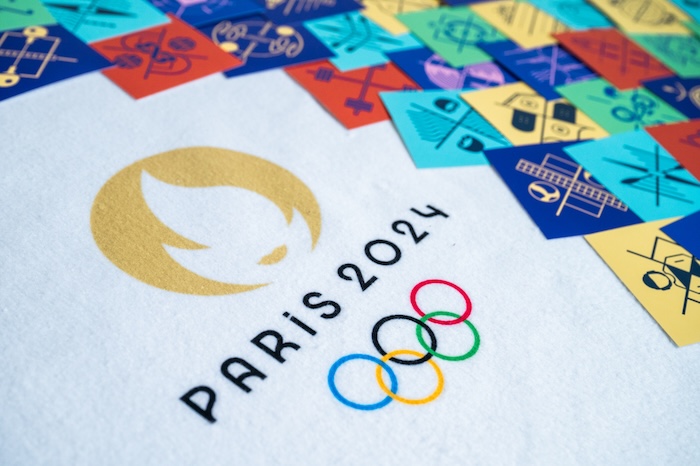 The Summer Olympics starts in just a few days, and with it comes a flurry of cease-and-desist letters from the U.S. Olympic Committee (USOC). The Olympics benefits from extra special trademark protection here in the United States. Unlike in other countries, the federal government does not fund Team USA, so our athletes mostly rely on sponsorship dollars to compete. When advertisers use the Olympics brand without authorization, the USOC views this as a loss of sponsorship dollars.
Rules of ‘the Games’
The Ted Stevens Olympic and Amateur Sports Act, 36 U.S.C. § 220506, originally passed in 1978 and amended in 1988, gives the USOC some major power against unauthorized uses of its trademark. Of particular note is that, unlike regular trademark holders, the USOC does not have to demonstrate likelihood of confusion. The U.S. Supreme Court in San Francisco Arts & Athletics, Inc. v. U.S. Olympic Comm., 483 U.S. 522, 3 USPQ2d 1145 (1987), affirmed a permanent injunction against a nonprofit’s use of the term Gay Olympic Games. The Court concluded that the Ted Stevens Act did not violate the First Amendment nor did it constitute unlawful discrimination under the Fifth Amendment. The act does carve out a few exceptions for use of the term “Olympic” in relation to the Olympic Mountains and businesses that operate in that local area, but most other commercial uses of the trademark OLYMPICS and the USOC’s other marks are not allowed without a license.
Just like any Olympic sport, there are rules–lots of rules, in fact—around how non-sponsoring brands can participate in the Games. But don’t worry, we are here to make sure you can still win without receiving a red card (i.e. a cease-and-desist letter) from the USOC.
First, the list of things that will get you tossed from the games:
- Do not use the Olympics Ring Logo
- There are a bunch (154 registered with the U.S. Patent and Trademark Office) of other trademarks on the prohibited list – some obvious and some not so much – OLYMPICS, PARALYMPICS, TEAM USA, GO FOR THE GOLD, LET THE GAMES BEGIN, PARIS 2024 and more.
- Do not use images of athletes or footage from the games or athlete names to promote your brand. This violates their rights of publicity and can put them in an awkward position with their own sponsors.
- Stay away from anything suggesting authorization, sponsorship, or an official connection to the Olympics.
- Do not repost Olympic content on social media.
Get Creative to Win Gold
With the background and those main prohibitions out of way the way, brands may be asking themselves “should we just go home? Or watch from the sidelines?” Nothing about competing in the Olympics is easy. Marketers have to be creative without relying on USOC-owned intellectual property or athlete reputations. Ambush marketing is also prohibited, but subtle nods to breakout athletes, shocking wins or heated competitions using generic, but creative methods might just win your brand a medal.
Be Careful Before Running with AI
You may also be asking, “what about using AI?” That’s creative right? Well, AI doesn’t excuse you from the rules of intellectual property. Moreover, AI can get you into a lot of intellectual property troubles, if you are not careful. Courtesy of AI, voice cloning is now here, but that doesn’t mean companies can forget rights of publicity, which cover distinctive voices in states like California. The Lanham Act might even protect athletes if they could articulate a claim for the use of a voice clone that creates confusion as to association or sponsorship. And of course, copyright considerations are important when we think about sound recordings. AI is also notoriously subject to “hallucinations.”
Speaking of hallucinations, know what you are seeing in the context of your brand’s marketing during the Games and make sure you are clear with your in-house and agency teams about whether AI is permitted or not. Finding out after the fact could lead to unknown legal risk that could last until the next Olympic Games.
Image Source: Deposit Photos
Author: [email protected]
Image ID: 710948146