











Apple launched the second-generation HomePod for $299 ($50 less than the first-generation) and features a design similar to the original HomePod. Apple retired his first-generation HomePod in 2021, less than a year after the debut of the HomePod mini. Many believe the company has abandoned big smart speakers altogether. Simply called the second-generation HomePod, the product offers improved audio quality and better integration into smart homes. You can order it online and in the Apple Store app starting today, and it will be available from Friday, February 3rd.
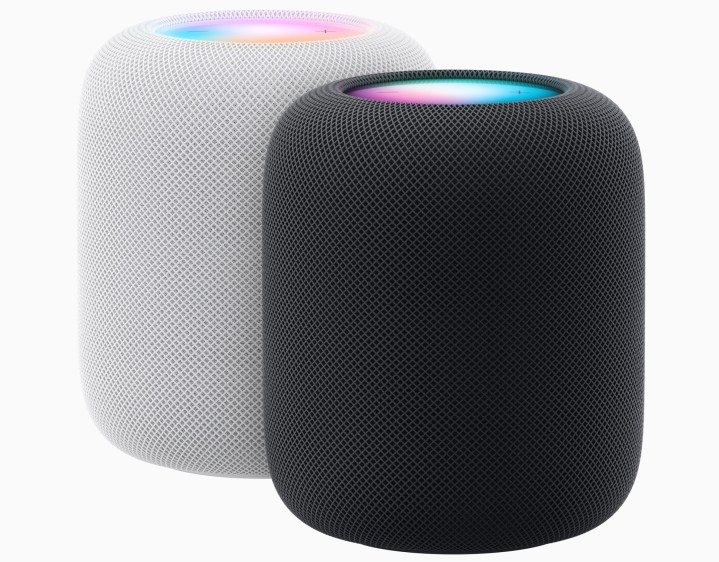
In many ways, the 2nd generation looks exactly like the original HomePod. Apple has maintained its distinctive rounded shape, fabric-wrapped exterior, and instantly recognizable top touch area, complete with a colorful feedback display. The dimensions are also similar, with the same 5.6-inch diameter but slightly shorter heights (6.6 and 6.8 inches). It’s also a bit lighter at 5.16 pounds instead of the first generation’s 5.5-pound weight.
Learn more about the new HomePod
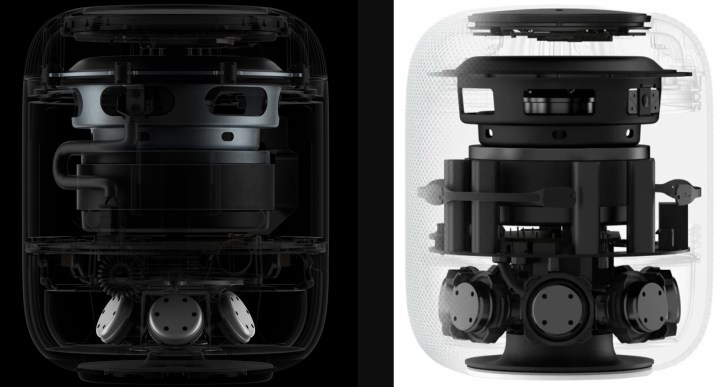
The general layout of the internal drivers also remains the same, with a large, high-excursion 4-inch woofer mounted centrally and an array of tweeters positioned around the smart speaker’s lower cavity. But now Apple only uses 5 tweeters instead of 7. And while each has its own neodymium magnet, Apple hasn’t indicated that each will get its own custom amplifier. Also, the number of microphones has been reduced. The new speaker only has four far-field units instead of his six mics in the original. These changes may help explain why the second generation has a lower starting price.
A new Apple-designed S7 chip replaces the previous A8, providing the computational audio that software and “system sensing technology” were the centerpiece of the first version. Spatial audio, which Apple has championed in his AirPods line of wireless headphones, is also available.

As before, the new version includes room-sensing technology, allowing the speakers to self-adjust to different scenarios such as proximity to walls and corners. You can also link to Apple TV 4K. If you use the latest version of Apple’s streaming device, HomePods can act as an audio system for all your TV content thanks to the Apple TV 4K’s HDMI-eARC interface.
With Apple AirPlay 2, you can send audio from any Apple device to HomePod and use the speakers as part of a multi-room audio system just like Sonos. In fact, AirPlay is still the only way to stream to HomePod. Despite having a Bluetooth 5.0 radio, Apple continues to severely limit his Bluetooth capabilities on the speaker. No non-Apple products can be connected to his HomePod using wireless technology, and the speaker remains strictly his Apple-only accessory.

Using Apple’s ultra-wideband (UWB) technology within your iPhone, you can perform a handoff from your iPhone to your HomePod, so you can track the music that’s currently playing across devices.
Apple says the new HomePod has some pretty advanced smart home skills. With a software update due in the spring, Apple claims it can actively listen for smoke and carbon monoxide alarms and send notifications directly to the user’s girlfriend’s iPhone if the sounds are identified. It also includes new temperature and humidity sensors, allowing HomePod to boost your existing thermostat. You can create automations to close the blinds or turn on the fans automatically when the room reaches a certain temperature.
Using Siri to control your music and smart home devices is a big part of the HomePod experience. Also, Apple says there’s a new confirmation tone that indicates when Siri has been requested to control an accessory that may exhibit invisible changes, such as a heater. , or for accessories in another room. Siri is also given the ability to recognize up to six different voices. This is what his original HomePod lacked.
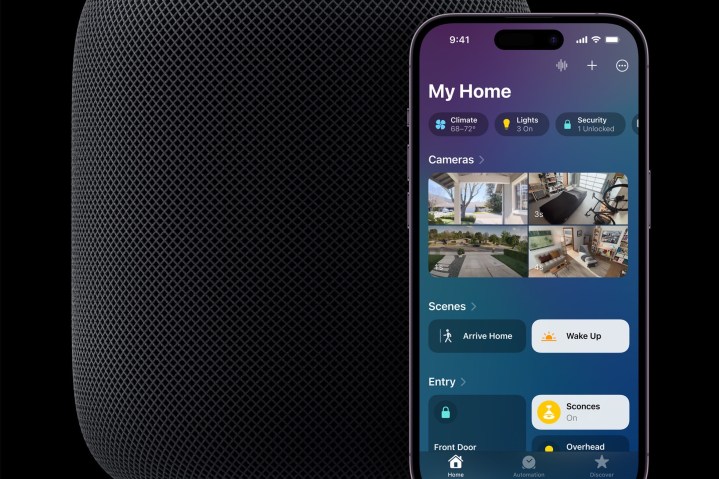
Smart speakers are also Matter-enabled hubs, allowing HomePod to connect and control other devices that use the growing smart home communication protocol. To take advantage of these improved smart home features, Apple also announced a redesign of his Home app for iOS. It has new categories for climate, lighting, and security, as well as new multi-camera views.
Curiously, Apple has removed some of the older devices from the new HomePod compatibility list. Gone are the iPhone 6 and 7 series models, and the original iPhone SE. iPad support no longer extends to devices older than the 5th generation iPad, 3rd generation iPad Air, and 5th generation iPad mini.

Editor’s pick
