










self-sufficient building The holy grail of sustainable urban planning. However, it takes a lot of things to combine to make it happen.smart power management system based on Internet of Things (IoT), reflective coatings to prevent overheating, insulation to maintain room temperature, and of course renewable energy technology. After focusing on special reflective pigments, solar roofs and even solar glass, this time the technology has taken a different path. A very thin solar film covering a concrete facade could increase significantly. building solar power outputIt is the result of an innovative project developed by a concrete manufacturer and a company specializing in the production of PV organic films.
According to its creators, the system, which incorporates a 1-millimeter membrane in a concrete panel, can double the power generation of traditional solar roofs. This is mainly due to the much larger surface available. In fact, a building with 60% of its surface covered with HeliaFilm, a known commercial product, can meet almost a third of its electricity demand.this new construction materialsis 95% lighter than traditional panels and can be applied to concrete surfaces without risking the structure.
In addition to these current hybrid options offered as modules for building construction, there is also the potential to retrofit older buildings with similar types of films to improve energy efficiency. Thanks to the translucent version of this organic film, it can be used not only on concrete, but also on steel and glass.
pilot test of this technology project Already successfully implemented in Lyon (Francs) on areas of 25 and 40 square meters, it will be expanded to 200 meters during 2019. A commercial product is also expected to launch this year.
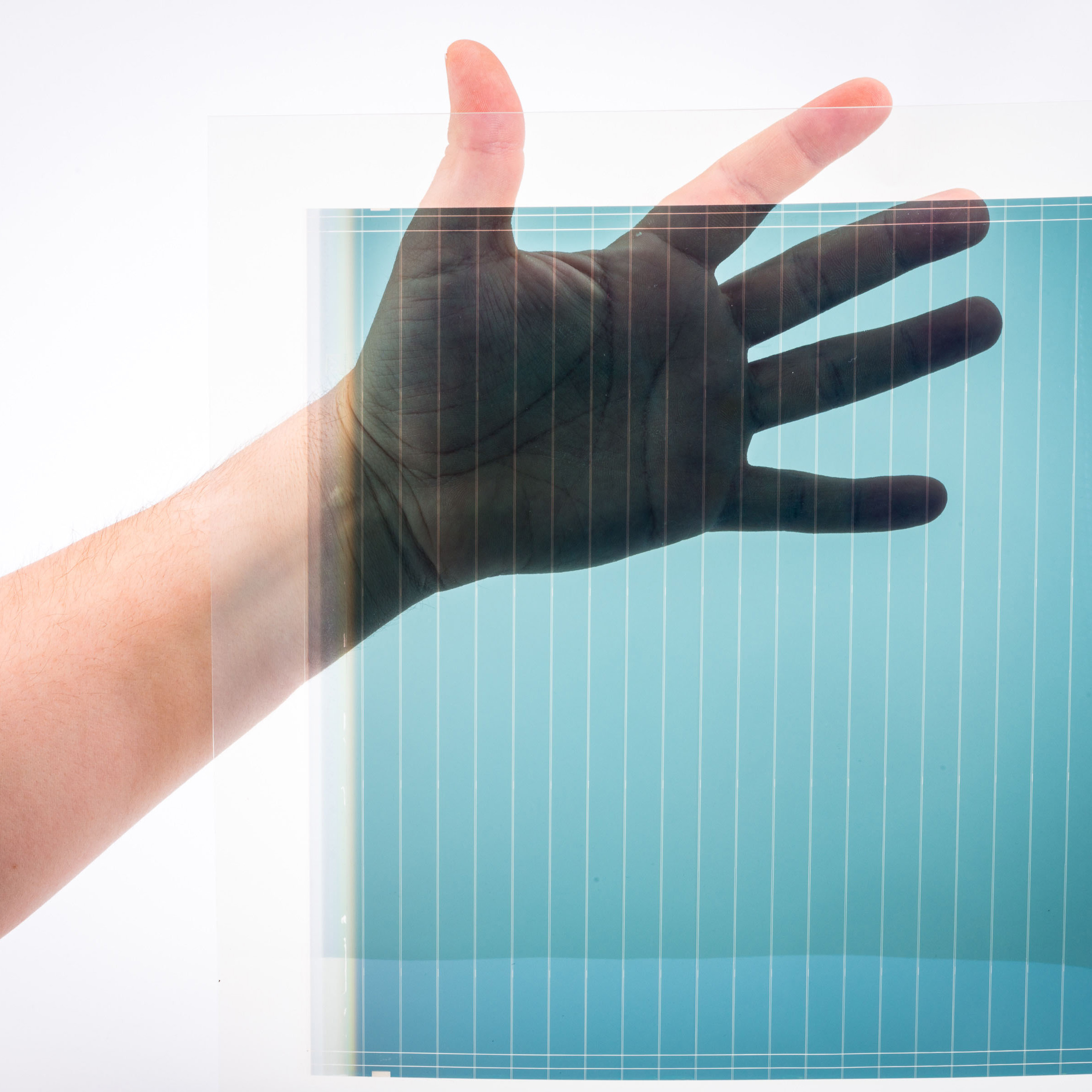
How does solar cell film work?
Heliatek, the German manufacturer behind this innovative technology has developed a polymer-based, organic film technology that can be produced in rolls at very low energy requirements and low temperatures for building facades. This has historically been a challenge in the production of solar panels. This material is very efficient, one gram can cover up to one square meter of film. The manufacturing process does not require toxic compounds or heavy metals. Finally, it is more durable than traditional PV panels.
Currently, the company has installed photovoltaic films on different types of buildings and surfaces in countries such as Germany, France, Singapore and Turkey.In the long term, this development Kind of technology Moving closer to a sustainable energy model.
sauce: Dejin, Heliatech
