











Biology may play an important role in future eco-friendly building materials. After all, materials such as concrete and cement still have a lot to learn. resilience of the organism.
Think of walls that can self-repair or harden like crustacean shells. This is the approach taken by a team of researchers at MIT in the United States. Bacteria to create innovative biomaterials – A modern example of ELM (Artificial Biomaterials).
This breakthrough is part of a tangible evolution in the development of new eco-friendly building materials, part new and part reinvented.
- mushroom mycelium
- Cobb (a mixture of plant fibers and clay)
- transparent tree
- hydrogel insulation
- vegetable polyurethane
- sunflower fiber panel
- bio plastic
- bio concrete
Among them, one destined for greater impact is new type of concretecarbon sequestration, or biological elements such as beets and carrots, or bacterial populations.
Bacteria turn silica into an eco-friendly building material
The key to new building materials is benign bacteria called Bacillus subtilisIt is a ubiquitous microorganism usually found in subsoil. One of its characteristics is reproduce by endospores It ceases activity during periods of drought. And that’s a trait that researchers at the University of Minnesota have tapped into.
Using genetic technology, scientists engineered these bacteria to form recycled materialSpecifically, they combined them with silica in a process known as biomineralization to create a translucent material. The material was then crushed and nutrients were added to activate the endospores. The result is a self-healing structure.

Further down the line, the team plans to study different types of bacteria to create self-healing coatings and plaster. These eco-friendly building materials are Superior durability and low carbon footprintIt may also have biomedical uses, not just in the construction sector.
carbon neutral biocement
Research at the University of Minnesota is still confined to labs, but there are companies already doing research. sell bacteria-based building materialsOne example is bioLITH tiles, a US start-up that uses a new type of biocement made from microorganisms.
This eco-friendly building material Calcium carbonate and bacteria in a process that takes 72 hours Done. The material is then mixed with granite powder. In comparison, a typical cement curing process takes almost a month.
Additionally, the process takes place at room temperature and does not require heat, thus avoiding greenhouse gas emissions.
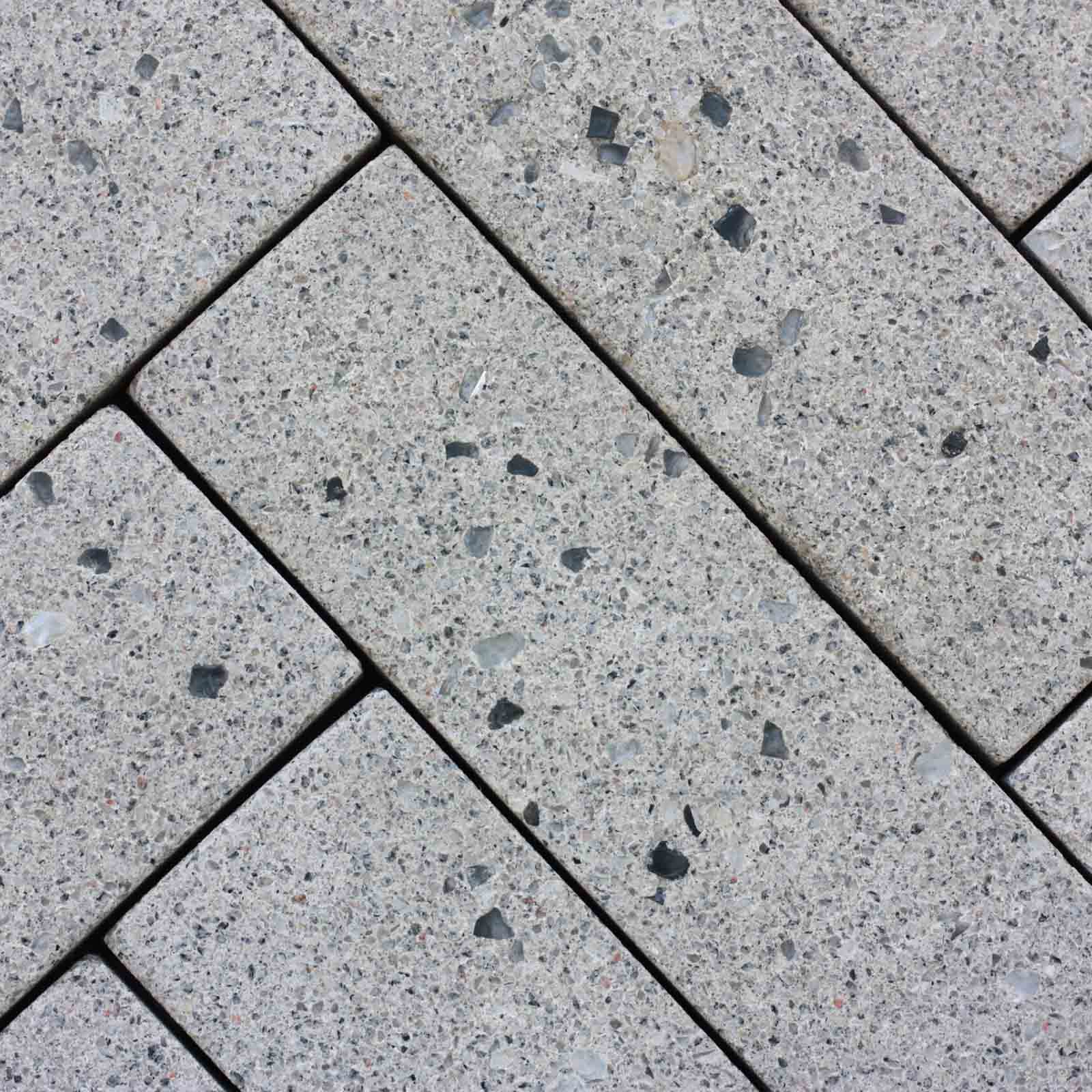
used by the manufacturer 85% recycled granite and 15% biocement To achieve what is touted as one of the lowest carbon footprints on the market.Its developer claims that CO2 emissions are 1 kilogram for every kilogram of biocement used.
One of the first demonstrations of this biomaterial is a contract signed with one of the world’s leading textile fashion chains to use these tiles in shopping centers. In addition, the producer signed a contract with one of Denmark’s largest cement producers to start large-scale production of tiles and other building materials.
Want to know more about? Potential of bacteria to tackle environmental problems? Check out our articles on ELMs like eco-friendly building materials and self-replicating bacterial concrete, and solar panels with live bacteria.
sauce
