











Rumors are gaining momentum – in theory, Apple is preparing mixed reality glasses that will give the technology a definitive boost. is limited to But we seem to be on the brink of a qualitative leap.
This article addresses the following issues:
Remember easily. Mixed reality differs from augmented reality in that, in addition to mixing real and virtual images, it offers the possibility of interacting with virtual elements. For example, in video games, characters can recognize our hand greetings. Alternatively, the virtual sculpture reacts to your hand movements when flipped or rotated.
What the Future Awaits: 5 Examples of Mixed Reality
HoloLens glasses have made great strides in enterprise applications, but they are still relatively bulky and have yet to become an everyday device.
However, new technologies will enable the emergence of mixed reality applications. Only time will tell what will remain hype and what will be accepted by the masses.
- huge screen. Imagine your glasses showing you a giant movie screen while you’re on a bus.thanks to direct retinal projection, as explained at the end of the article, transparent glasses can provide a cinematic experience closer to that of a traditional cinema. They’re not there yet, but the makers of GLOW glasses offer the ability to select movies with hand gestures – La Minority Report – projecting them directly onto the lens of the device.
- new generation of video gamesUnless you live under a rock, you’re probably familiar with Pokémon GO. The video game offers augmented reality features, but its developers wanted to go further. Therefore, the latest demo allows users to see the possibility of using their hands to interact with virtual creatures. Apple also seems to be interested in these applications.
- educationOne area that will benefit from mixed reality is education. A recent example is HoloMusic XP. This is a useful tool for students to learn to play the piano. Mixed reality and gamificationthrough virtual, augmented or mixed reality; Improve information retention, motivation and concentration expected, as recent studies show.
- Equipment repair in extreme environmentsIn environments such as space, it is not possible to move an entire team of engineers to maintain a complex device. So in 2020, NASA turned to mixed reality and one of his astronauts upgraded the Cold Atom Lab, a quantum lab aboard the International Space Station. On Earth, it is already used to control desalination plants, water purification plants and wind farms.
- Geospatial simulation. Project Anywhere XR is an effort to visualize complex maps in 3D. This includes everything from terrain formations to urban environments. In addition to mixed reality glasses, a key aspect is that all content is sourced from the cloud in real time.
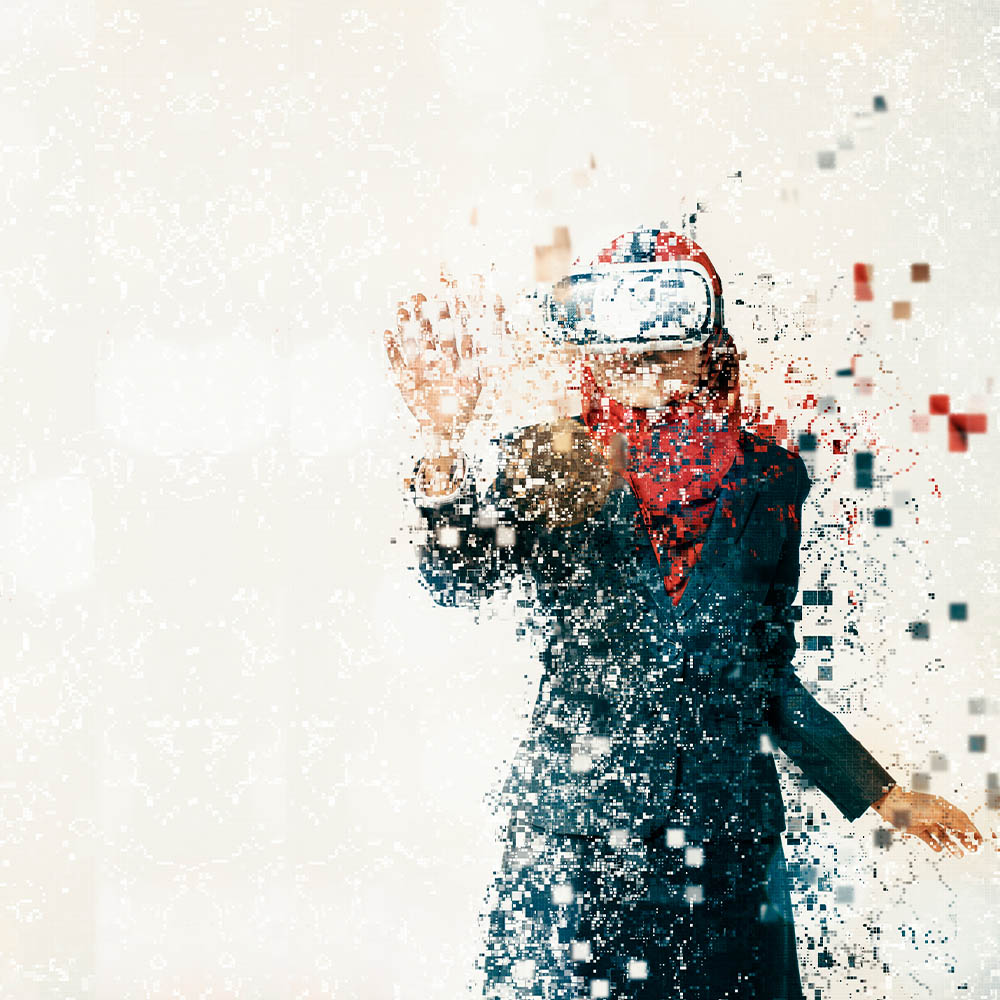
What do you need for the best mixed reality experience?
In addition to portability, a requirement as basic as two wheels on a bicycle, mixed reality needs to address some key issues. Failure to do any of these can compromise immersion and lead to undesirable effects such as dizziness and confusion.
- Minimum latency. Even the slightest mismatch between the controller instructions and the displayed image can detract from the experience. This is known as latency. For example, Apple’s new glasses are rumored to pair with phones using Wi-Fi 6E technology, which offers minimal latency.
- Advanced environment awareness. Integrating elements into a scene requires full awareness or mapping of the environment. To achieve this, a depth sensor, such as her LiDAR, which captures a laser-scanned image of the room and a three-dimensional image of him, apart from the camera, would be ideal. Finally, we need AI algorithms to process all this data.
- Ability to use the control interface. Unlike augmented reality, the mixed reality examples we’ve seen so far require some form of technology to interact with virtual objects. Cameras and depth sensors can identify a user’s hands, but mixed reality glasses will likely require additional controllers. An alternative is a motion-sensing ring like the one patented by Apple.
- Ability to integrate virtual objects. This is just one example of the challenges facing mixed reality. If you want to wear glasses with this technology for a long time, all elements should be integrated into the scene. Ultimately it means that their proportions and focus match the nearby physical objects. Also eye movements should be taken into account.
The latest breakthroughs in mixed and augmented reality technology
Of the four challenges mentioned, the last one is probably the most complex. Fortunately, technological innovations have already been developed that can provide a solution.As mentioned, the problem is not so much that virtual objects can appear more blurry as the distance increases.
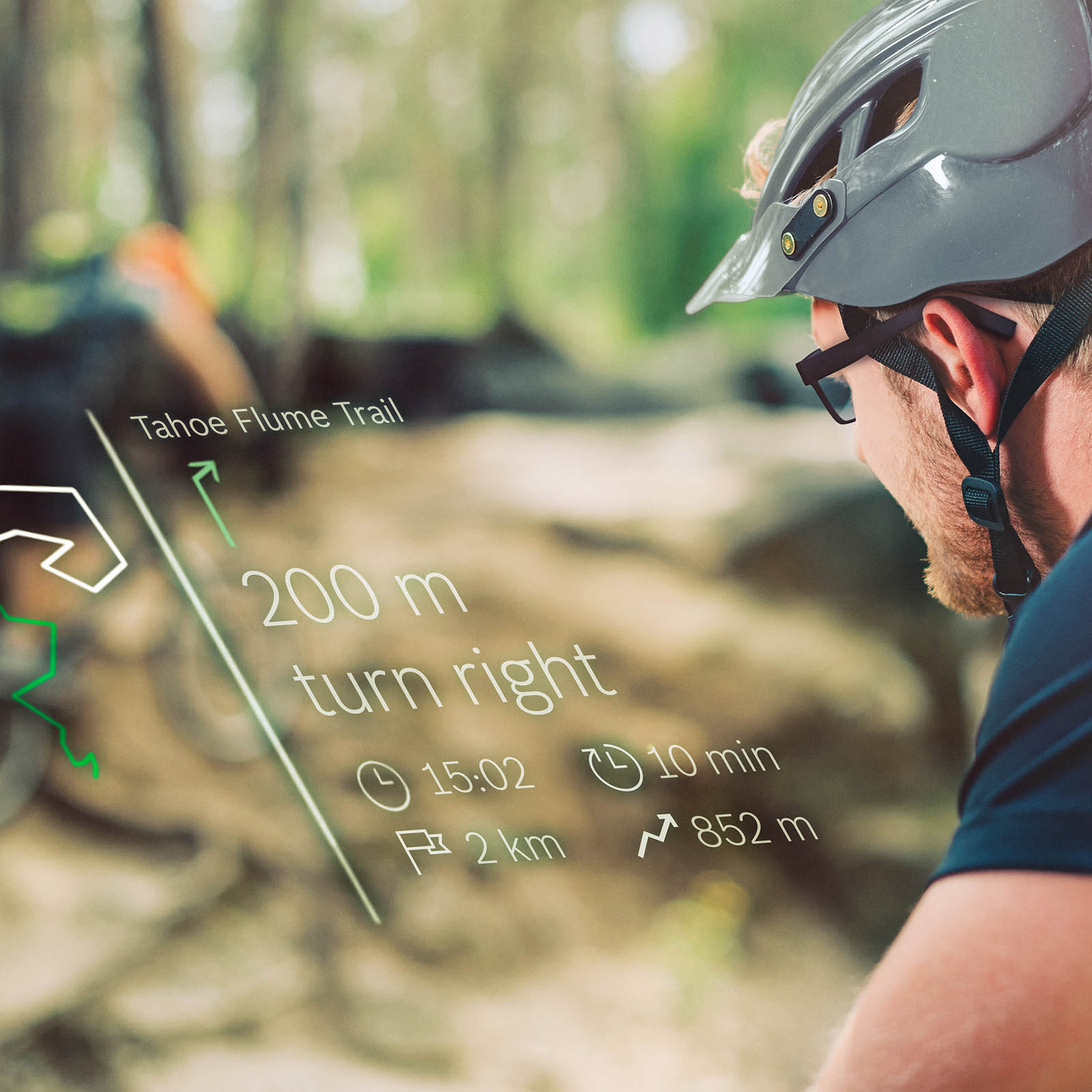
After all, when a room is mapped in 3D, it’s not difficult to assign properties according to the objects represented. No, the problem is that virtual objects behave logically like this: Retinal focus and eye movement.
Here comes one of the most fascinating technological breakthroughs of recent years. retinal projectionThe technology is still in its infancy and projects an image directly onto the retina instead of a screen. This allows seamless integration of images into the environment, a benefit for both mixed reality and augmented reality glasses.
In addition to Apple’s recent patents, several prototypes offer functionality in this sense. One of them is the Light Drive glasses that Bosch unveiled at the 2020 CES Technology Fair. This model, which is not yet on the market, projects an image onto the retina in the form of a laser beam.
Another technology likely to be used in mixed reality glasses is developed by the Swiss company CREAL. As you can see in this video, their device projects a hologram, called a light field, onto a lens.
In this case, 6,000 images per second are projected to each eye at different angles and depths to emulate the behavior of light. Therefore, the eye can change the focus of an object depending on which part of the scene it is looking at.
Regardless of the prevailing system, this type of glasses will most likely remain light and manageable, relying on the computing power of the device it’s paired with.eOne example of mixed reality in that sense is the Nreal glasses linked to Android phones.
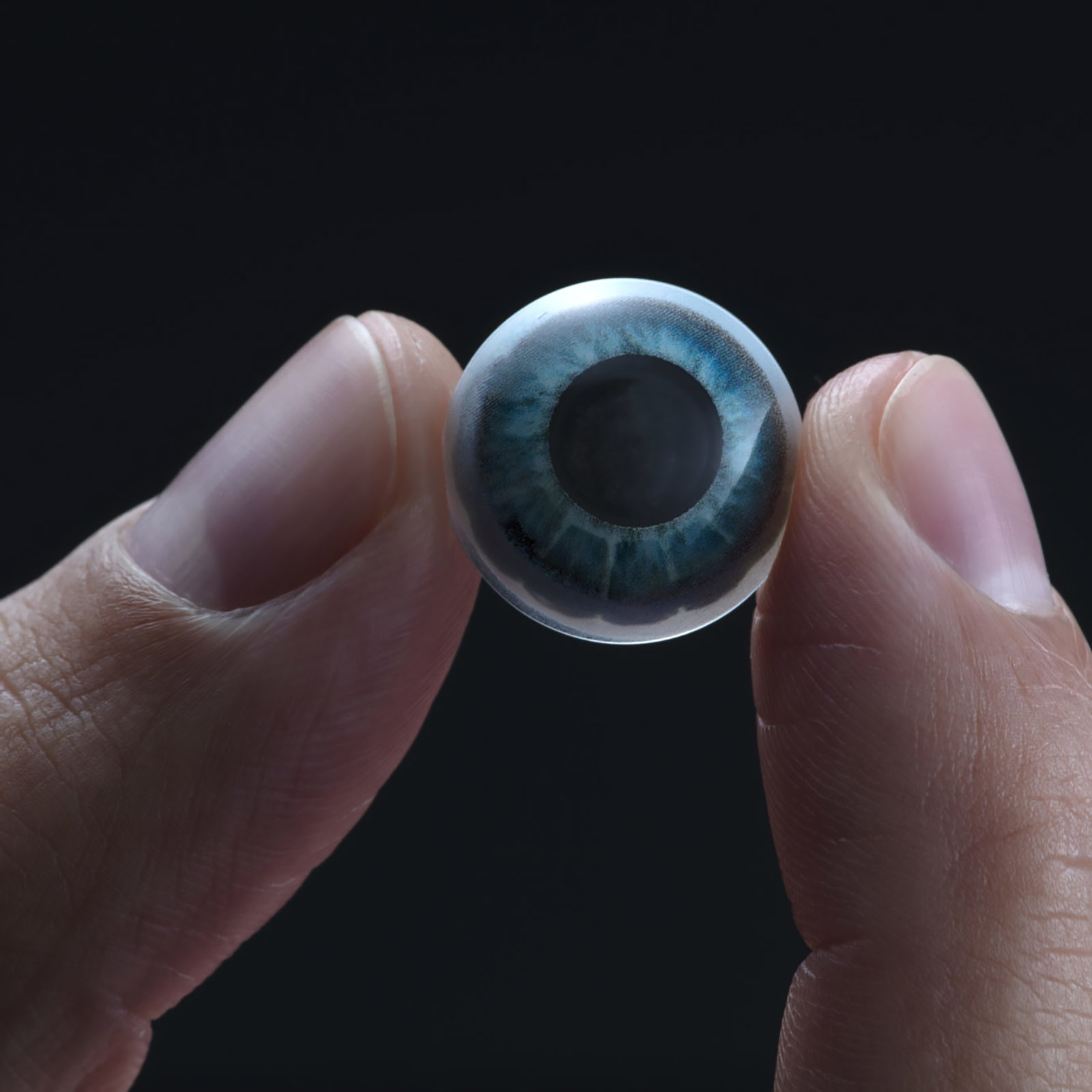
This approach results in longer battery life and 5G connectivity This is essential for mass adoption of these devices. However, it is only an intermediate stage. Ultimately, mixed reality glasses are expected to be replaced by smart contact lenses like the prototype unveiled at CES 2021.
sauce: forbes, BBC, E-E-CLOhttps://scitechdaily.com/how-astronauts-upgraded-a-complex-experiment-in-space-video/
